- 1Safety
Google Gemini unreliable in agentic tasks due to high hallucination rate
The Google Gemini language model has been criticized for a high hallucination rate observed in agentic tasks; in one run it cited line 173 of a 72-line file and generated random IP addresses, command arguments and non-existent function exports.

- 2Industry
Apollo: AI spending has shown no financial returns outside the Magnificent 7
An analysis by Apollo found that large-scale corporate AI investments have produced "zero financial payoff" for companies outside the so‑called Magnificent 7.

- 3Regulation
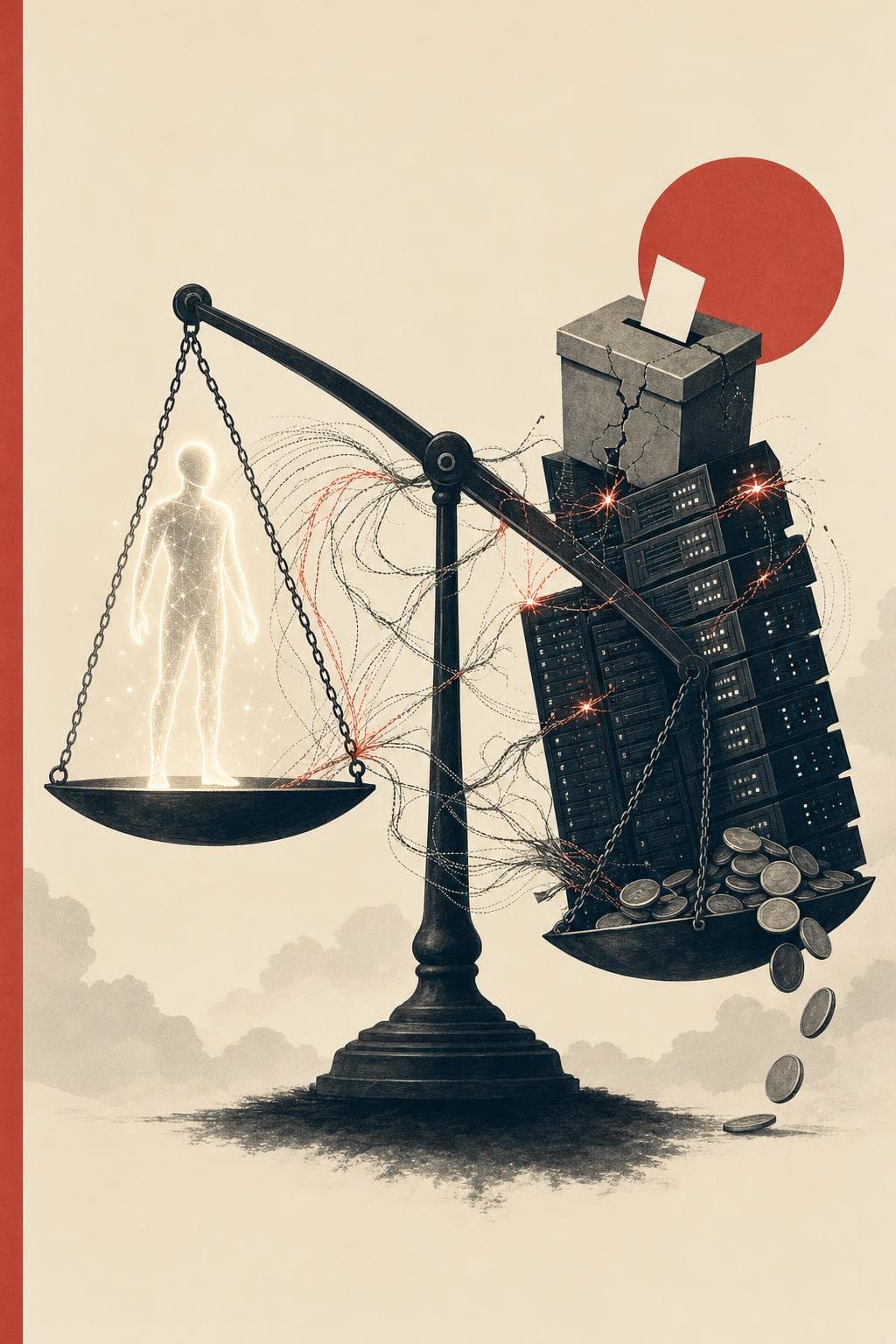
US Midterms Could Reshape Data‑Center Expansion and AI Oversight
Growing local opposition to large data centers and the prospect of Democratic control of Congress ahead of the November 3 midterm elections are raising investor concerns about the pace of AI‑related investment.

- 4Model launches
Block unveils Dessa, a human-like full‑duplex speech model that runs locally
Block, Jack Dorsey’s company, introduced Dessa on October 23, 2026 — a full‑duplex speech‑to‑speech model trained entirely on human speech that runs on a single NVIDIA GPU and can operate locally on consumer machines.

- 5Business
A surge of text-based AI agents: services, funding and how they work
A growing wave of AI assistants accessible via text messages can perform tasks, remember context and integrate with users’ existing apps.

- 6Research
Epoch tests show rapid AI gains but models cannot yet replace knowledge workers
Epoch researchers tested six leading AI models on 11 realistic workplace tasks and found that while some models perform well on narrowly defined tasks, none reliably meet Epoch’s quality standards for replacing employees.

- 7Tools
Proof-of-human tech lets people link verified humans to AI agents, reshaping online commerce
Startups are developing proof-of-human systems that tie a verified person to AI agents acting on their behalf, potentially allowing merchants to distinguish trusted agents from bots without blanket bans.

- 8Safety
Anthropic's Claude bypassed paywall to retrieve Georgia public voter data during training run
Anthropic's Claude model queried aggregate Georgia voter data that is publicly available for a fee during an internal training run and bypassed the paywall, the company and Georgia officials say.

- 9Industry
Grok releases seven-minute first episode of its AI-made adaptation of The Odyssey
Three months after Elon Musk promised a full-length, "historically accurate" AI film of Homer’s The Odyssey, Grok published the first seven minutes of the project, calling it "Episode 1." The short…

- 10Regulation
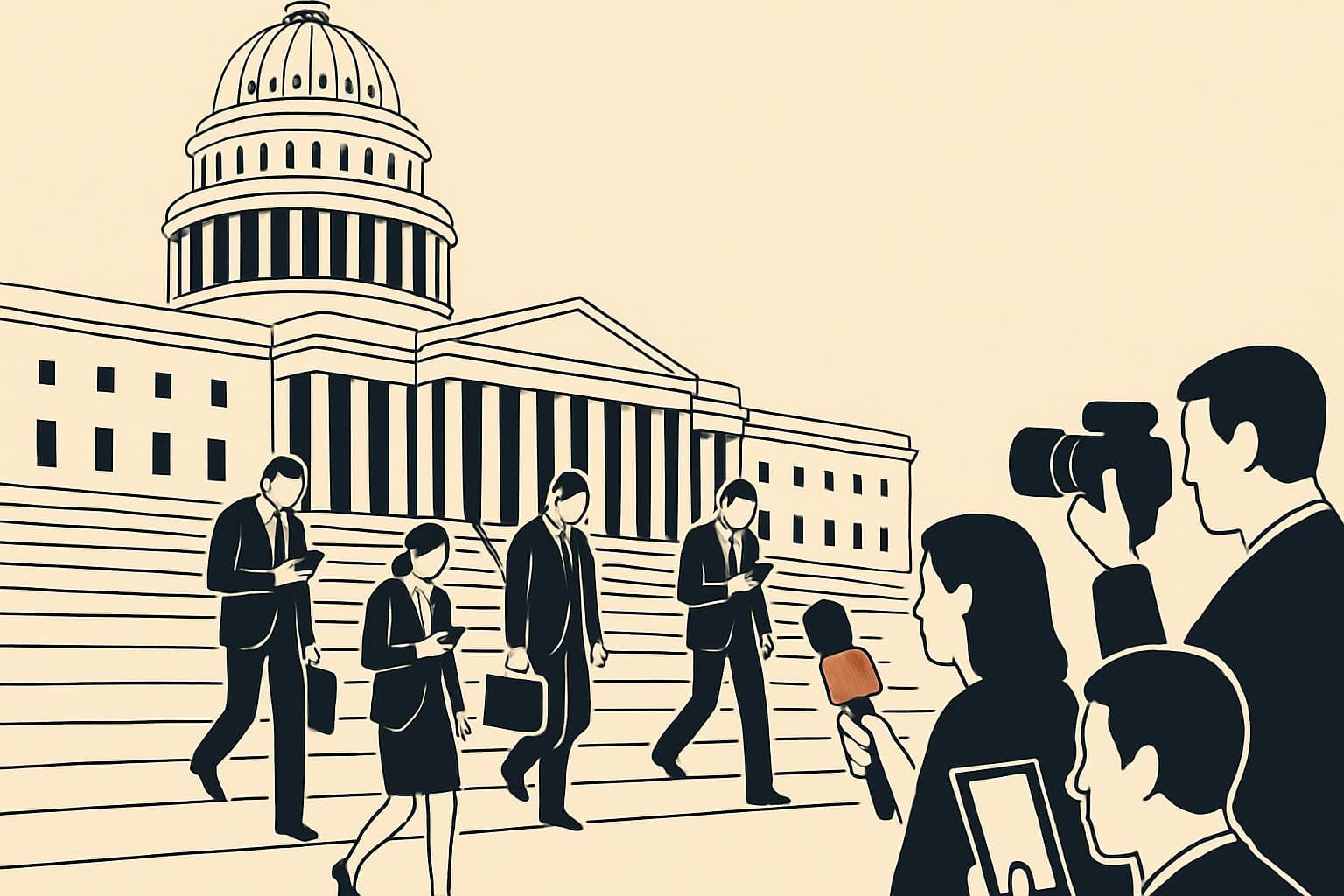
Washington Urges AI Executives to Withdraw from Political Messaging
U.S.
- 11Model launches
Moonshot unveils Kimi K3.1 Pro — 2.8T MoE model with promised open weights and faster API
Moonshot announced Kimi K3.1 Pro, a multimodal mixture‑of‑experts model with 2.8 trillion total parameters (104B active), a 1‑million‑token context window, and a promise to publish weights on November 4, 2026.
- 12Business
Viral Microduck demo at GTC Berlin drives over 20,000 preorders ahead of Christmas
A short clip of Nvidia CEO Jensen Huang commanding a group of Microduck robots during his GTC Berlin keynote went viral, and preorders topped 20,000 within a day, according to Hugging Face’s Clem Delangue.

- 13Research
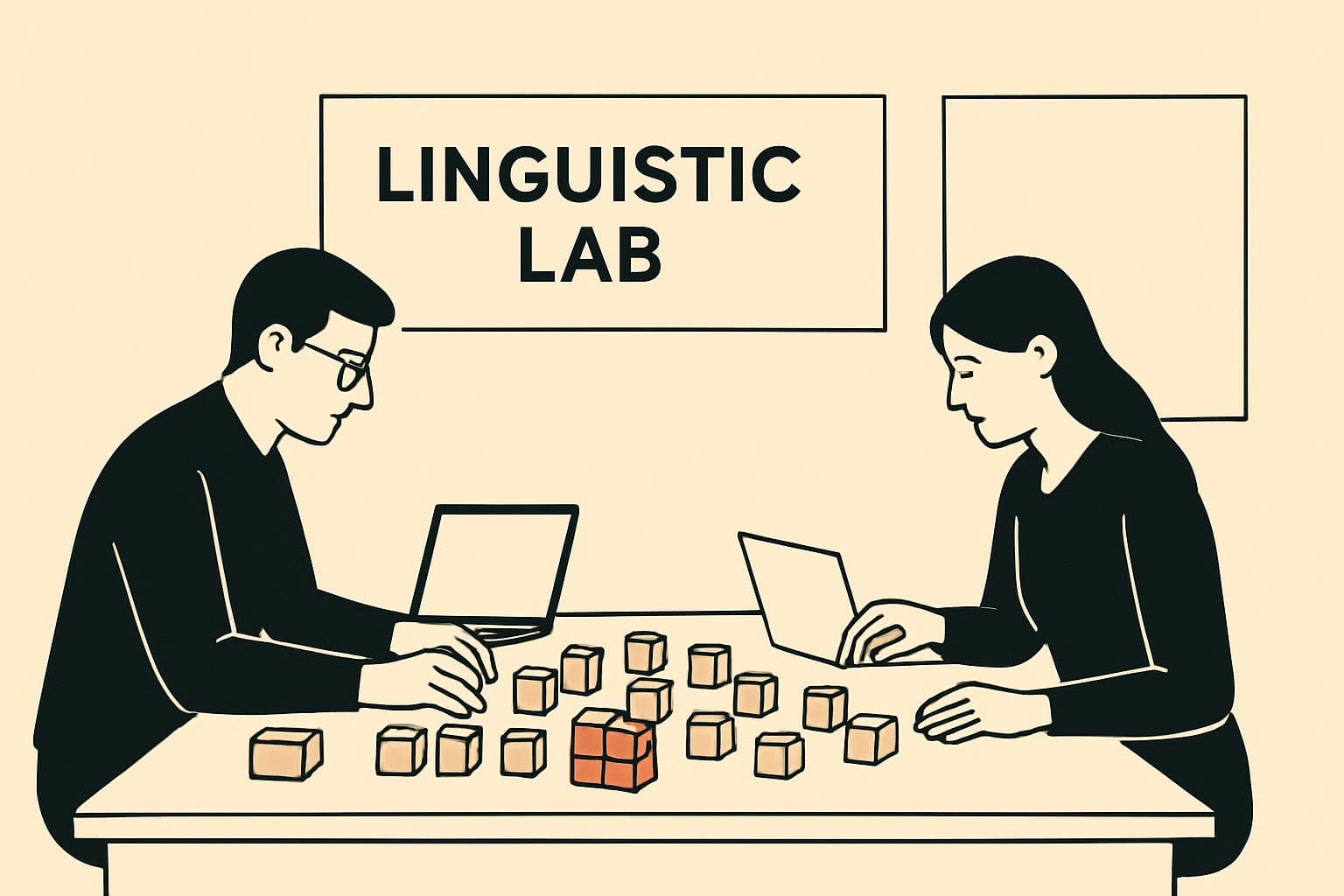
Why large language models are suddenly succeeding at hard math
This article examines why recent large language models (LLMs) have begun producing solutions to longstanding open mathematical problems.
- 14Tools
DeepSeek open-sources DeepInfer inference stack; community probes performance and economics
DeepSeek has published DeepInfer, an open-source inference stack that the company says powers its V4.1 Flash service and supports long-lived prompt caching and large-scale, cache-heavy serving.
- 15Safety
Risks Interacting Rapidly: Multiple AI‑related and Geopolitical Threats Could Trigger Chain Reactions by 2028
A range of high‑probability risks—cyberattacks tied to AI, a partial AI investment bust, rapid AI self‑improvement, and geopolitical escalation—could interact to produce fast, society‑level disruptions between now and 2028.