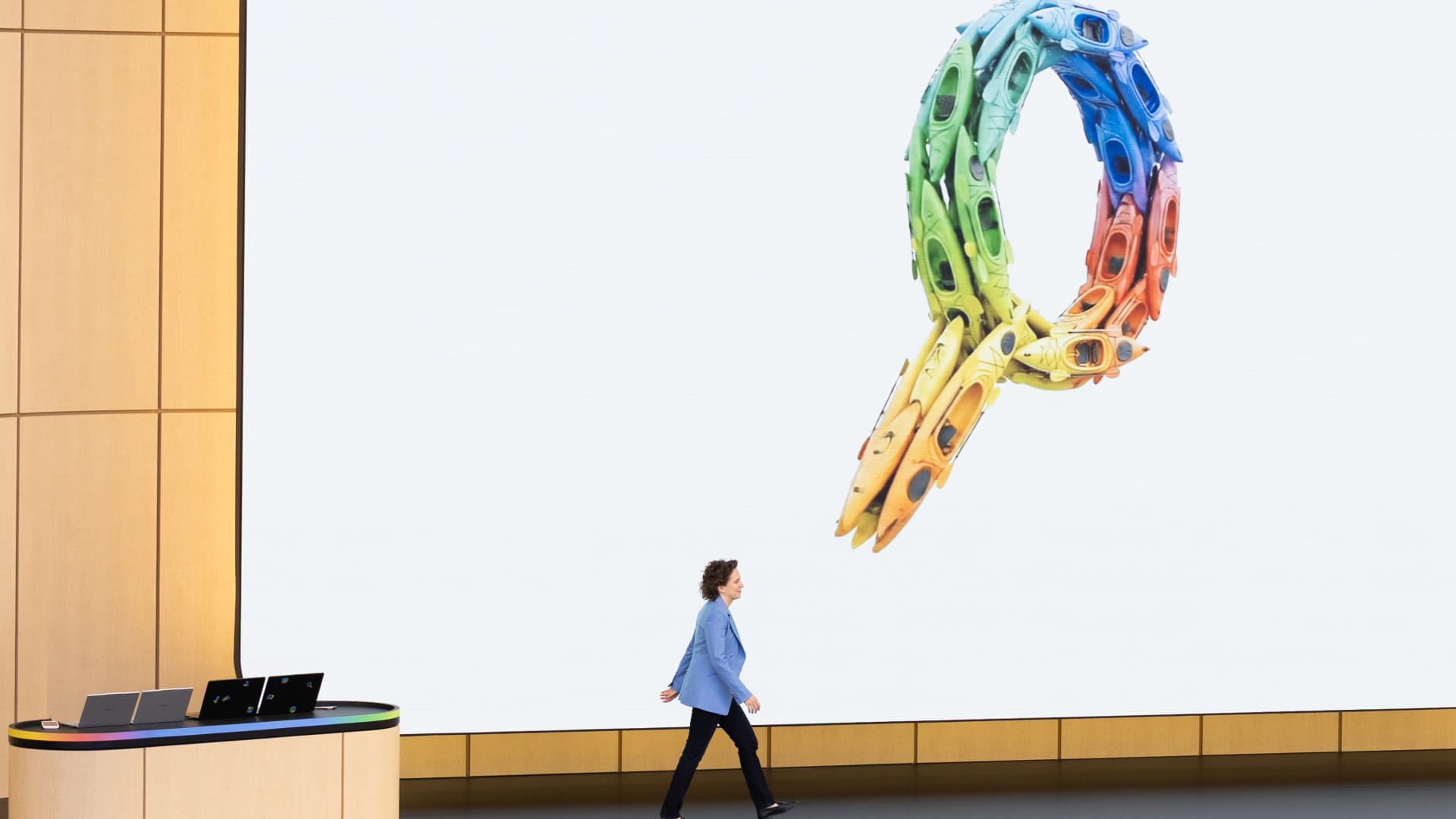
At the Google I/O conference in Mountain View, California, Google unveiled the largest update to Search in 25 years. The centerpiece of the overhaul is the company’s new AI model, Gemini 3.5 Flash, which Google says enables more complex searches, AI-driven agents and a more interactive user experience.
Multimodal, conversational search
The upgraded Search can query photos, videos, files and Chrome tabs simultaneously, not just text. It supports natural, conversational interaction: users can refine queries in multiple steps while the model asks follow-up questions to narrow results. In one Google demonstration, a user uploaded two images — one of a dress and one of an orange fabric — and asked the search to find a similar dress in that color for under $150; the system then refined the results by asking additional questions.
AI agents that monitor and notify
Google also introduced new AI agents that can continuously monitor the web and send notifications. According to the company, these agents can alert users when, for example, a sportsperson launches a new shoe collection or when a property meeting specified criteria appears on the market. Google frames this as a shift from Search providing answers to acting as an active digital assistant.
Gemini Spark: a personal AI linked to Gmail and Calendar
The company showed Gemini Spark, a personal AI agent that connects to Gmail, Google Calendar and other apps to perform tasks autonomously. Examples include checking subscriptions against credit card statements or monitoring school notifications and preparing daily summaries.
Financial context and usage figures
Google said AI is an increasingly important driver of its search business. In the first quarter, Google Search and advertising revenue rose 19 percent to $60.4 billion, while Alphabet’s total revenue reached $109.9 billion. Google also reported that the Gemini app now has 900 million monthly users, up from 400 million a year earlier.
Alphabet’s shares fell 1.7 percent on the day of the announcement, though the stock is up 23 percent year-to-date.
Why it matters
By adding multimodal search and persistent personal agents, Google is moving Search toward an always-on assistant model. These changes are a notable step in Google’s response to increased competition from AI services such as OpenAI’s ChatGPT. The ultimate impact will depend on user adoption, regulatory responses and market feedback.