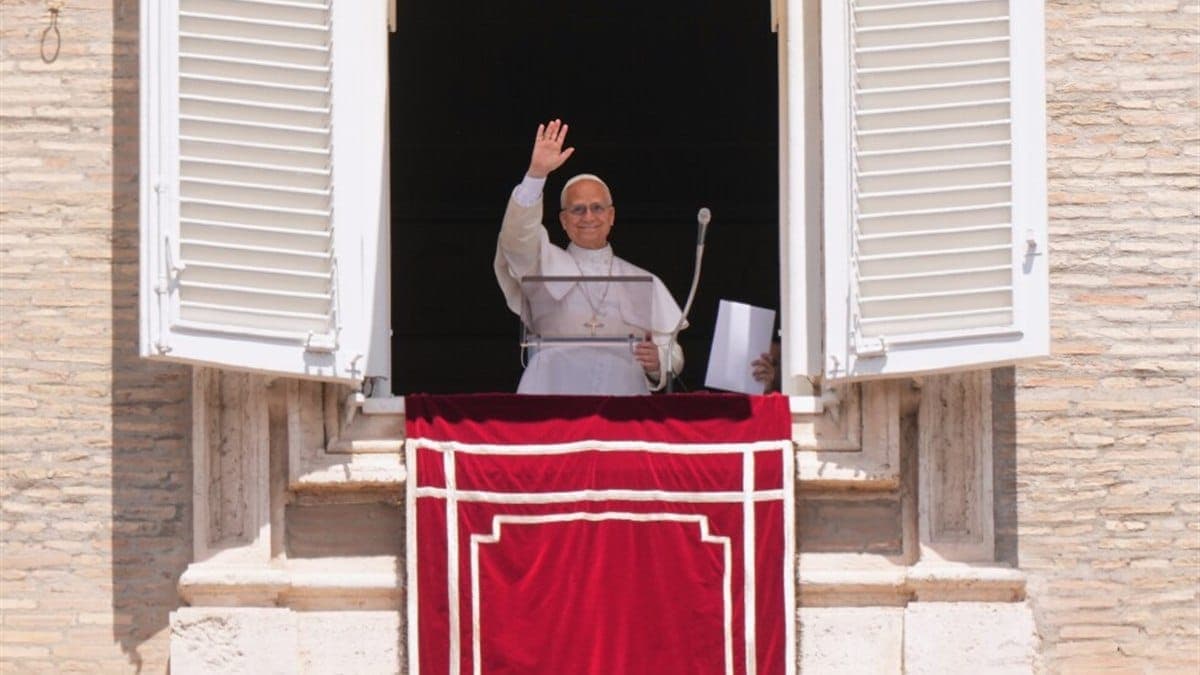
On May 25, Pope Leo XIV presented his first encyclical, Magnifica Humanitas, in the main auditorium of the Vatican. Christopher Olah, co-founder of Anthropic, sat on the lay panel during the launch. The pope had signed the encyclical on May 15, exactly 135 years after Pope Leo XIII signed Rerum Novarum, the document that articulated the Church's position on labor in the industrial era.
Two senior cardinals attended the event, the Vatican Secretary of State delivered the concluding remarks, and the pope gave his blessing. Observers described the rollout not merely as a press event but as a ceremonial presentation with significant symbolic weight.
Practical implications
By framing artificial intelligence as this century's Industrial Revolution, the Vatican has signaled it intends to claim a moral jurisdiction over questions raised by model-driven technologies—issues involving work, warfare, and human dignity.
The timing and optics are notable because Anthropic is currently in legal conflict with the U.S. government: the company is suing the Trump administration over a federal ban issued in February that restricted the military use of its technology after Anthropic refused to permit unrestricted military application. The source text also characterizes Anthropic as a roughly $380 billion company; in that context, the Vatican's visible association with Christopher Olah can be read as providing moral and geopolitical cover to the company.
Why this matters
The Vatican's intervention elevates the debate over AI ethics from a primarily technical or policy conversation to one with explicit political and religious dimensions. A high-prestige religious institution offering doctrinal guidance on AI grants moral weight to one side of an active regulatory and legal dispute.
The juxtaposition of a religious doctrine-making process and a visible corporate representative raises questions about the extent to which the Vatican intends to influence the ethical governance of emerging technologies and how that influence will interact with global regulatory and geopolitical dynamics.
Next steps and open questions
Watch for reactions from governments—especially the United States—as well as from technological and religious communities. Key outstanding questions include how much impact the Vatican's position will have on AI regulation and how Anthropic's legal challenge will proceed in the coming months.
The dates noted—the May 15 signing and the May 25 public presentation—and the explicit 135-year reference to Rerum Novarum indicate the Vatican is invoking historical precedent as it seeks to shape moral guidance for the new technological era.