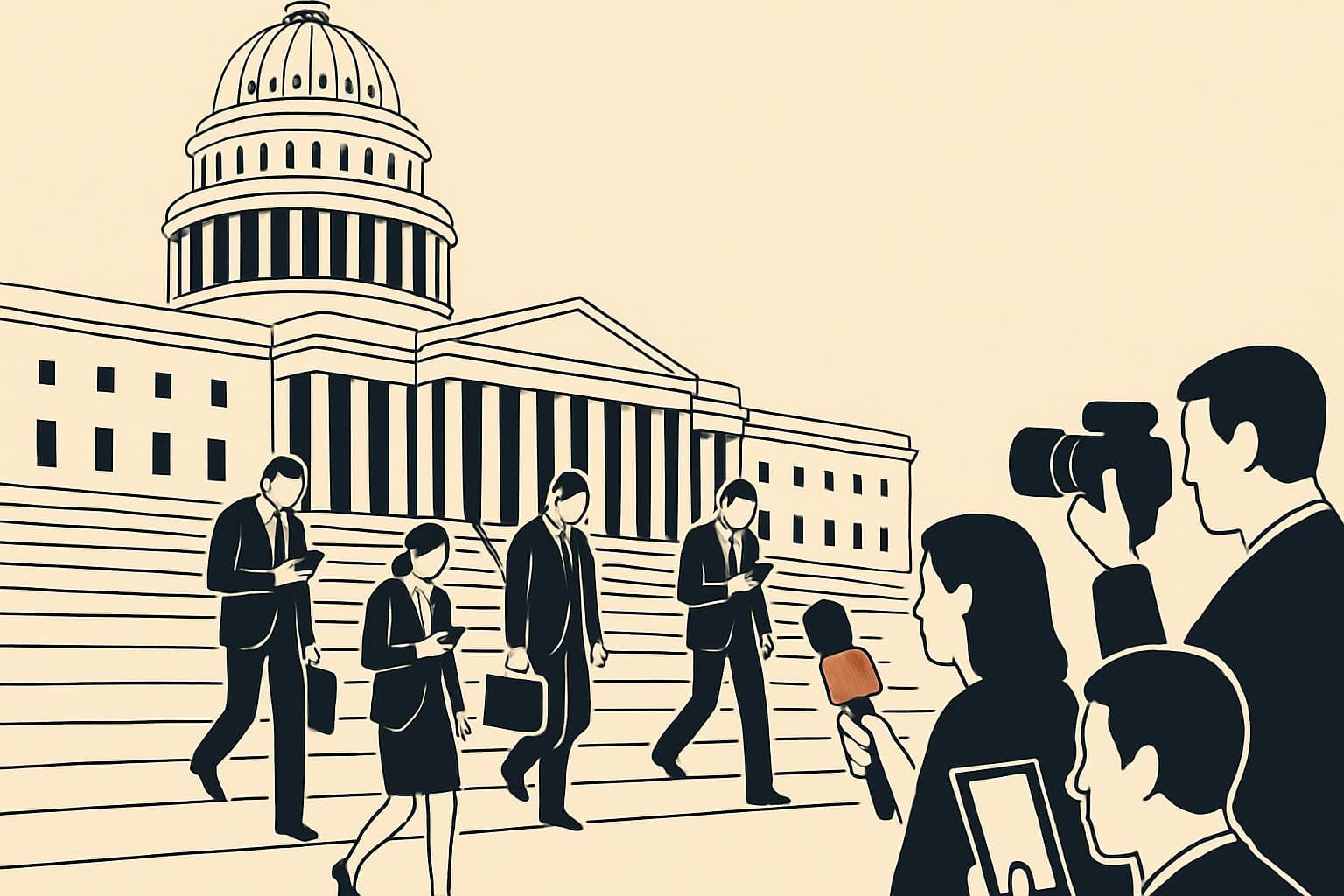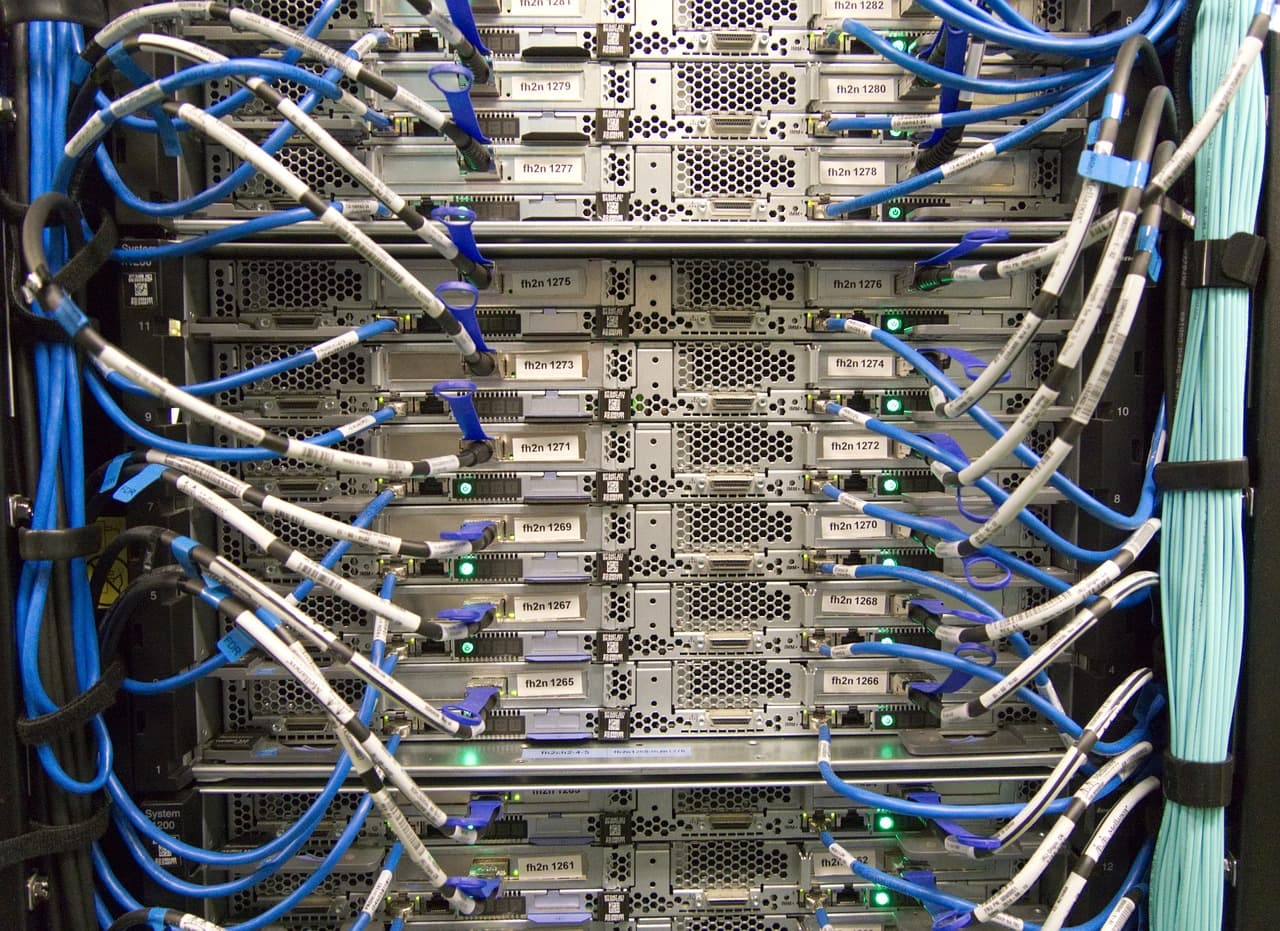
With the November 3 midterm elections approaching, investors and analysts are watching how electoral outcomes might affect the expansion of data centers and, by extension, the pace of artificial intelligence (AI) development. AI has been a major driver of the U.S. stock market’s multi‑year rally, and large companies such as Alphabet and Amazon are spending heavily on building data centers. Spending on data centers and other AI infrastructure is expected to exceed $1 trillion next year.
Local opposition and investor sensitivity
As large data centers have proliferated, public concerns have grown over their environmental impact, effects on energy prices, and broader technological implications. Christopher Gannatti, U.S. investment director at WisdomTree, said local resistance has become a tangible problem; he also noted that since the November 2022 launch of ChatGPT, one of the market’s key signals has been how much the largest tech companies invest in data centers.
Investors therefore react sharply to developments that could cast doubt on the sustainability of AI growth. Several parts of the AI sector have stalled in recent weeks, partly over worries about the indebtedness of cloud provider CoreWeave.
Congressional control and increased oversight
Analysts view the scenario most risky for the AI sector as one in which Democrats win control of both houses of Congress on November 3 — a result that prediction markets on Kalshi and Polymarket currently treat as the likeliest outcome. That said, analysts are skeptical that a nationwide law would be passed to substantially halt data‑center construction.
Instead, a Democratic‑led Congress would likely produce more hearings and investigations into AI and data‑center development, increasing regulatory scrutiny and market uncertainty. Brian Gardner, Washington political strategist for the investment bank Stifel, warned that such probes and hearings could surface unfavorable news and raise volatility for the sector.
Voter attitudes and partisan differences
An October Reuters/Ipsos poll found that 69 percent of registered Democratic voters support restricting data‑center construction, compared with 43 percent of Republican voters. Opposition to data centers is therefore stronger among Democrats, even though concerns exist across the political spectrum.
Matt Gertken, lead geopolitical strategist at BCA Research, argued that even with a full Democratic win it is unlikely a law would be enacted that seriously curbs investments; he expects any enacted measures to focus on AI regulation rather than dramatically halting construction. Former President Donald Trump, who has expressed support for AI development, would likely oppose any legislation that substantially restricted investments; this week he also suggested companies building data centers should pay a kind of "dividend" to local communities.
The importance of state and local races
State and local authorities hold substantial sway over permitting and siting decisions for data centers, so investors are paying close attention to local races as well as national ones. Several states, including Texas, are being watched for which party will control the governor’s office or state legislatures. Elections for seats that influence regulation of utilities and energy providers have also attracted investor interest.
Maxwell Shulman, a political analyst at Beacon Policy Advisors in Washington, said data centers have become a real political issue: depending on which party gains power at state and local levels, rules and restrictions affecting data centers could change materially.
Market implications
Political and local decisions that affect the future of data‑center investments could increase volatility in equity markets. While many analysts judge the chance of a nationwide law that would stop investments as low, enhanced political and community scrutiny and local restrictions could slow or raise the cost of projects, undermining the growth narrative for parts of the AI sector.
Overall, the outcome of the November 3 midterms and subsequent state and local political developments will be important determinants of how data‑center deployments and AI investments proceed in the United States.