A proprietary TD Cowen survey of 80 biopharma leaders and insiders finds that artificial intelligence (AI) is substantially compressing costs and timelines in preclinical drug development—by as much as 70% in some cases.
What the survey measured and why it matters
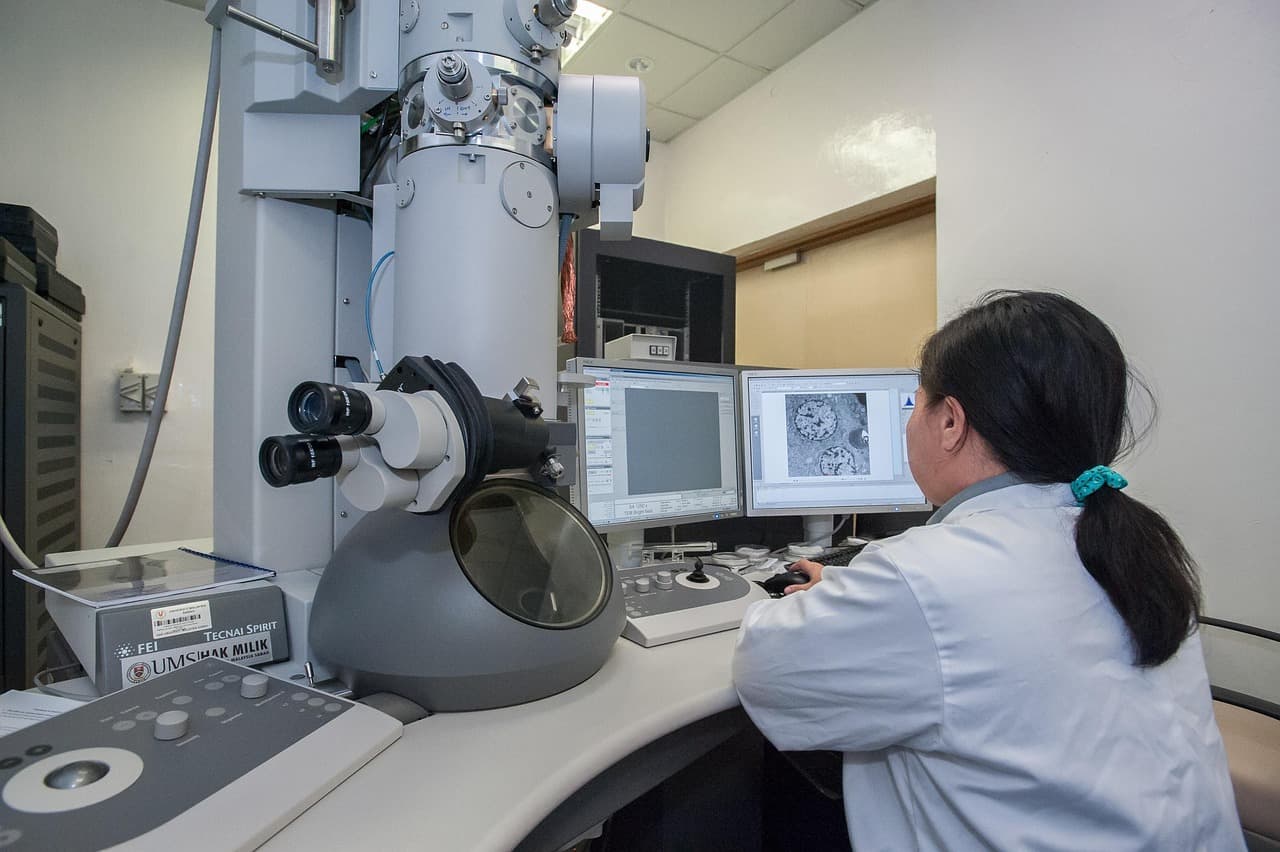
Respondents said AI tools such as computational models, in silico platforms and advanced sequencing technologies let scientists run thousands of virtual experiments in seconds. That capability increases the number of candidates tested and generates large datasets to further train AI models, which could improve the odds of clinical success.
Brendan Smith, director of life sciences equity research at TD Cowen, framed the advantage as creating “more shots on goal,” meaning more experimental treatments moving toward clinical trials.
Impact on labs and jobs
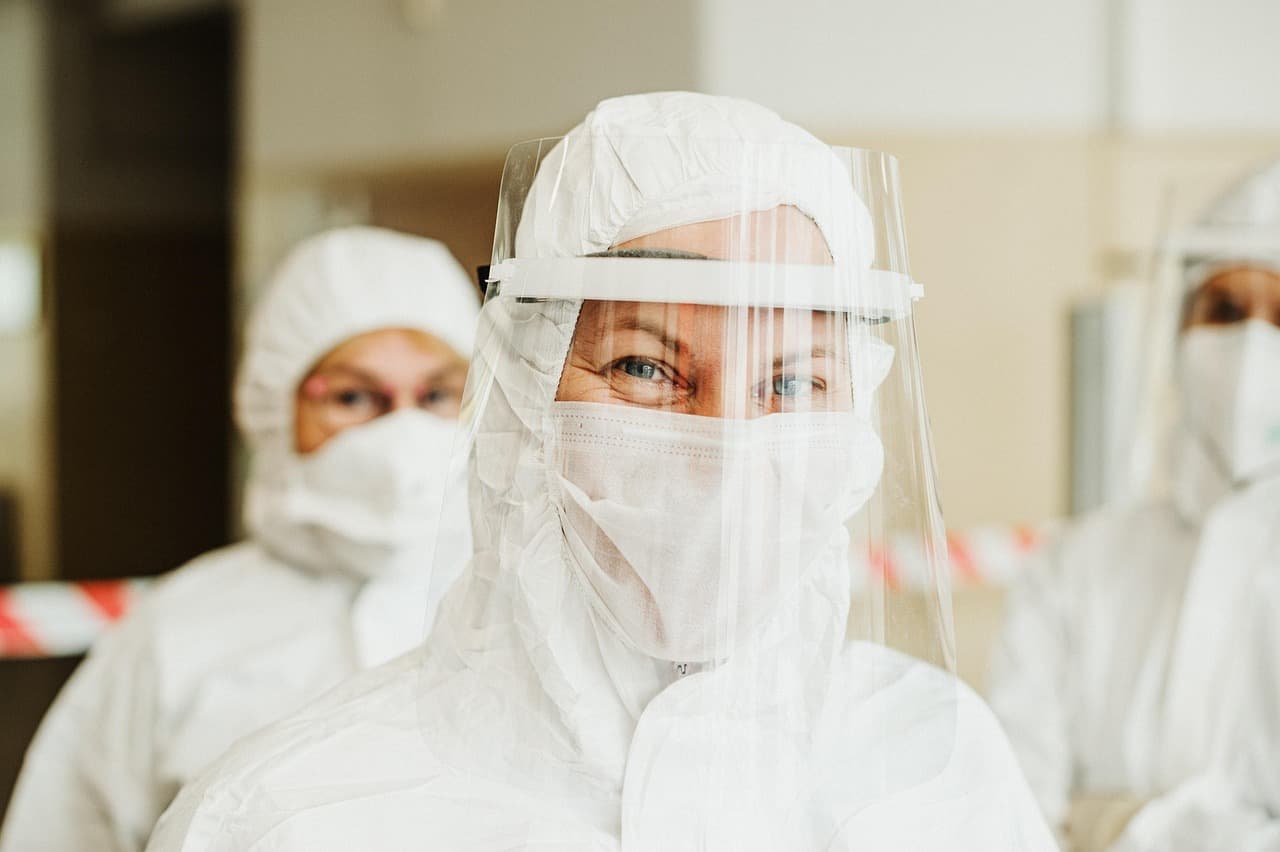
AI is not replacing scientific intuition or the need for wet-lab validation, but it is reshaping the preparatory R&D phase: computer-based analyses and simulations are becoming as central to drug design as traditional laboratory work. Wet labs will remain necessary to evaluate compound safety and efficacy, though some parts of the pharmaceutical workforce could be affected by the shift.
TD Cowen contrasts this continuous research-loop model with AI-driven disruption and job losses seen in other white‑collar sectors, while noting that some pharma segments may still experience displacement.
Policy context
The report notes that initiatives under the Trump administration to reduce animal testing in biomedical research are likely to push more work toward computational tools, 3D human tissue models and other alternatives that predict compound toxicity. At the same time, TD Cowen observes the administration is balancing a generally hands‑off regulatory stance on AI with increased oversight of safety and privacy issues.
Market effects and numbers
According to the proprietary survey data, new drug development programs could grow by more than 10% within three to five years. That surge in technology purchases and additional lab spending could amount to roughly $1 billion in incremental expenditures.
The survey expects the strongest upside through 2028 for advanced software that simulates biological processes, predicts drug‑drug interactions, or helps adjust dosages for populations such as newborns and pregnant women.
Companies are already investing in prediction and modeling tools—so‑called in silico platforms—that let researchers simulate toxicity or stability and run large numbers of virtual experiments quickly.
Limits and skepticism
TD Cowen emphasizes that AI has not yet discovered a drug that has received Food and Drug Administration (FDA) approval. Some investors question AI’s near‑term ability to deliver substantial patient benefits.
A central concern is that heavy engineering and optimization may not sufficiently account for human variability before compounds enter clinical trials. Without better consideration of those differences, skeptics warn, the drug failure rate in clinical testing could remain near 90%.
International competition
The survey also highlights China’s biotech buildup: lower labor costs and faster turnaround times there are attracting billions in investment and could challenge U.S. research efforts.
Conclusion
TD Cowen’s survey suggests AI-driven tools are accelerating and reducing the cost of preclinical drug development, prompting increased spending on simulation software, sequencing and laboratory capacity. However, the absence of an AI‑discovered, FDA‑approved drug and unresolved questions about human variability and regulatory policy mean substantial challenges remain.