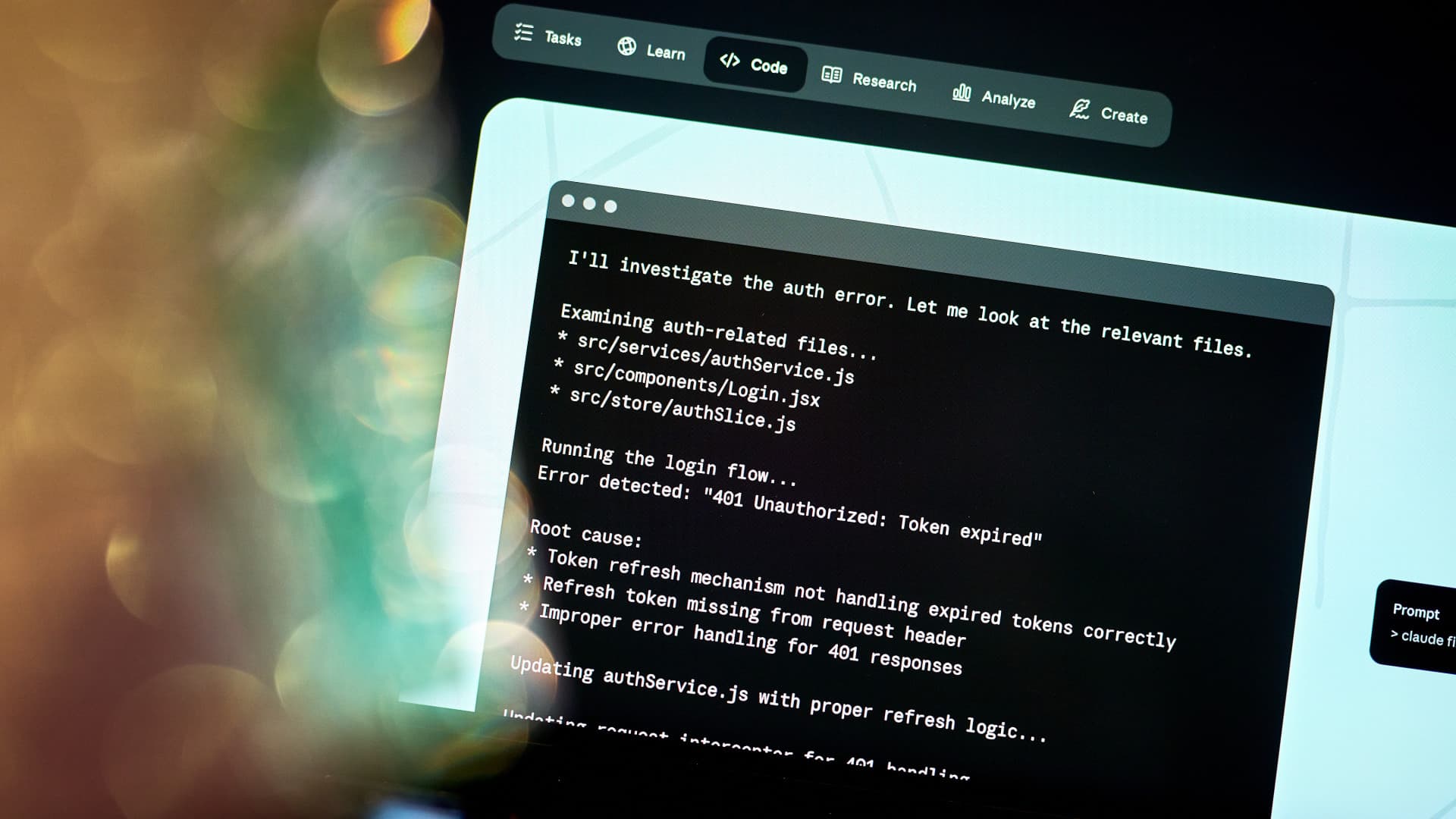
The next major technological leap for companies is not just collecting more data or producing more accurate forecasts. The real shift comes when artificial intelligence systems move from decision support to autonomously executing tasks, coordinating processes and directly creating business value.
Where agent-based operations could make a difference
The emergence of AI agents can open new opportunities across several areas of the energy sector:
- Trading: autonomous software agents could respond to price moves, adjust positions and manage risk without human intervention.
- Customer service: agents may automate consumer communications, deliver personalized offers and handle billing or service requests.
- Maintenance and predictive monitoring: agents can analyse plant and grid telemetry, predict failures and schedule interventions.
- Energy management and network processes: agents could optimise energy distribution, balance loads and coordinate microgrids.
- Corporate operations: procurement, logistics and internal workflows can be automated to reduce costs and improve efficiency.
These topics are highlighted at the Portfolio AI in Energy 2026 conference, where practitioners will discuss practical applications and business cases for agent technologies.
Speakers and key messages
At the conference, Kiss Gergely will discuss what new opportunities AI agents open for participants in the energy sector and how they can become active, value-creating tools in corporate operations. At the same time, Farkas Péter points out that agent-based operation will only deliver a true competitive advantage if accompanied by appropriate cybersecurity, access management and defensive frameworks.
Risks: security as a precondition
Autonomous AI systems introduce new risks. As Farkas Péter emphasizes, security is not an add-on but a prerequisite: without robust access control, authorization management and protection measures, agents can be vulnerable and their operation could pose systemic risks.
Why this matters now
In the 2026 technological and market context, the value of software and automation is increasing: fast, autonomous decision-making can provide a competitive edge in energy trading, network operations and customer relations. The challenge is whether market participants can integrate agent-based solutions in a secure and regulated manner.
Conclusion
AI agents have the potential to improve efficiency and responsiveness across the energy sector, from trading to operations. However, technological progress will only translate into sustainable business advantage if cybersecurity and authorization practices keep pace with automation.
Cover image for illustration. Cover image source: Getty Images.