A lesson learned over the past decade in artificial intelligence is now being felt in biology: human prior knowledge can impede progress. Computer scientist Richard Sutton wrote in 2019 that “the actual contents of minds are tremendously, irredeemably complex,” and the most successful AI advances came when humans stepped aside and more powerful computation took over.
The author spent much of a week in Boston meeting leading biotech thinkers while preparing a podcast series scheduled to air later this fall. Those conversations made clear that what we call science has already shifted and is poised to change further.
Pattern recognition and brute-force data approaches supplanting hypothesis-first work
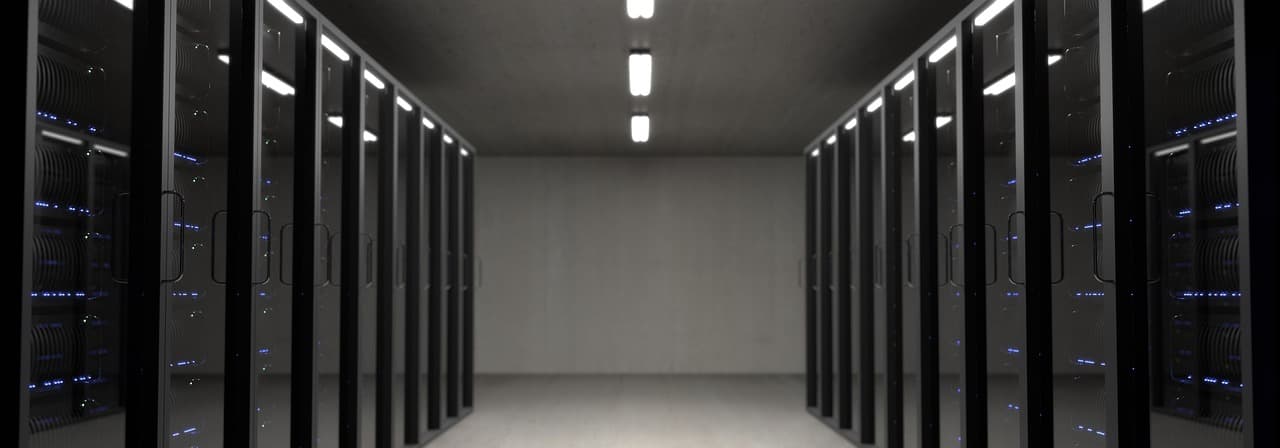
A new generation of drugs is emerging not from tidy, hypothesis-driven reasoning but from brute-force analysis of massive datasets. Future discoveries and therapies are likely to arise not from a humanlike understanding of biological systems but from large-scale pattern recognition applied to new biological measurements. The author likens the process to throwing an unfathomable amount of spaghetti against the biggest wall — computers and robots do the pressing, and significant signals emerge from the tangle.
Expanded measurements and automated labs
Nanotechnology and AI enable measurement of many more aspects of human biology, for example the thousands of proteins present in human blood. Improved computational methods find meaningful patterns in those data, increasing their practical value.
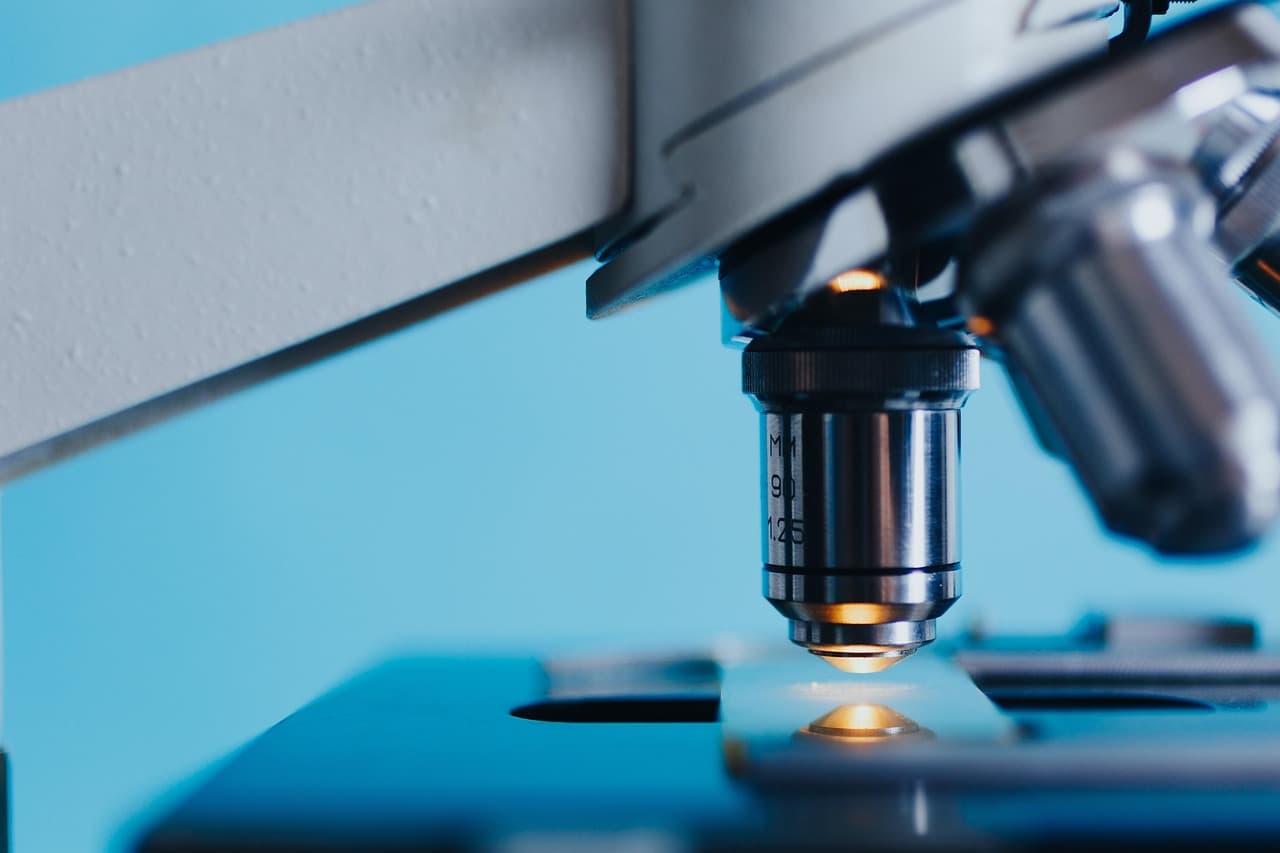
In coming years, humanoid robots with dexterous hands are expected to automate other parts of laboratory work, such as handling animals or slicing thin tissue sections. Labs running around the clock will make feasible experiments that are today too slow or too expensive.
Agentic systems and one-click research
Cloud labs combined with AI mean a chatbot could design a study and, with the press of a button, have it executed in reality. AI models will operate in agentic loops: they will run physical experiments in fully automated labs, analyze results, and propose new experiments based on the outcomes.
Sutton’s “bitter lesson” applies to biology because so much of the human body — not just the mind — remains beyond our understanding. The path forward will likely involve industrializing trial-and-error experimentation until breakthroughs arise.
Ethical and practical concerns
This forthcoming era will be strange and at times controversial: for example, how animal studies are conducted and regulated may become a major point of debate. At the same time, the approach could save many lives by accelerating the pace at which therapies and discoveries reach patients.
Industry examples
- Biohub, the Mark Zuckerberg–funded institute, unveiled in May an AI “world model of protein biology.”
- Nvidia announced last month BioNeMo, an agentic toolkit intended to accelerate scientific discovery.
The convergence of biology and AI is changing how experiments are planned, performed and interpreted. While the technological and ethical challenges are significant, the potential benefits — faster research, more therapeutic options and lives saved — are substantial.