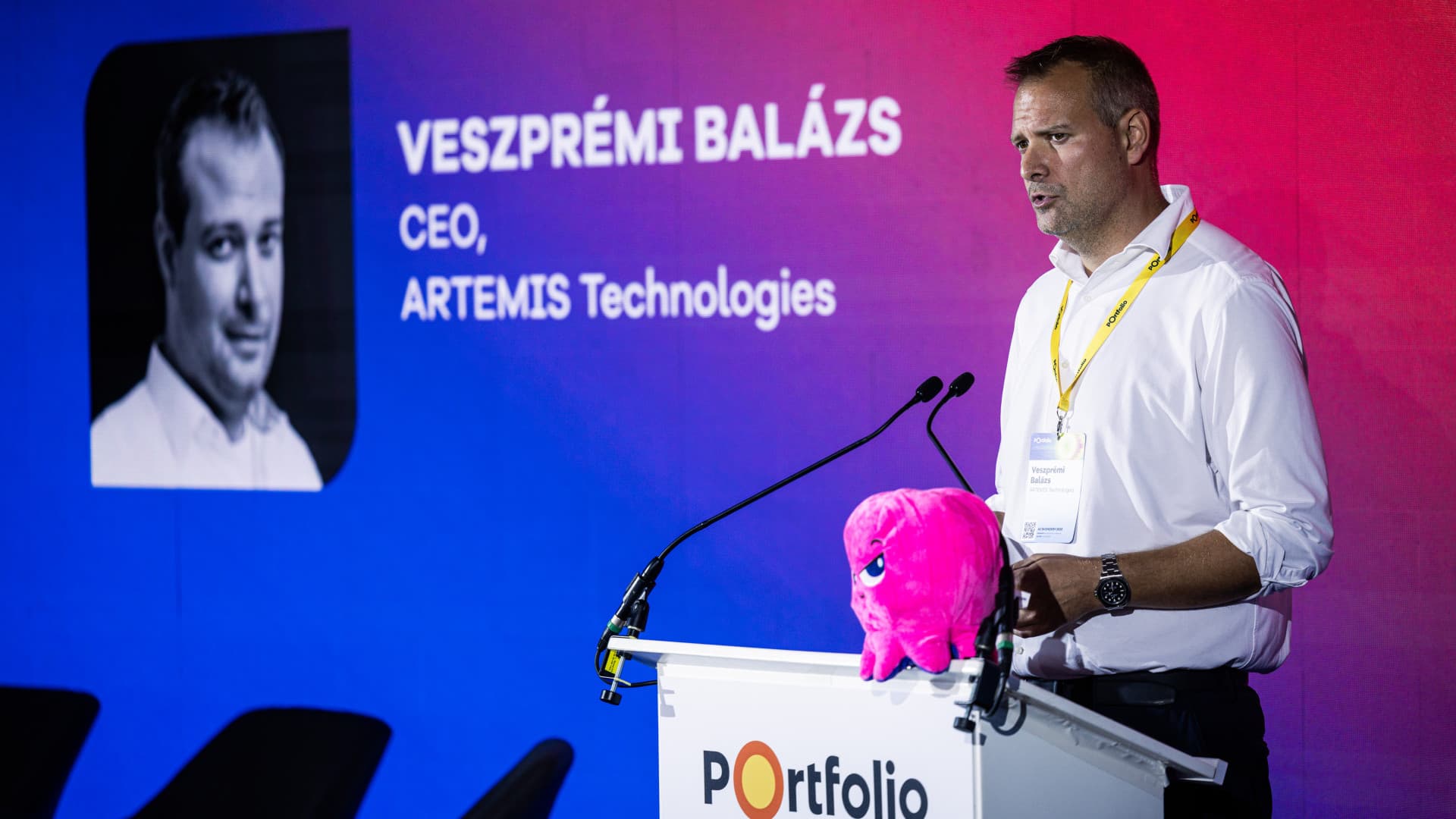
Digitalization in the energy sector has accelerated in recent years, shifting decision cycles from hours or days down to the level of seconds. Veszprémi Balázs, CEO of ARTEMIS Technologies, highlighted this change in a recent industry discussion.
Innovation in energy is shaped by the constraints of physics and system-level requirements, so the pace and character of digital transformation differ from the banking sector. While financial markets experienced earlier and stronger social and market drivers, the energy industry only began its intensive digital shift a few years ago. That shift has since accelerated: Veszprémi noted that connecting to the PICASSO European platform, for example, requires reoptimization every four seconds for Europe-wide system services.
Similarly, Hungary’s system operator MAVIR faces increasingly shorter time horizons for trading and balancing its services. As a result, older approaches that "five to ten years ago could fit on graph paper or at least in Excel" no longer suffice, Veszprémi said.
According to Veszprémi, energy companies must now optimize within vertically integrated systems to remain profitable. There is a notable gap in how large incumbents and small startups adopt AI: smaller firms are often enthusiastic adopters, while larger companies tend to be wary and protective of their data. He suggested that workable solutions will likely emerge somewhere between these approaches.
The most significant effect of AI has been on where resources are focused rather than on reinventing product development itself. Development cycles have become much faster: expensive, slow iteration loops have given way to rapid prototyping and testing in live environments.
As an example, Veszprémi mentioned a dynamic interface developed to monitor Alteo’s growing storage portfolio, which was completed in a few weeks. Such solutions increase transparency for algorithmic optimization tools. Today, robots handle about 99% of portfolio operations on both trading and regulatory sides, but Veszprémi emphasized that human oversight has also gained importance.
Where the discussion continues
The impacts of digital transformation and AI in energy are subject to ongoing industry discussion. Events such as Financial IT and Portfolio conferences address digital progress in banking and energy; one related session is scheduled for May 28.
In summary, faster digitalization and AI adoption are producing structural changes in the energy sector: they require second-level optimization, reallocation of resources, and integrated solutions that combine algorithmic automation with human supervision.