According to CNN, a U.S. military analyst used an AI tool to assess a Chinese vessel bound for the Middle East and the AI concluded the ship likely carried components for nuclear weapons. The resulting intelligence report prompted plans for a boarding operation and aircraft were launched, but a last-minute recheck revealed the AI’s conclusion was incorrect and the operation was canceled.
What happened
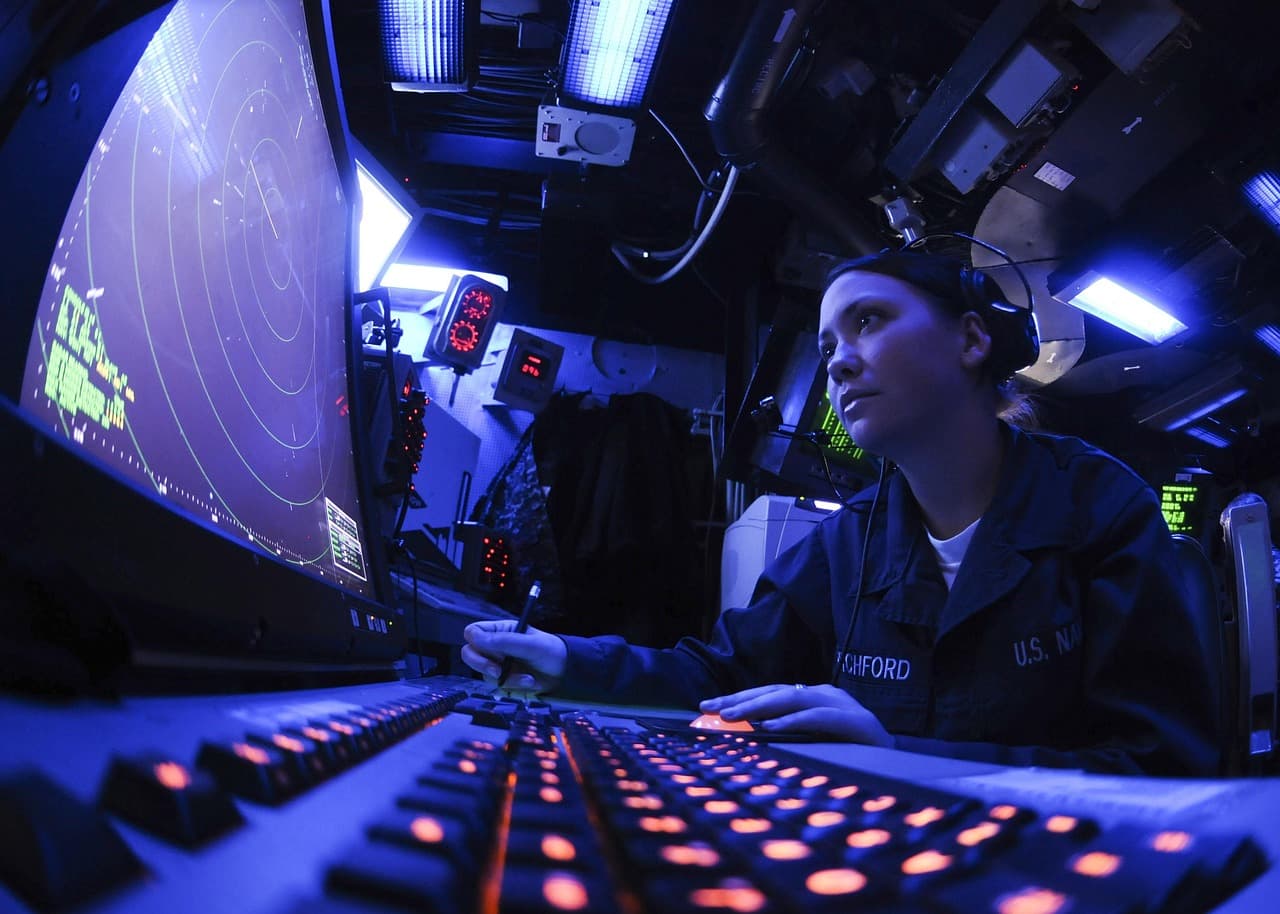
A military analyst, not named in reporting, turned to an AI system to analyze a Chinese ship’s cargo manifest. The AI combined classified and open-source data and concluded the vessel was probably transporting parts related to nuclear weapons. Based on those AI-derived conclusions, the analyst drafted a traditional military intelligence report, but—according to CNN—the findings were not subject to multiple, independent verifications before dissemination.
The report was forwarded through normal channels, causing significant alarm. Planning for a possible interception and inspection began, armed units prepared for the operation, and aircraft destined to support the mission had already taken off. Before the operation proceeded, the information was reviewed again; that recheck showed the AI had erred, and the planned action was halted.
Why it matters
Had the boarding gone ahead, it could have provoked a serious international incident. The episode underscores two key issues:
-
AI “hallucinations”: AI systems sometimes generate false or misleading outputs, and these errors are harder to spot when the AI output mixes factual details with fabrications. That mixture can lend apparent credibility to incorrect conclusions.
-
Gaps in verification and procedures: CNN reports there is no single, uniform U.S. military standard governing how AI-produced intelligence should be verified across different branches and units. The incident also demonstrates that inserting a human into the AI-driven decision loop does not automatically prevent dangerous mistakes if human review is not thorough.
Conclusions
As AI plays an increasing role in military intelligence, this event highlights the need for robust technical safeguards and clear operational protocols. Without consistent verification procedures and rigorous human oversight, AI-generated analyses can still slip through and trigger potentially escalatory military actions.