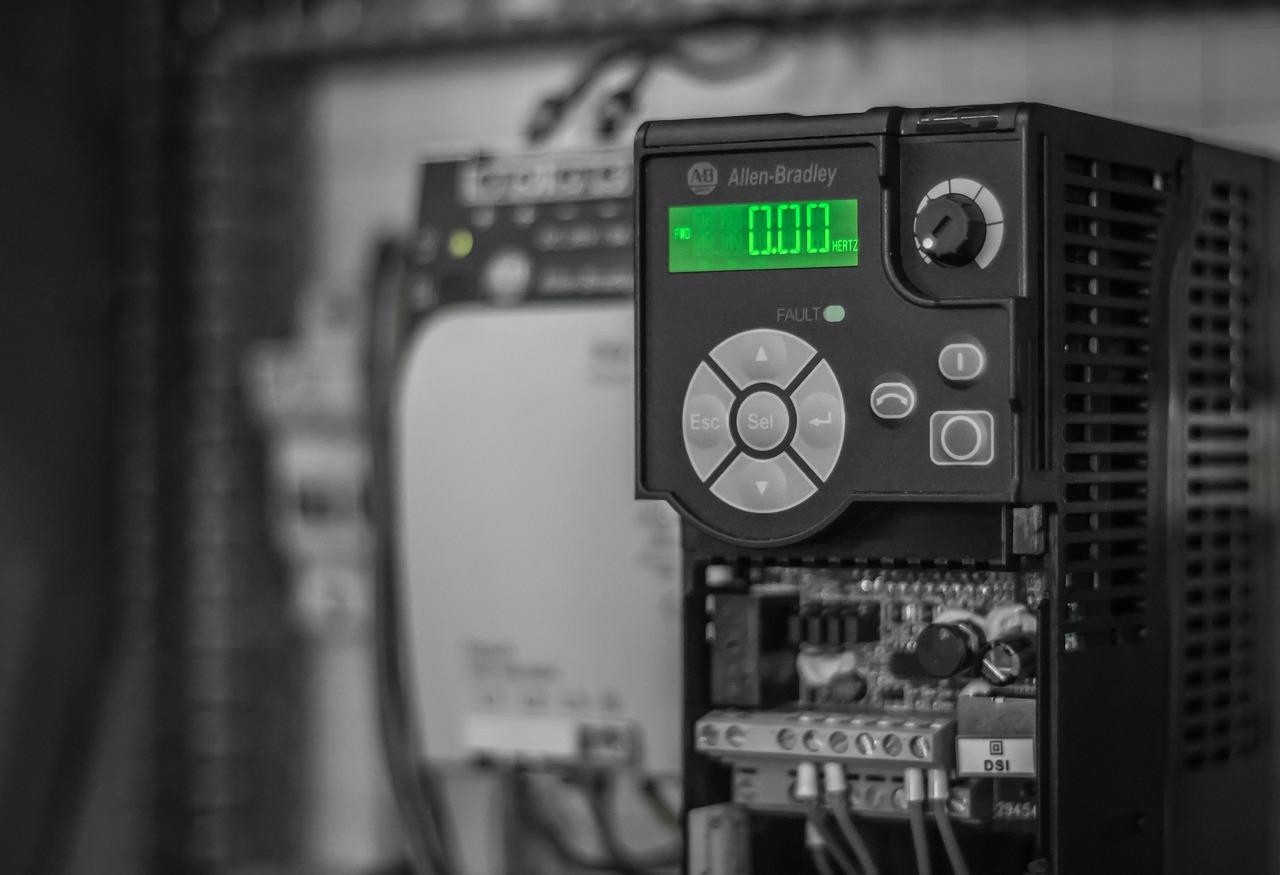
The Cybersecurity and Infrastructure Security Agency (CISA), the Federal Bureau of Investigation (FBI) and the National Security Agency (NSA) issued a joint warning that attackers are using artificial intelligence to target Siemens S7 programmable logic controllers (PLCs) in U.S. water and energy infrastructure. According to the advisory, adversaries employ AI-driven tools to generate exploit scripts, scan for outdated software versions, and identify internet-reachable vulnerable devices.
Where incidents were observed
The agencies named incidents or suspicious activity in Minnesota, Michigan, Arkansas, Georgia and New Jersey. The warning notes that Siemens S7 controllers are widely deployed across water and energy systems in the United States, making many operators potentially at risk.
Why these systems are easy targets
Siemens S7 controllers were designed in the early 2000s and many run legacy or unsupported software. Operators often keep these PLCs online to enable remote monitoring and control. CISA has been advising operators to disconnect such devices from the internet since the 2010s, but many systems remain connected.
Replacing or upgrading thousands of controllers — particularly in small or rural water systems — requires substantial investment that many operators have not budgeted for, which contributes to continued exposure.
What AI changes
The advisory emphasizes that AI has not introduced a new technical vulnerability; rather, it lowered the cost and required expertise for exploiting known weaknesses. With AI assistance, an attacker can understand device behavior in hours and automatically produce exploitation code without deep knowledge of industrial protocols. That reduces the time and skill barrier and enables scalable attacks against legacy equipment.
Practical implications
- The financial and time cost of launching attacks has fallen, which may increase the number of incidents using the same resources.
- The cost of defense — hardware replacement, network segmentation, patching and modernization — remains unchanged and can be substantial.
- Operators who did not allocate funds for replacing or isolating legacy controllers are particularly exposed.
Conclusion
The CISA–FBI–NSA advisory highlights how advances in AI can rapidly change the threat landscape by making long-known vulnerabilities cheap and accessible to exploit at scale. Addressing the risk requires both technical measures (disconnecting internet‑facing PLCs, updating or replacing legacy devices, improving network architecture) and funding or policy solutions to help operators implement those defenses.


