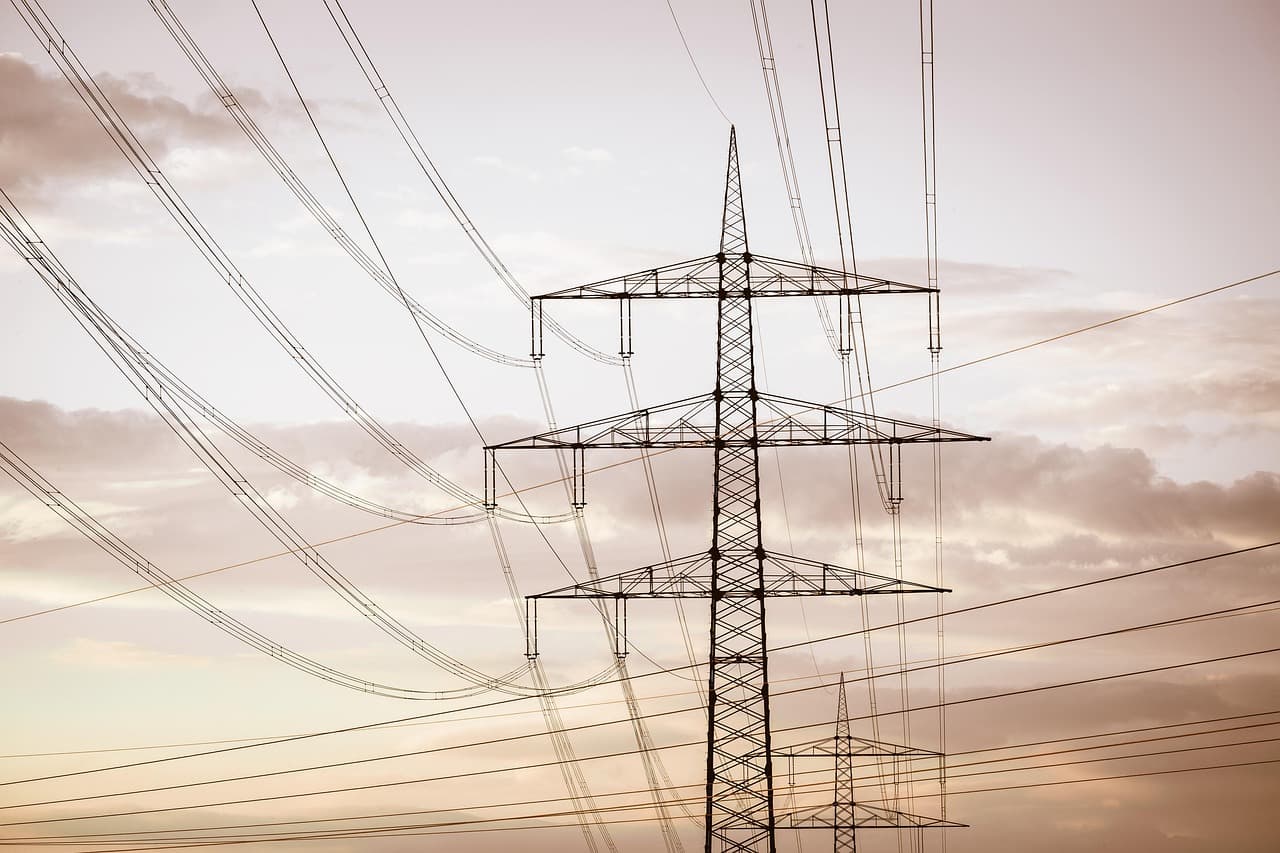
The rapid spread of artificial intelligence (AI) and the fast expansion of AI-focused data centres are materially affecting global electricity markets and the structure of compute services. According to a recent Boston Consulting Group (BCG) study and data from the International Energy Agency, AI data centres have increased electricity consumption by about 12% per year since 2017, and in 2024 they accounted for roughly 1.5% of global electricity consumption. Regionally in 2024: United States 45%, China 25%, Europe 15%.
Growth, concentration and industrial scale
Investment in data centre construction has more than doubled since 2022. AI-focused facilities today can consume as much electricity as traditionally energy-intensive industries (for example aluminium smelters). In the United States, nearly half of data-centre capacity is concentrated in five regional clusters. BCG projects that by the end of the decade data centres in the U.S. could consume more electricity than aluminium, steel, cement, chemicals and all other energy-intensive manufacturing combined.
AI compute as a tradable commodity: market transformation
BCG researchers Antti Belt and Allen Thomas conclude that not only could electricity provision for data centres be traded, but the AI compute services themselves could become exchange-traded commodities. The shift away from fixed subscription pricing has already begun: major AI labs such as Anthropic and OpenAI have moved to measurement-based pricing (Anthropic updated its API pricing in April 2026 to include a $20 base fee plus per-token charges). The next likely step is dynamic, demand-responsive token pricing.
Dynamic pricing would increase costs for end users during peak demand but could also drive a more transparent, liquid market with standardized benchmarks and futures-like contracts to manage price and operational risk.
Size and estimates
BCG estimates the AI compute market could grow from $360 billion in 2025 to about $2.3 trillion by 2030. As market liquidity increases, the study suggests up to $140 billion of annual "dark value" — efficiency and risk-management gains currently obscured by illiquid, opaque arrangements — could be unlocked.
Applied to a projected 2030 market of roughly $2.2–2.4 trillion, BCG estimates 66–97 billion dollars of annual arbitrage potential, split across three main components:
- AI chips (primarily GPUs): $12–17 billion of potential annual value capture;
- Rental of AI compute capacity (measured in GPU-hours): $22–34 billion of annual dark value;
- End-user tokens: $32–46 billion of annual potential value.
BCG also finds that a liquid market could lower financing costs for data-centre investment. Assuming $3.6 trillion of AI infrastructure investment from 2026–2030, a forward-looking market could generate $116 billion in aggregate savings (about $26 billion per year). If investments hit an upper-case estimate of $6 trillion, annual financing-cost reductions could exceed $40 billion.
Market frictions and constraints
The study highlights several structural and practical barriers to rapid market liquidity:
- Technical heterogeneity: compute availability and quality vary by time, hardware generation and supporting services (CPUs, network, storage); a H100 and H200 GPU are not equivalent;
- Lack of consensus benchmarks: early indices exist (for example the Ornn H100 Index and the Silicon Data H100 Rental Index), but methodologies differ and reported prices can diverge for the same GPU on the same day;
- Financing and business-model issues: lenders demand predictable cash flows and low operational risk, yet GPU rapid obsolescence and concentrated customer contracts raise risk premiums;
- Operational practices: many data-centre developers rely on long-term bilateral contracts, reducing incentives to standardize pricing publicly.
Practical limits also affect geographic arbitrage: transfer costs, latency requirements and timing constraints mean not all workloads can be economically moved between regions.
Risk management and adaptation steps
BCG recommends measures to help firms adapt to dynamic pricing and a more liquid market:
- Strategically schedule time-flexible workloads (batch tasks and non-urgent processing) to use low spot prices;
- Use futures markets and hedging instruments to manage price risk for time-sensitive workloads;
- Reassess capacity-reservation agreements so buyers understand their real costs and alternatives;
- Develop benchmark and reference prices to support fair market pricing and enable futures contracts.
Conclusion
The electricity appetite of AI-driven data centres and surging demand for AI compute are set to change how energy and compute services are traded. BCG projects the AI compute market to reach the trillions by 2030 and outlines substantial potential efficiency and financing gains if markets become more liquid and transparent. However, technical diversity, benchmark fragmentation, financing risks and current commercial practices are significant hurdles that will need to be addressed before AI compute capacity can function broadly as an exchange-traded commodity.