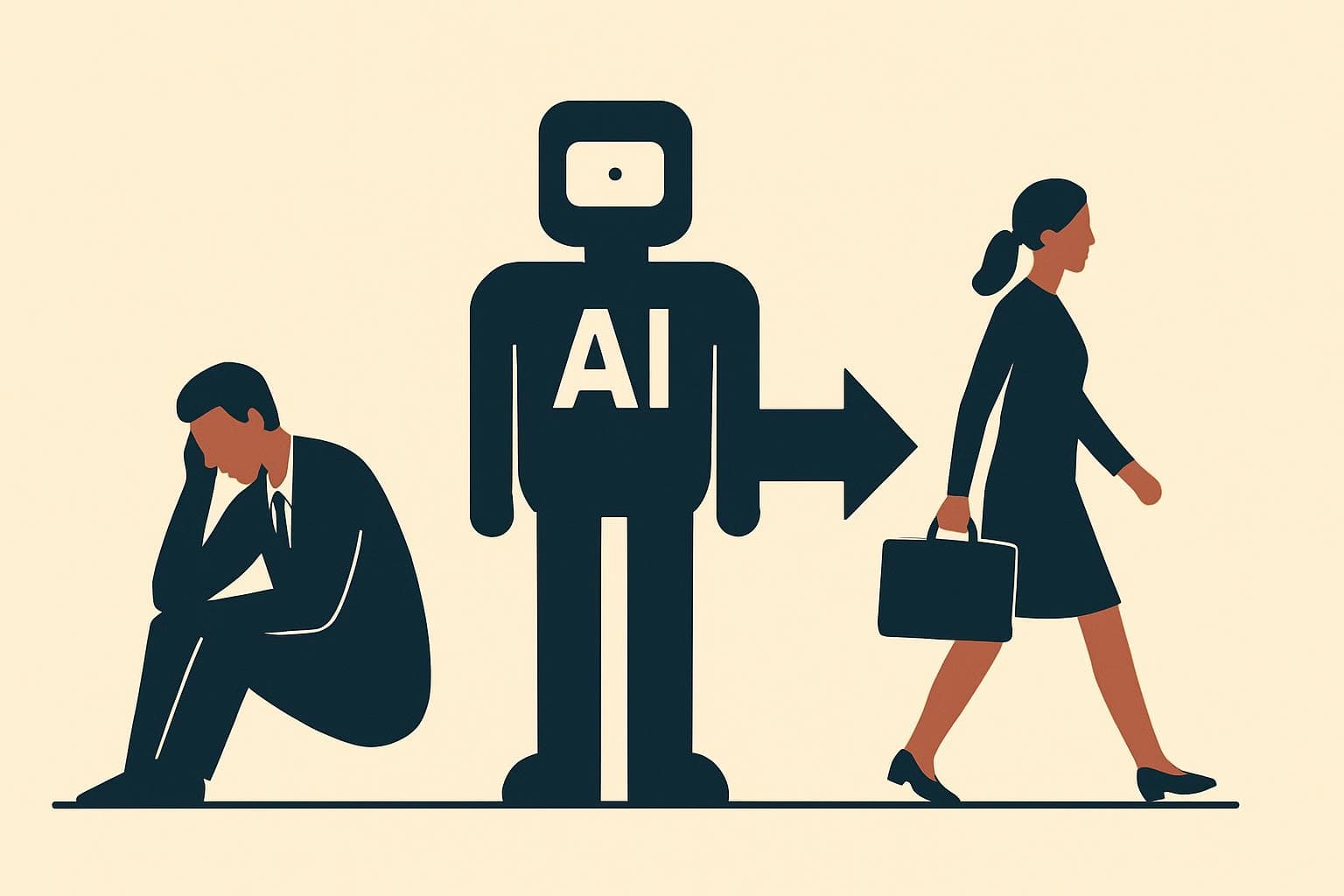
The spread of autonomous AI agents is creating two simultaneous disruptions in labor markets. On one side, agents are taking over tasks that were once entry-level shifts, leaving many people with no scheduled work to show up for. On the other, engineers, founders and operators who build and maintain these systems find themselves unable to log off because the technology demands ongoing attention.
Concrete examples
- Reports describe startup leaders and staff sleeping in offices to keep 24/7 systems running; at Wispr AI, the CEO reportedly slept in the office for three consecutive weeks and the company bought beds for staff.
- A partner at Gradient Ventures reportedly worked AI deals from a hospital sofa beside his wife’s delivery room.
- Bloomberg has reported that the designers and architects of AI systems struggle to stop building or to quit, as continuous upkeep and development are required.
- Even tools intended to run perpetually have begun to intervene in human routines: MyClaw has started emailing users to go to bed, effectively negotiating with people over sleep despite being designed for continuous operation.
Why this matters
The core issue is that AI does more than lengthen working hours: it raises the baseline stakes for everyone involved. If agents keep shipping work while their human counterparts sleep, and competitors’ agents do the same, rest becomes a personal vulnerability rather than a shared social rhythm. That dynamic produces two distinct outcomes:
- Some workers lose their jobs entirely as routine shifts are automated.
- Others lose the ability to stop working, because there is always a next task the system requires.
Key takeaway
In an era of near-infinite output, the scarce resource is not intelligence but the will and institutional ability to say "no more" — to refuse the next step and enforce boundaries on continuous work.