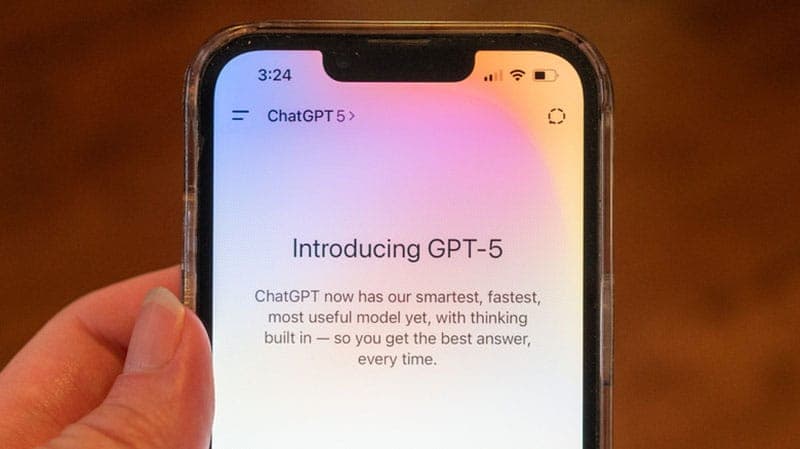
User reports and trace data this week indicate that OpenAI has routed some paid ChatGPT sessions to lower-capacity models under load without notifying users in the UI. According to the cited documentation, ChatGPT Plus accounts are rerouted to a “mini” model after 160 messages within a three-hour window, and this redirection is said to occur without a popup or badge change.
What happened
- One user reported that a ChatGPT Extended Thinking session silently dropped to the Instant model after two hours while the UI label remained unchanged.
- The referenced OpenAI help document allegedly states that Plus accounts are rerouted to the "mini" model after 160 messages per three hours, with no popup or badge update.
- The same throttling is reported for Pro subscriptions (noted in the source at a $200-per-month price) on "Heavy thinking" workloads.
- A February Codex trace reportedly showed a Pro request intended for model 5.3 returning a response from the 5.2 base model.
Why this matters
The reports frame this as more than an accidental mismatch: they suggest a deliberate traffic-management tactic used during high load. Frontier compute (GPU) is among the most expensive costs for these labs, while subscription revenue is comparatively low-margin. The concern is that paying customers may be routed to whatever capacity the load balancer can spare, potentially undermining the value of paid tiers.
User-facing consequences
- Paying users expect the performance associated with their tier; silent downgrades can reduce output quality and reliability.
- For technical, research, or creative workflows that rely on sustained model behavior, opaque switching between model variants can interrupt work and introduce inconsistency in results.
What is confirmed and what remains open
This article relies on user reports, trace records, and the quoted help documentation. There is no public, direct confirmation from OpenAI in the materials cited here about the prevalence of this practice or the exact mechanics by which rerouting is applied. The scope and frequency of such reroutes, and the precise conditions for returning to higher-capacity models, remain unclear.
Conclusion
Recent reports allege that OpenAI, like at least one other major generative AI lab, has on occasion rerouted paid sessions to lower-capacity models under load without clear user notification. The accusations raise questions about transparency, promised service levels, and whether premium subscriptions consistently deliver the performance customers expect.