On February 17, 2026, Anthropic and the Government of Rwanda signed a three-year Memorandum of Understanding (MOU) to formalize and expand their partnership to deploy AI across Rwanda’s education, health, and public sector systems. The agreement builds on the ALX education partnership announced in November 2025 and represents Anthropic’s first multi-sector government MOU on the African continent.
Key components of the agreement
-
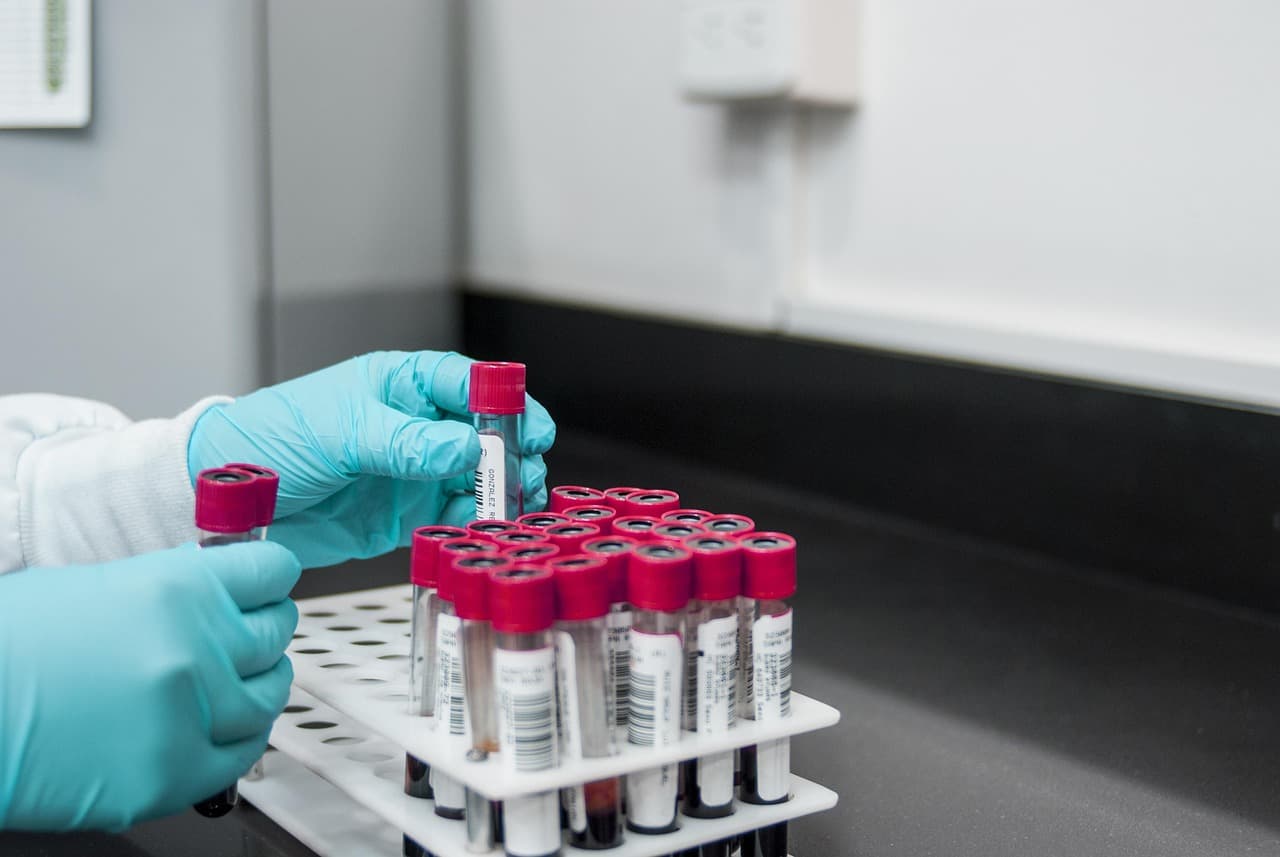
Accelerating Rwanda’s health goals: Anthropic will support the Ministry of Health to advance national health priorities, including the plan to eliminate cervical cancer and ongoing efforts to reduce malaria and maternal mortality.
-
Enabling public sector developers: developer teams across government institutions will be given access to Claude and Claude Code. That access is accompanied by hands-on training, capacity building, and API credits to help integrate AI into other public sector areas.
-
Deepening the education partnership regionally: the MOU formalizes the fall 2025 education agreement, which included 2,000 Claude Pro licenses for educators in Rwanda, AI literacy training for public servants, and deployment of a Claude-powered AI learning companion across eight African countries.
Statements from partners
Paula Ingabire, Minister of Information and Communications Technology (ICT) and Innovation in Rwanda, said the partnership is “an important milestone in Rwanda’s AI journey,” adding that the goal is to design and deploy AI solutions at national scale to strengthen education, improve health outcomes, and enhance governance while emphasizing the local context.
Elizabeth Kelly, Head of Beneficial Deployments at Anthropic, highlighted the focus on reach and capacity: “Technology is only as valuable as its reach. We’re investing in training, technical support, and capacity building to expand access so that AI can be used safely and independently by teachers, health workers, and public servants throughout Rwanda.”
Why this matters
The announcement extends Anthropic’s existing education work into a broader collaboration that now includes the health sector and formalizes government-level engagement. The partners emphasize long-term capacity building, responsible deployment, and local autonomy over how AI is introduced. By investing in skills, infrastructure, and institutions, they aim to create conditions for AI to deliver sustained benefits in sectors that directly affect people’s lives.
(The public announcement states the MOU covers three years; no additional financial figures or detailed timelines were provided in the released material.)