Anthropic’s newest generative language models were taken offline for 20 days after Amazon — a partner and investor in Anthropic — reported a potential “jailbreaking” vulnerability in the lab’s Mythos and Fable models. A series of high-level calls, interagency technical reviews and in-person negotiations in Washington culminated in the models being restored on July 1.
What happened and why it matters
Amazon flagged a possible flaw that could allow the models’ guardrails to be bypassed, and forwarded its concerns to the U.S. government. That triggered the prospect of broad export controls and prompted U.S. officials to run their own tests once they decided the issue required attention. Cybersecurity experts later wrote an open letter to the administration saying other leading AI models show similar vulnerabilities.
The exchange is significant because it forced a rapid, interagency examination of AI safety practices and showed how commercial security reports can lead to major regulatory responses.
Key actors and timeline
- On June 12, Howard Lutnick, U.S. Secretary of Commerce, at the direction of President Donald Trump, called Anthropic CEO Dario Amodei to say the issue needed a rapid fix and to alert him that Anthropic would receive a letter imposing sweeping export controls.
- Amodei called Lutnick back that night after receiving the letter and understood it effectively required taking the models offline; Lutnick confirmed that was the intention.
- The episode produced a three‑week, multi‑agency effort focused on AI safety. Anthropic deployed engineers to Washington D.C. to demonstrate that many fixes were already implemented and others were being fine‑tuned.
Which agencies participated
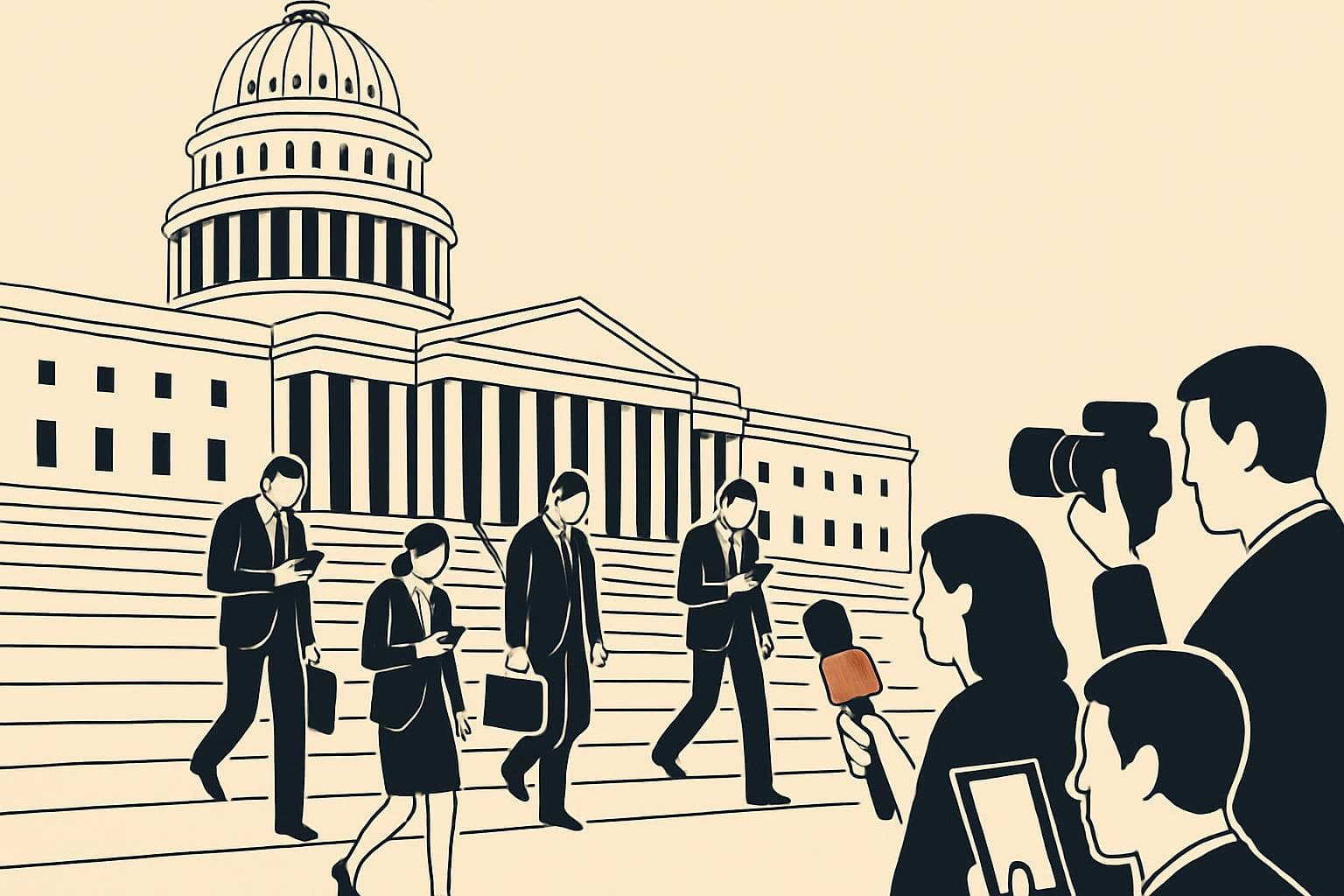
The response involved the Commerce Department teams, the federal Center for AI Standards and Innovation, the National Security Agency (NSA), National Cyber Director Sean Cairncross, the White House Office of Science and Technology Policy, and Sam Corcos, chief information officer at the Treasury Department, among others. Andy Jassy at Amazon raised the issue; Treasury Secretary Scott Bessent also learned early of the jailbreaking report, helped re-engage Anthropic, and assisted in advancing a cybersecurity executive order.
Technical talks and personality tensions
Sources described intense technical discussions in Washington alongside personality clashes and communication problems. Anthropic’s policy chief Sarah Heck and co-founder Tom Brown became more involved as talks turned technical; Brown held multiple conversations with Lutnick and Cairncross the weekend of June 12 and was able to walk government specialists through model behaviors line-by-line under stress scenarios.
Sources say Dario Amodei never stepped off the public stage during the negotiations, but Brown’s technical presence was important to bridge detailed technical points with government experts.
Restoration and wider implications
Agency heads gradually approved the company’s changes, and the models were released on July 1. While the immediate crisis ended with the restoration, sources emphasized that significant work remains to create a transparent, inclusive framework for approving future models, including clear timelines and disclosure standards.
It also remains unclear when and how Anthropic’s models will be made available to allied countries — an element many proponents deem important in countering China — or how other labs from OpenAI to Google will manage releases of their own latest models. OpenAI’s latest model, GPT-5.6, is on hold; OpenAI was not privy to the Anthropic–White House discussions and continues daily technical discussions about its own release.
Bottom line
The episode demonstrated that the U.S. government can rapidly mobilize multiple agencies around an AI safety concern, but it also revealed gaps in communication and process. The resolution avoided a prolonged outage, yet underlined the need for a well-defined approval framework that balances technical scrutiny, transparency and global coordination for advanced AI systems.