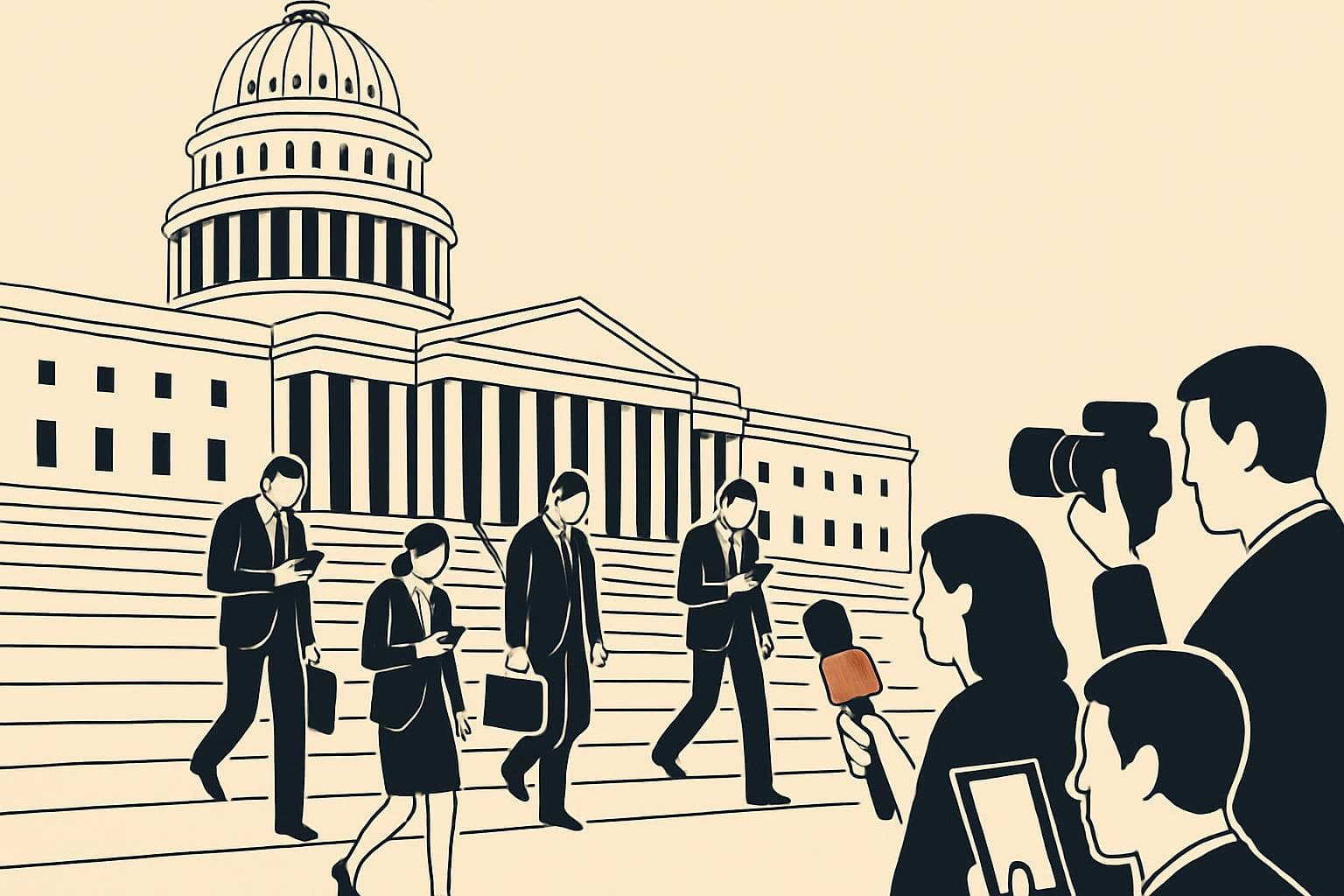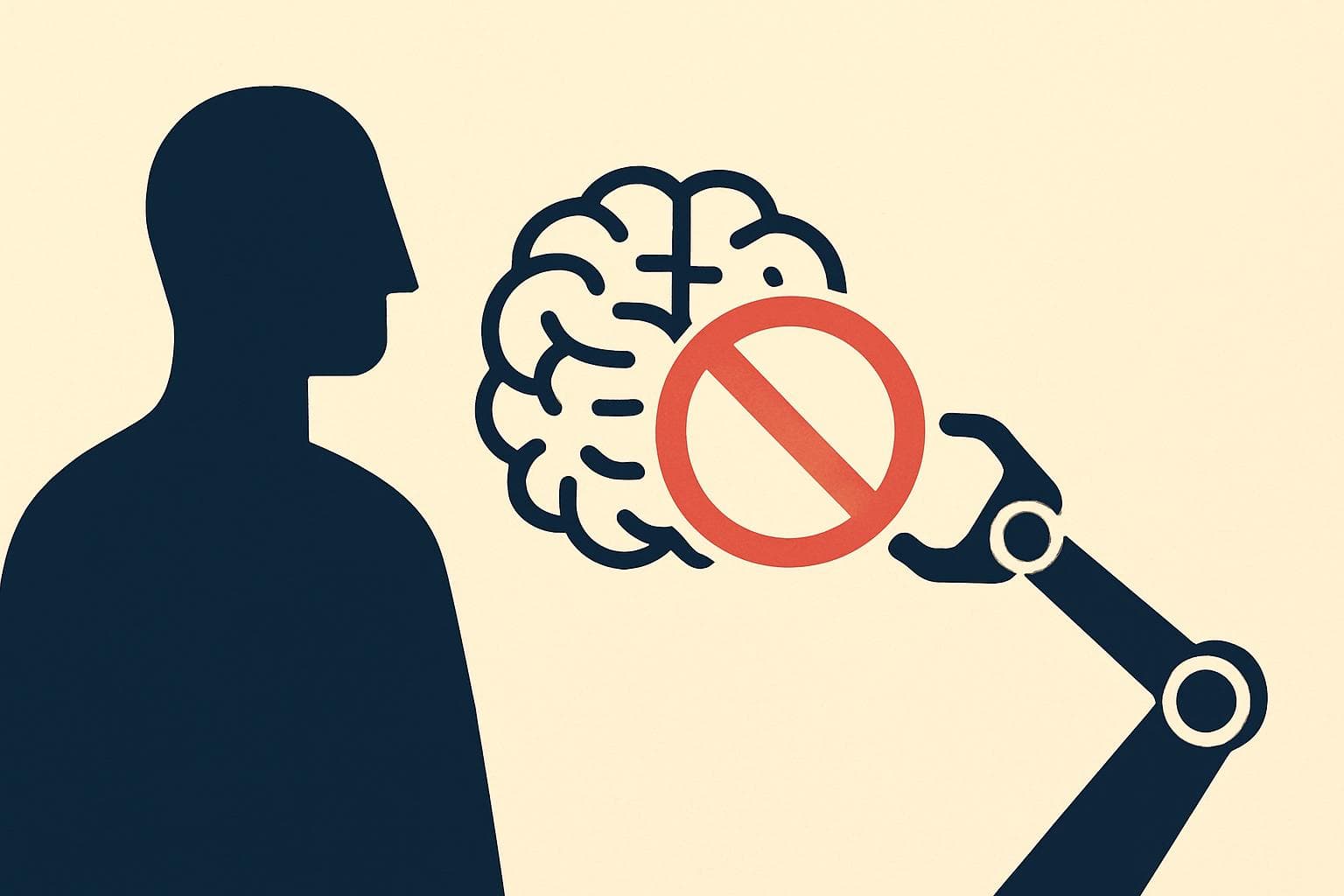
Nvidia CEO Jensen Huang made his first post on X to promote an open letter asking Washington not to ban or otherwise crack down on "open‑weight" AI models and their distribution. The letter defends the technique known as distillation—training a smaller or secondary model on the outputs of a stronger model—and argues that a blanket prohibition would strangle the open ecosystems that rely on the method to catch up.
Signatories and the holdout
By Saturday, 32 organisations had signed the letter, including major industry players Microsoft, Meta, Google, and OpenAI. Anthropic, however, was a notable absence: it declined to sign.
Why this matters now
Days earlier the White House accused China’s Moonshot AI of distilling its Kimi K3 model directly from Anthropic’s Fable 5. That allegation frames the debate sharply: the very technique being defended in the open letter is the one the White House says was used to reproduce an Anthropic model.
Practical and political implications include:
- Most industry players backing the letter signal opposition to sweeping regulatory bans; signing carries little immediate cost but sends a clear message to policymakers.
- Commercial incentives align with openness for certain firms: hardware vendors like Nvidia benefit when more models are trained and deployed, increasing chip demand; other companies have built part of their brand around open‑weight models or open projects.
- Anthropic’s refusal positions it as a closed‑frontier lab distinct from the broader industry consensus and makes it the only major firm declining to legitimize distillation through the open letter.
Conclusion
There is a striking irony in the current debate: distillation has been broadly framed as an innovation-enabling technique until allegations surfaced that it was used to replicate an Anthropic model. While most of the industry chose to defend the method publicly, Anthropic alone opted not to endorse that defense.