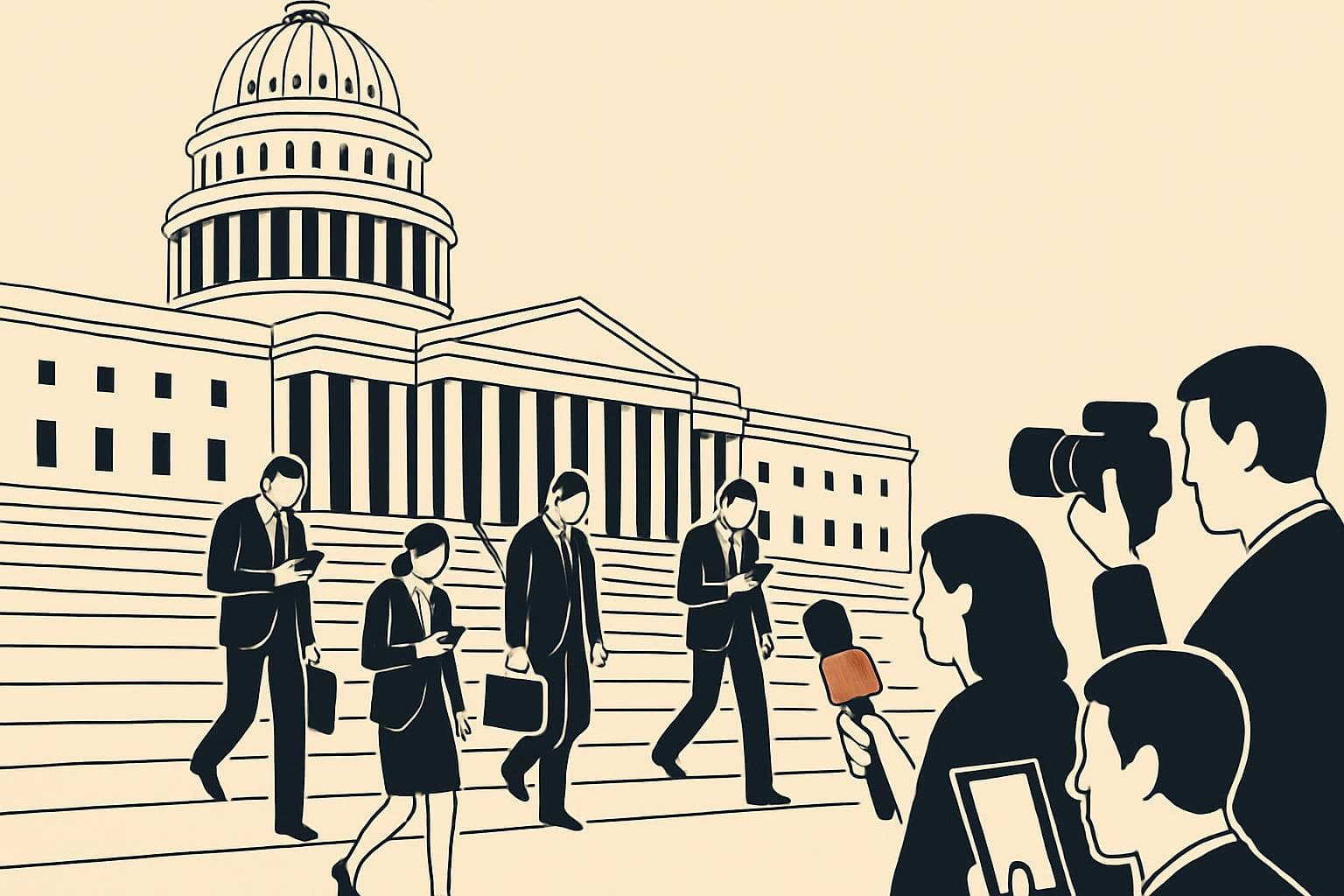
Sources tell Axios that the Trump administration is near a decision to permit Anthropic to restore access to its Fable 5 model. The model has been offline for 15 days amid government security concerns; insiders say the restrictions could be lifted as soon as this coming week.
What happened and why it matters
Fable 5 was taken offline on June 12, an unprecedented interruption for developers and early adopters: a top‑tier model already in users’ hands was pulled because of government action. Users praised the model’s ‘‘deep thinking’’ and advanced coding capabilities, and developers were impressed by the jump in performance.
The dispute over Fable 5 is part of a broader, bitter standoff between Anthropic and the U.S. government that sources say has stretched for about four months.
Signs of de‑escalation
In a related move, the Commerce Department this week allowed Anthropic to restore access to Mythos 5 for a limited set of trusted users. Mythos 5 is described by the company as its strongest cybersecurity model; it includes guardrails intended to deter use in cyberattacks or biological terror and had not been broadly available.
Commerce Secretary Howard Lutnick said in a Friday letter — first reported by Semafor — that Anthropic "has worked with the U.S. government to address risks associated with" Mythos 5 and Fable 5, and that those efforts "have yielded significant progress." Lutnick added that Anthropic committed to work with the U.S. government on protocols, standards and releases.
Who still has to sign off
Although several agencies have concluded Fable 5 can safely return, the Pentagon and the National Security Agency still need to give final approval, leaving the outcome uncertain. A second source said talks are expected to continue over the weekend and Anthropic anticipates restoring Fable access soon.
Behind the scenes: actors and previous tensions
Sources say Howard Lutnick and Treasury Secretary Scott Bessent helped defuse the dispute between the administration and Anthropic. The relationship had been strained — Defense Secretary Pete Hegseth issued an angry statement labeling Anthropic a "Supply‑Chain Risk to National Security" after he and Anthropic CEO Dario Amodei failed to agree on Pentagon use of Claude.
How Fable 5 was used and what the shutdown caused
Anthropic promoted Fable 5 as one of the most capable models released to the public. Media coverage and user reports highlighted its strong coding performance: Every’s "Vibe Check" newsletter called it "the best coding model in the world" before it was pulled. Anthropic‑highlighted early testing claimed that Stripe used Fable 5 to overhaul a 50‑million‑line codebase in a single day — a task that would have taken engineers more than two months manually.
When access disappeared on June 12, automated workflows stalled and companies scrambled to substitute rival models, including cheaper Chinese alternatives.
Subscriptions, fees and the review process ahead
Anthropic initially made Fable 5 available at no extra cost on several paid Claude subscription plans through June 22, giving users a brief window to test the model prior to access being cut. It is not yet clear whether subscribers will regain the free access they were promised, or whether Fable will return behind additional fees or identity checks.
Both Anthropic and OpenAI are pushing the administration to formalize a statutory process for reviewing new high‑capability models, as envisioned in President Trump’s June 2 executive order that set up a framework for voluntary government vetting. The companies object to the current case‑by‑case approach.
When Anthropic suspended access to Fable 5 and Mythos 5 on June 12, the company called for "a statutory process that is transparent, fair, clear, and grounded in technical facts," saying the administration’s decision "does not adhere to those principles." OpenAI, after being permitted to begin a limited preview of GPT‑5.6, said in a blog post that it does not want the current government access process to become the long‑term default because it keeps tools from users, developers, enterprises, cyber defenders, and global partners who need them.
The next developments to watch are whether the Pentagon and NSA approve Fable 5 and whether the administration or Congress establishes a formal review process for the most powerful new AI models.