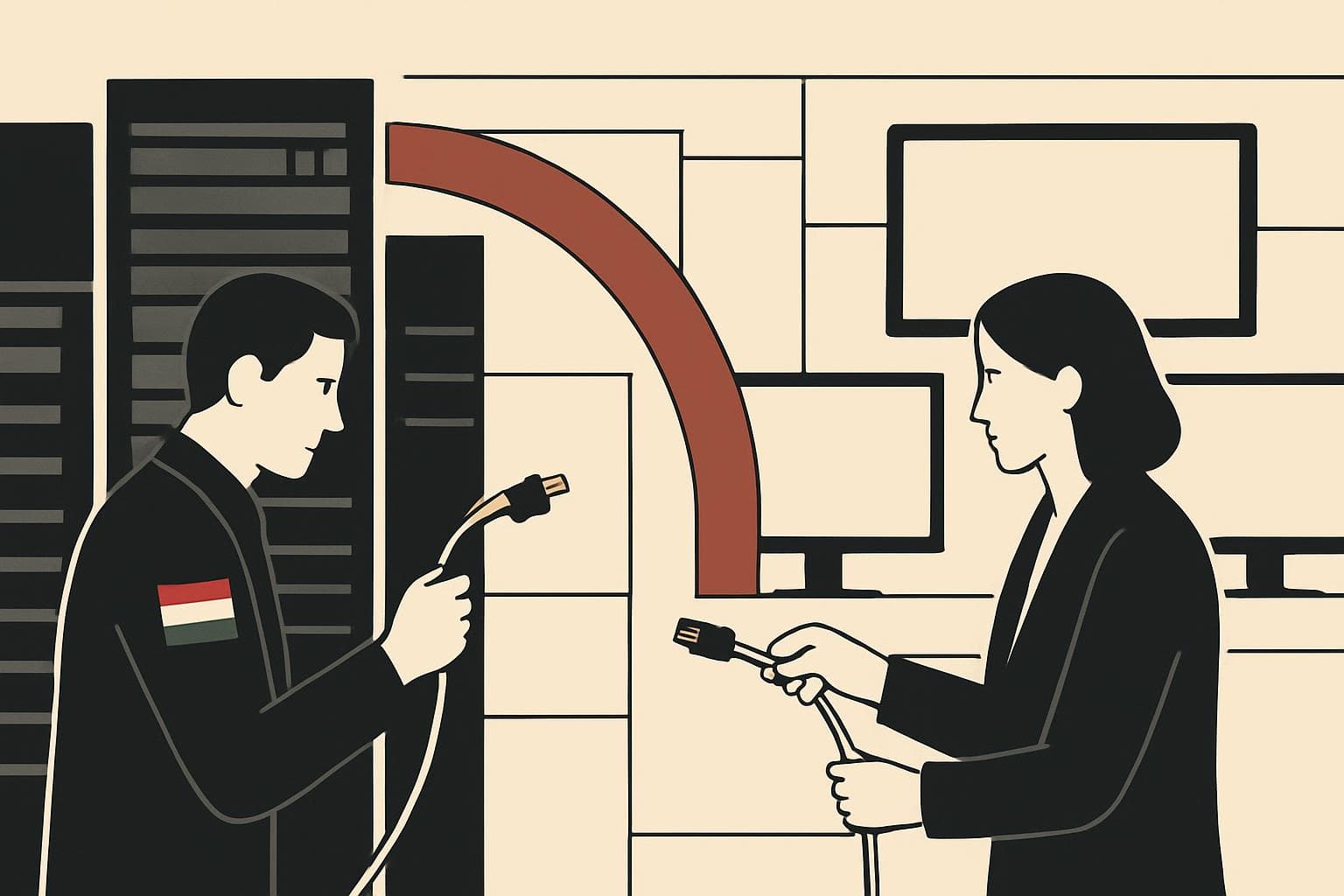
Anthropic has temporarily suspended access to two of its high‑performance language models, Claude Fable 5 and Mythos 5, after US authorities flagged security concerns in the days following their release. The move followed an instruction from the Trump administration that barred non‑US citizens from using the development, effectively preventing some Anthropic researchers who are not US citizens from accessing work related to the product.
Findings from tests and investigations
According to the Wall Street Journal, Amazon’s cybersecurity researchers demonstrated a method that, through a sequence of commands, could lead Fable 5 to provide actionable information useful for conducting cyberattacks. Amazon did not comment publicly on that report. Anthropic has stated that the US authorities did not identify any specific national security threat, but the company’s own reviews uncovered several smaller, relatively simple vulnerabilities in the developments.
Anthropic said investigators found a technique that could “jailbreak” the system — a process that allows attackers to bypass protections designed to enforce safety constraints, potentially giving unauthorized access to sensitive information or unlocking blocked functions. The company also noted that it had implemented multiple defensive measures before launch to reduce the risk of systems being compromised.
Earlier tests and expressed concerns
The BBC reported that financial, technology and government leaders raised concerns after a limited April release in which organisations tested the model and assessed potential threats. Anthropic acknowledged that a number of organisations had access to the model before full release because the tool’s capabilities were judged by the company to be potentially dangerous to computer systems. Previously Anthropic had warned that Fable 5 might be “too powerful to release,” a phrase critics dismissed as pre‑launch rhetoric.
Kate Koren, a former official at the US Department of Commerce, said the discovered flaw did not amount to a true jailbreak and suggested that the White House’s restrictive measure may have been partly driven by antagonism toward Anthropic.
Political and strategic fallout in Europe
Anthropic’s decision has had international repercussions. Euronews reported that European politicians sounded the alarm after the company’s move, noting that the continent could be cut off from the development. Policymakers argue the episode highlights Europe’s significant technological dependence on foreign AI providers and called for accelerated efforts to develop sovereign AI systems and reduce reliance on external suppliers.
Summary
The suspension of Anthropic’s two models underscores how security concerns, regulatory actions and nationality‑based access restrictions can quickly produce political and economic effects. In this case, access to two flagship models was paused after tests identified vulnerabilities and demonstrated risks, prompting debate about international cooperation and Europe’s dependency on external AI technology.