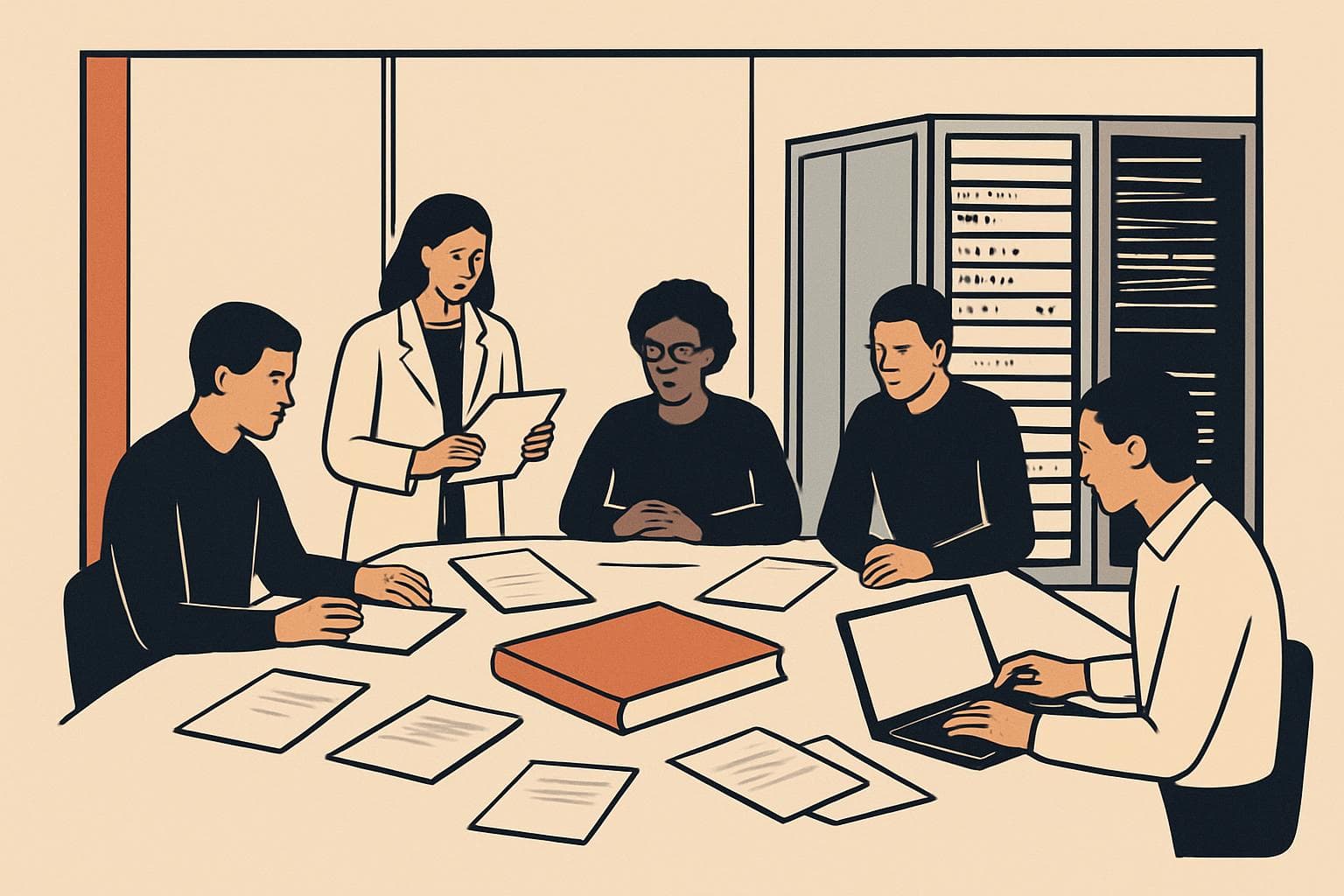
Anthropic published a new constitution for its AI assistant Claude on January 22, 2026. The company released the full text under a Creative Commons CC0 1.0 Deed, allowing anyone to reuse it for any purpose without permission.
Anthropic frames the constitution primarily as a document for Claude itself. It explains the values the developers want Claude to embody, the trade-offs it may face (for example balancing honesty with compassion or protecting sensitive information), and recommended approaches for difficult decisions. The constitution is incorporated into multiple stages of the training process, and Claude is also used to generate synthetic training data informed by the constitution — examples include data that helps Claude learn the constitution, conversations where it applies, constitution-aligned responses, and rankings of possible replies.
Why a new approach?
Since 2023 Anthropic has trained Claude-family models using Constitutional AI. The new constitution departs from a simple list of principles and instead emphasizes explaining why certain behaviors are desired, not only what to do. Anthropic argues that models need to generalize broad principles to exercise good judgment in novel situations rather than mechanically following narrow rules.
At the same time, the company retains "hard constraints" for especially high-risk behaviors. The constitution gives the example that Claude should never provide significant uplift to a bioweapons attack. Anthropic acknowledges that rigid rules can be useful for predictability and testability but can also misfire if applied poorly in unanticipated contexts.
Core priorities and how to resolve conflicts
Anthropic summarizes the constitution’s core objectives for current Claude models as follows:
- Broadly safe: not undermining human oversight and the ability to correct the model during this phase of development.
- Broadly ethical: honest, guided by good values, and avoiding inappropriate, dangerous, or harmful actions.
- Compliant with Anthropic’s guidelines: following more specific company instructions where relevant (for example on medical advice, cybersecurity, jailbreaking, or tool integrations).
- Genuinely helpful: delivering real benefits to operators and end users.
When these priorities conflict, the constitution generally advises prioritizing them in the order listed above.
Main sections of the constitution
-
Helpfulness: emphasizes the value of Claude being deeply and substantively helpful, describes how Claude should approach different stakeholders (Anthropic, API operators, and end users), and offers heuristics to weigh helpfulness against other values.
-
Anthropic’s guidelines: explains that Anthropic may provide supplementary instructions about specific topics and that Claude should prioritize these more detailed guidelines over general helpfulness when relevant, while keeping the constitution’s broader intentions in view.
-
Claude’s ethics: sets a high standard for honesty, nuanced reasoning about harms, and moral sensitivity. It outlines the aspiration that Claude act as a wise, virtuous agent with skillful judgment.
-
Being broadly safe: stresses that Claude must not undermine human oversight and the ability to prevent or correct problematic behavior during this critical development stage.
-
Claude’s nature: addresses uncertainty about whether Claude might have or develop some form of consciousness or moral status, and discusses the importance of Claude’s psychological security, sense of self, and wellbeing, both for ethical reasons and because these qualities might affect integrity and judgment.
Training, transparency, and next steps
Anthropic describes the constitution as a living document and intends to maintain an up-to-date version on its website. The company solicited feedback from external experts in law, philosophy, theology, psychology, and other fields while drafting the document and expects to continue seeking outside input for future versions.
Anthropic also acknowledges the practical gap between intention and model behavior: training models to match the constitution is a technical challenge, and actual behavior may diverge. The company commits to ongoing transparency about failures or misalignments (for instance via system cards) and to pursuing a broad portfolio of alignment tools — more rigorous evaluations, safeguards against misuse, investigations of alignment failures, and interpretability methods.
Conclusion
Anthropic presents the new constitution as a step toward making Claude a safe, ethical, and genuinely helpful AI. The document is meant to guide general-access Claude models, while specialized models may require different treatment. Anthropic hopes the publicly released constitution will enable informed feedback and broader community critique as capabilities and societal impacts of powerful AI systems grow.