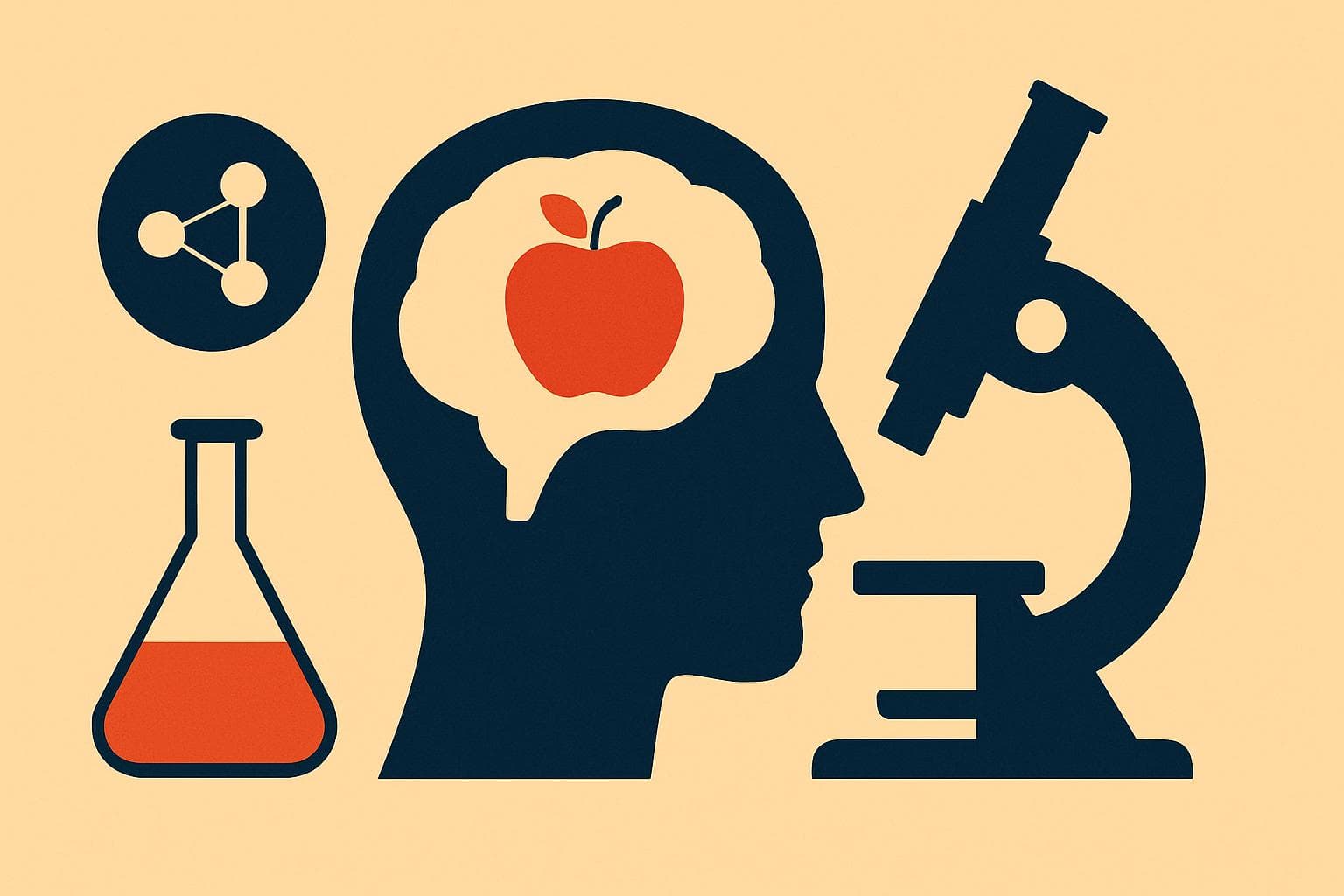
Earlier this week Anthropic introduced Claude Science, a research platform intended as an "AI-powered workspace" for scientists. According to The Verge, the system integrates multiple research tools and databases and can automatically generate figures and visualizations.
Anthropic said several biotechnology and pharmaceutical companies already use Claude, and the new Claude Science platform is intended to speed up scientific discovery through AI. In addition to providing software, Anthropic announced it will pursue its own drug discovery programs. The company has an existing life sciences division led by Eric Kauderer-Abrams, who said the effort will initially focus on diseases that currently receive relatively little research attention.
Other major AI developers also offer life-science platforms — for example OpenAI, Amazon and Google — but Anthropic's announcement is notable because it publicly stated it intends not only to build software for drugmakers but to create drugs itself. That positions the company alongside AI-driven drug discovery firms such as Insilico Medicine and Isomorphic Labs (spun out of Google DeepMind), as well as many biotech startups and large pharmaceutical companies pursuing AI projects.
Anthropic provided few specifics in its announcement: it did not name which diseases it would target first, nor clarify whether it would participate directly in laboratory research, animal studies or clinical trials.
AI is already used across nearly every stage of drug development, from searching for new molecules to optimizing manufacturing. Large pharmaceutical companies including AstraZeneca, Novo Nordisk and GSK already run multiple AI projects.
Because Anthropic works on advanced generative models, it is likely to apply those capabilities to analyze large chemical and biological datasets and surface correlations that human researchers might miss or find slowly. That could lead to new drug candidates, novel disease targets or repurposing opportunities for existing medicines.
Anthropic appears to be ramping up for serious involvement in drug development: over the past year it has actively recruited biologists, begun building its own laboratories and is currently hiring for several life-science positions. Nevertheless, to date no AI-designed drug has completed the full clinical trial process and obtained regulatory approval, and drug development remains a lengthy, multi-step endeavor. While several AI-assisted drug candidates are already in human testing, it is unclear how large a role AI played in their development or whether they will prove superior to drugs developed by traditional methods.