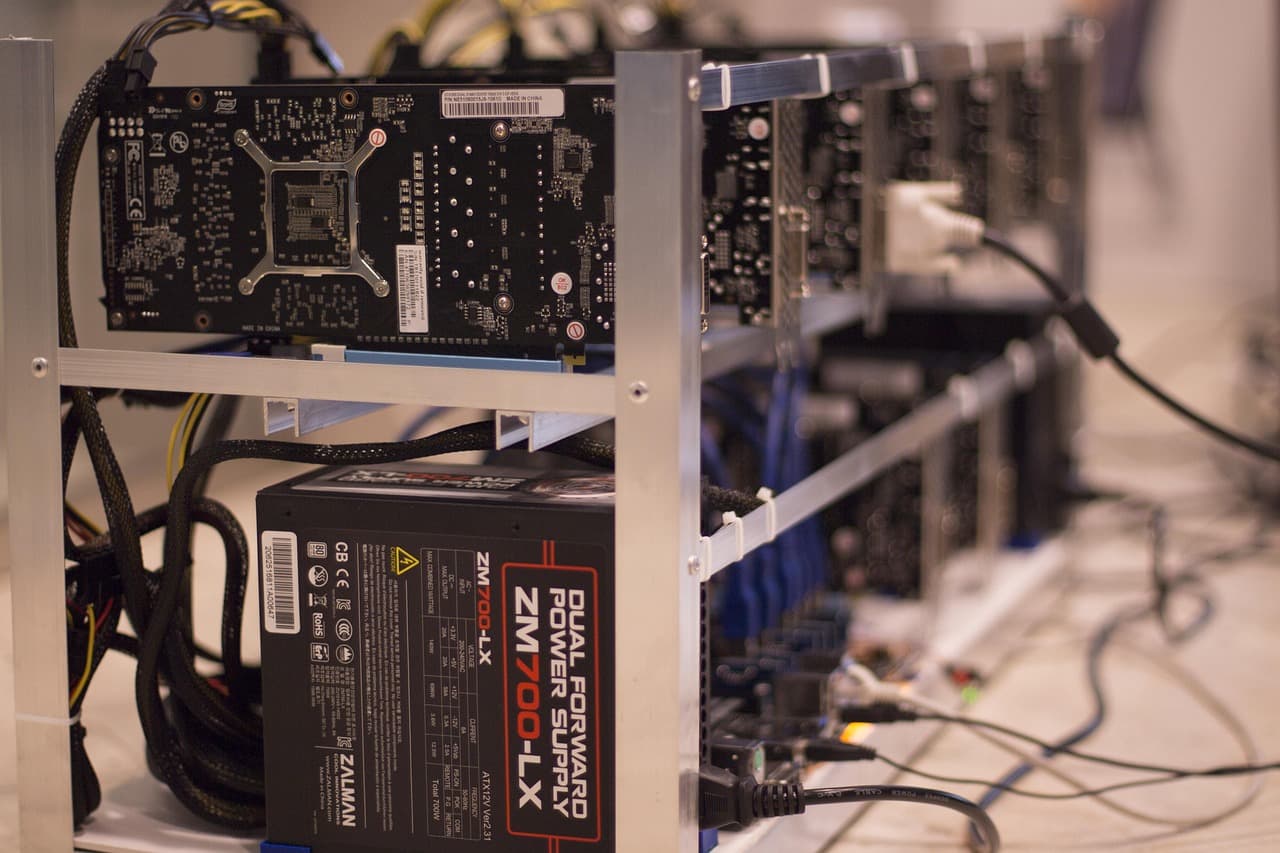
Anthropic is reported to intend spending about $750 billion to expand its compute capacity over the coming years, including several hundred billion dollars in non‑cancelable contracts. These figures appear in a prospectus obtained by The Wall Street Journal.
The prospectus is linked to Anthropic’s preparations for an initial public offering (IPO); the document indicates the IPO could value Anthropic at roughly $2 trillion. The scale of the proposed investment and the suggested valuation have prompted concern among market participants.
Impact on competitors
Following the disclosure, Reuters reported that rival frontier AI company OpenAI is accelerating a financing round that could put its valuation at approximately $1.4 trillion. The competing large valuations and massive infrastructure plans have intensified questions about whether the companies’ future revenues will be sufficient to justify these expenditures.
Market concerns
The huge sums involved and the uncertainty around revenue generation have left some investors skeptical. Ken Griffin, founder and CEO of Citadel, said the market was “almost certainly” in a bubble. Such remarks reflect the risk: rapid expansion and enormous infrastructure commitments assume revenue models that have not yet been proven to cover these costs.
Why this matters
Running advanced AI models requires rapidly growing amounts of compute, and if leading firms commit to hundreds of billions in largely non‑cancelable agreements, that could have broad implications for market liquidity, competition, and the returns on technology investments. The current disclosures and valuations have reignited debate over whether this growth path is sustainable.
Summary
According to The Wall Street Journal’s prospectus, Anthropic plans a $750 billion boost to compute capacity, including hundreds of billions in non‑cancelable deals, and its IPO could imply a $2 trillion valuation. The disclosure has coincided with OpenAI advancing its financing toward an estimated $1.4 trillion valuation and renewed warnings from market participants about a potential bubble.