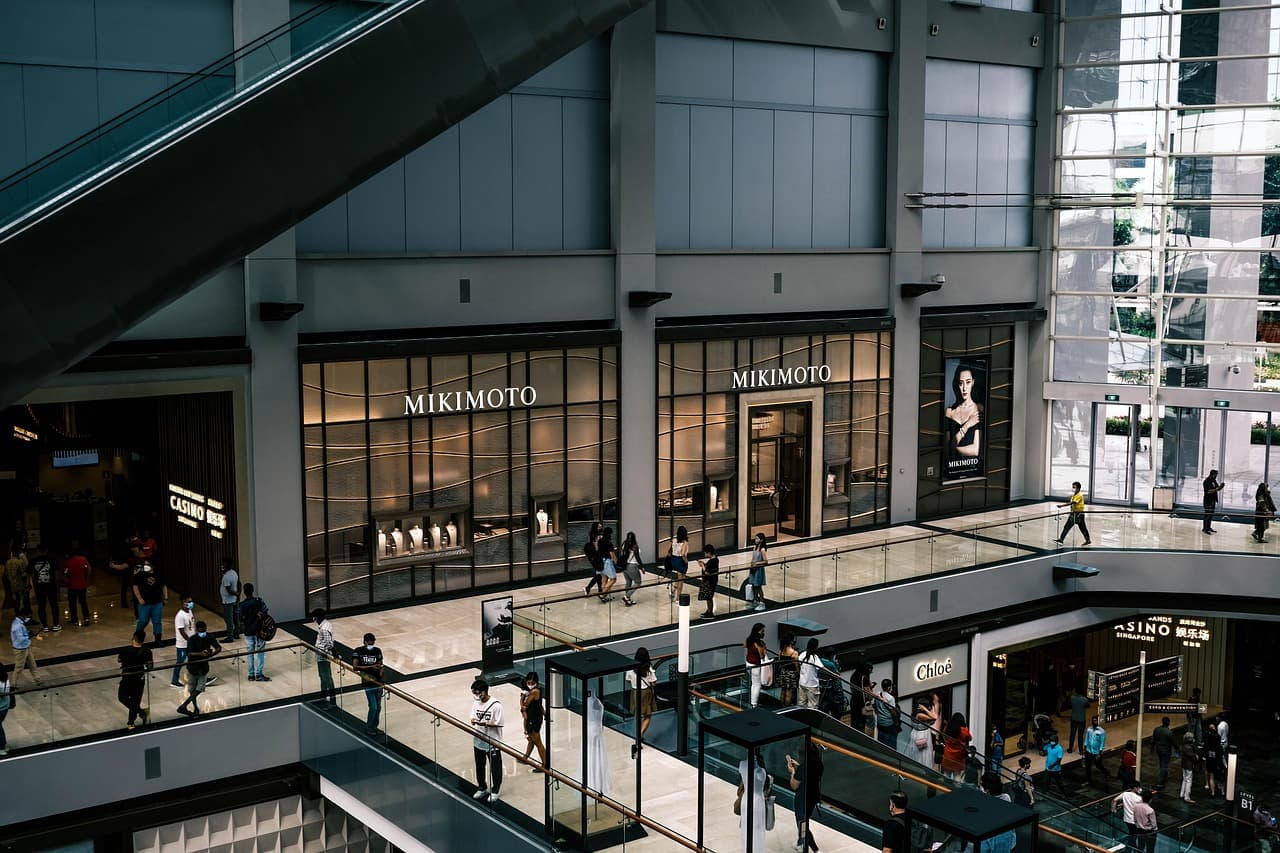
A fully automated para-pharmacy called Pharma&Go has opened in the Parque das Nações neighborhood of Lisbon. The 90 m² store operates without cashiers or serving staff: customers enter with a bank card, cameras, sensors and artificial intelligence (AI) track which products they take, and the system automatically charges the card associated at entry when they leave. Staff only enter the shop to restock merchandise.
How it works and objectives
Pharma&Go aims to free pharmacists’ time for clinical tasks while enabling customers to obtain over-the-counter products quickly and independently. Entry requires only a bank card, which the system links to the shopper; cameras and sensors then monitor which items the customer picks up and carries out. Customers can browse at their own pace or complete a purchase in about a minute if they wish.
Technical performance and user experience
The developers report a technology error rate below 2 percent; most issues stem from customer behavior rather than system faults. For example, one incident occurred when a man held the door open as a courtesy for a woman entering behind him, and the AI associated both purchases with his bank card.
Although the concept was originally aimed at younger, tech-savvy shoppers, experience shows that older customers can use the system easily as well. Accessible design and the elimination of queues make the store attractive to them. Since opening, the number of customers has been steadily increasing.
Product range and limits
The shop currently sells typical pharmacy over-the-counter items: dermocosmetics, baby care products, dietary supplements and oral care products. Some prescription medicines and certain other pharmacy products are not yet available in the store.
Financing and developers
Pharma&Go was created by Sensei in collaboration with Glintt Life and was funded privately. The developers expressed disappointment that their project did not receive support from the Portuguese recovery fund’s AI incentive competition, but they remain confident in further development and broader deployment of the technology.
Why it matters
The example demonstrates how automation and AI can reshape traditional pharmacy services by speeding transactions and potentially reallocating pharmacist time to clinical duties. It also raises practical questions about error handling, the impact of customer behavior on automated systems, and which product categories will continue to require personal service.