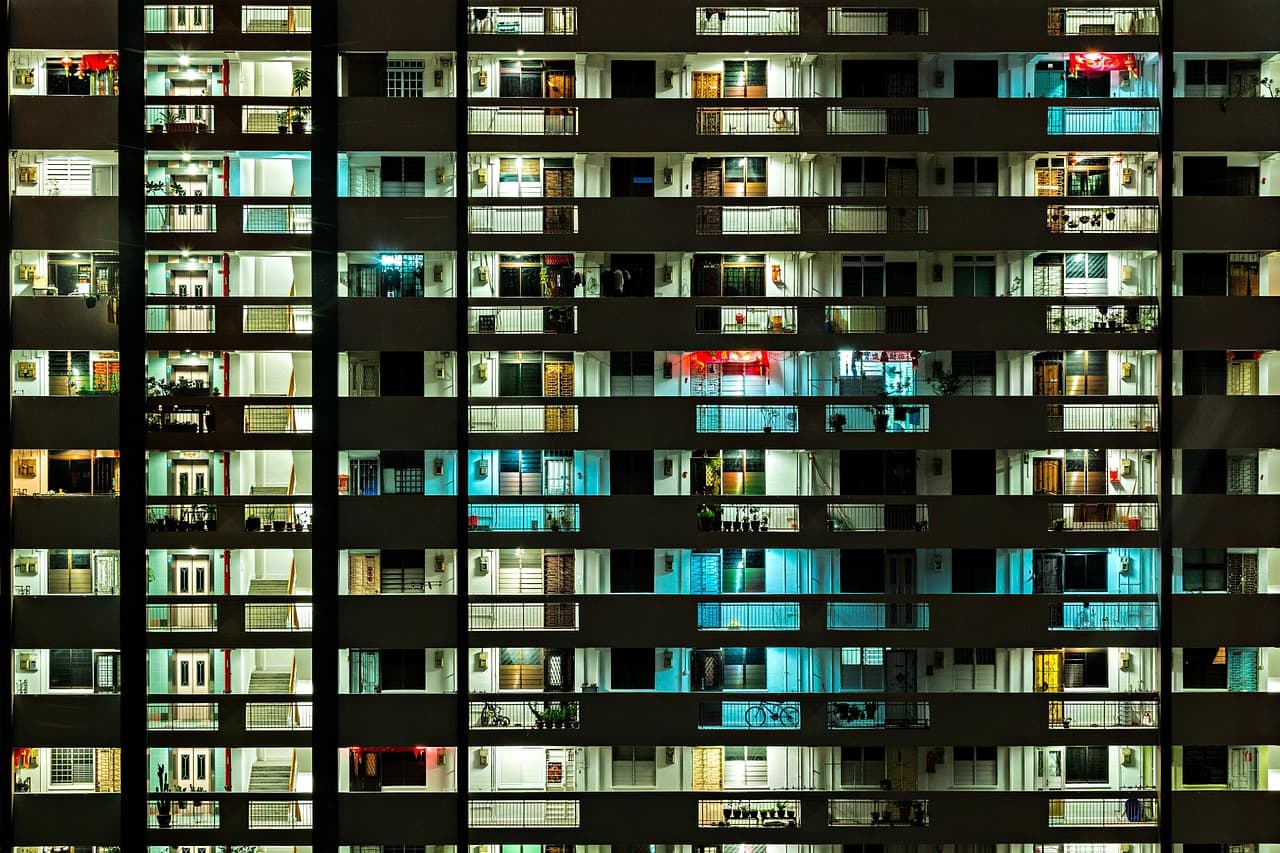
A surge in demand for semiconductors tied to artificial intelligence is pushing South Korean property prices higher, especially in the Seoul metropolitan area, and is creating political pressure on President Li Dzsemjong. According to Deutsche Bank, the Seoul metro — home to about half of South Korea’s 51 million people — ranks as the world’s third most expensive housing market after Hong Kong and Zurich. Inner-city prices per square metre have more than doubled over the past decade and currently stand at roughly $25,500.
Part of the price rise is explained by rising incomes among workers in AI-related semiconductor manufacturing: wages near local plants operated by Samsung and SK Hynix are lifting demand for nearby housing. Rapid price increases are felt particularly acutely by younger people and are affecting political support.
Government measures and public reaction
Last month President Li called the property sector a “ticking bomb,” warning that the trend could drag the economy into years of stagnation, deepen social inequality and further depress an already low fertility rate. The government has introduced several measures to address the problem:
- Mortgage lending limits were tightened in October.
- Last month the government doubled the cap on annual growth of household credit to roughly 3 percent to support young buyers.
- Authorities announced construction of more than 230,000 new homes in the Seoul metro as a supplement to the planned 1.35 million housing units through 2030.
- Wealth taxes on owners with multiple properties were raised.
These steps have met mixed reactions. Critics argue that lending restrictions can reduce young people’s chances of buying homes, while higher wealth taxes have prompted some landlords to raise rents or move into properties they had previously rented out. Facing strong pushback, the government partially rolled back its tax measures.
Political implications
Gallup Korea’s latest survey shows President Li’s approval rating has fallen to 40 percent overall and to only 25 percent among people in their twenties. Rising housing costs in Seoul are therefore a politically sensitive issue for the president and the Democratic Party; similar market dynamics contributed to the party’s defeat in the 2022 presidential election.
If the housing market is not stabilized and younger buyers’ access to housing is not improved, the situation poses ongoing risks of further political decline and increased social tensions.
The article notes that an AI assistant helped prepare the piece, while the final content was edited and verified by a journalist.