The U.S. Department of Energy (DOE) has selected 278 projects under its Genesis Mission, involving 342 institutions. The program aims to develop AI‑driven scientific workflows across domains including nuclear energy, critical minerals, chip design and fusion research.
What participating organizations will receive
Selected national laboratories, universities, companies and nonprofits will be granted access to agent frameworks, advanced AI models and DOE supercomputers. The resources are intended to embed AI capabilities into the research and development pipeline, accelerating experimental cycles and automating computationally intensive tasks.
Funding details and current status
According to the announcement, the largest proposed award is a three‑year, $60 million nuclear project. The selections remain subject to award negotiations: final contracting and disbursement of funds are still being negotiated before agreements are executed.
Why this represents a strategic shift
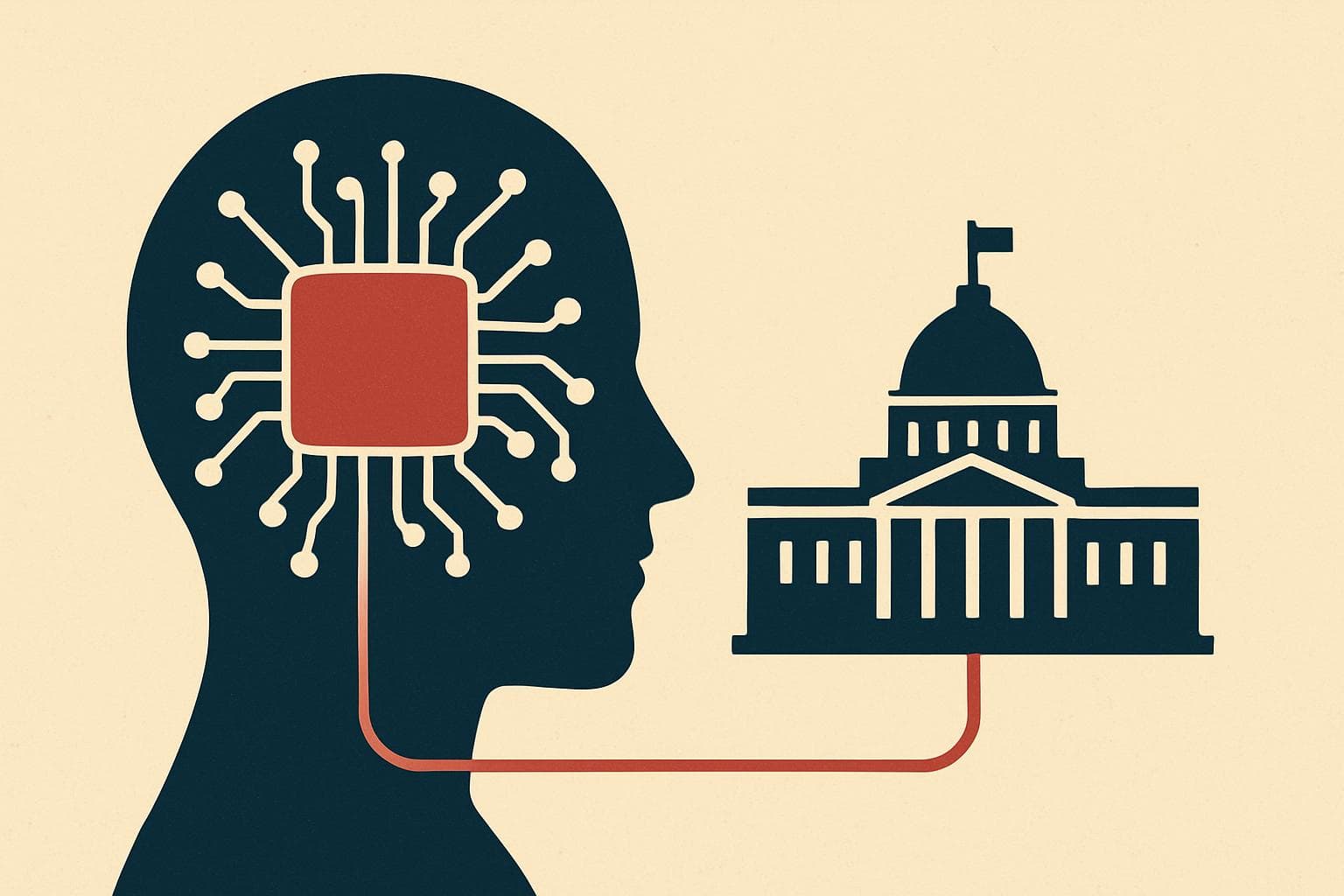
U.S. policymakers are increasingly treating frontier AI labs not merely as commercial software developers but as components of national infrastructure. Work by companies such as OpenAI and Anthropic helped demonstrate that advanced American AI models can serve strategic, wide‑scale functions. The Genesis Mission seeks to rebuild the surrounding technology ecosystem—linking domestic AI capabilities, federal compute resources, national laboratories and key industrial sectors like energy, minerals and chip design—into a coordinated strategic stack.
Potential impacts and risks
Genesis could speed up both basic research and industrial application by providing researchers and engineers direct access to high‑performance resources and AI tools. At the same time, the program raises strategic questions: dependency on a small number of key labs or models, centralization of data and compute, and security and regulatory challenges when AI is applied to critical infrastructure.
Conclusion
The Genesis Mission connects hundreds of projects and institutions with the stated goal of embedding AI into U.S. scientific and industrial workflows. The initiative underscores a broader shift toward viewing top AI labs and models as elements of national infrastructure, while final awards and detailed contracts remain under negotiation.