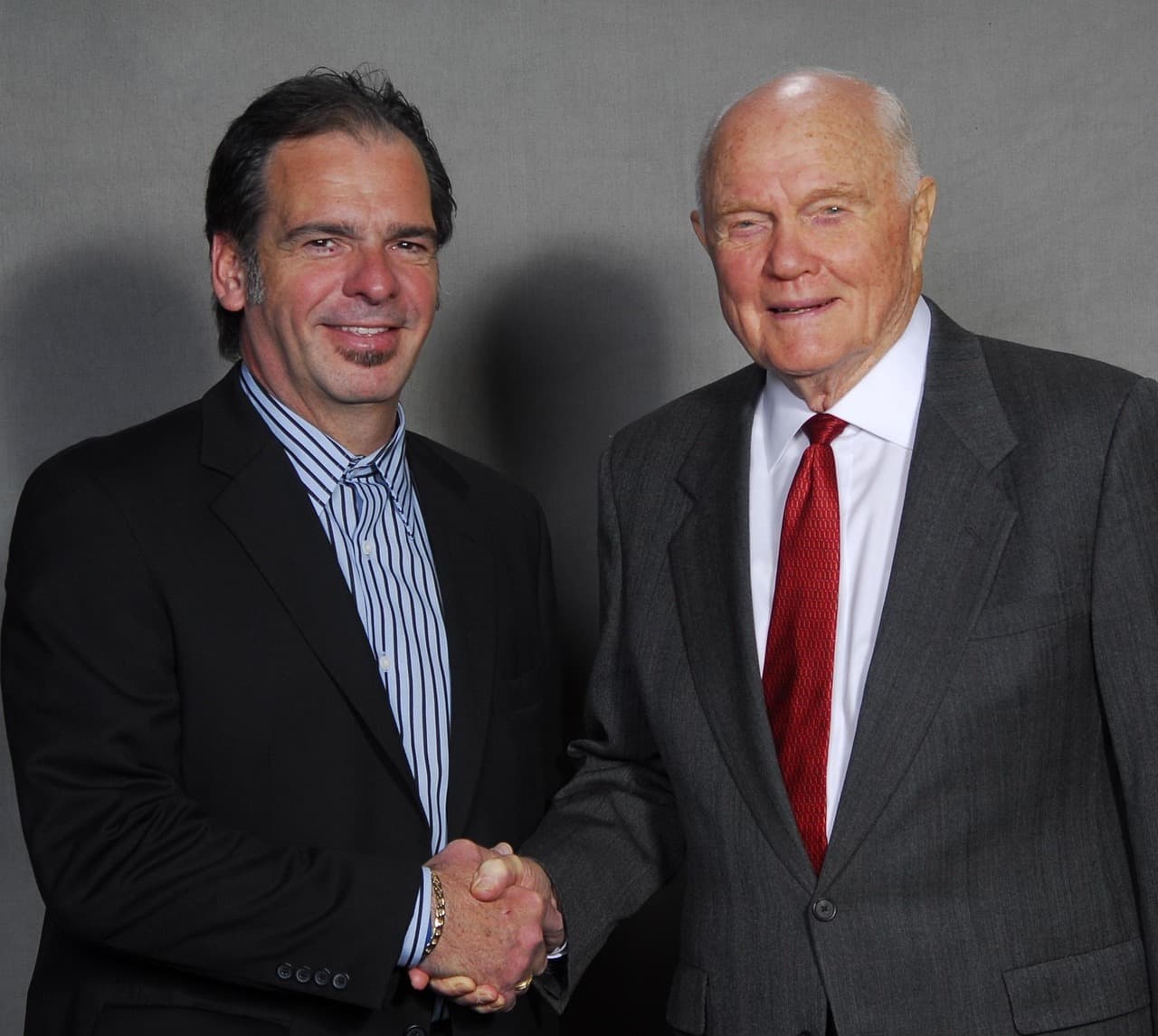
The Országos Egészségbiztosítási Pénztár (OEP), which will soon take over the role of the Nemzeti Egészségbiztosítási Alapkezelő (NEAK), is planned to be transformed from a traditional payer into a value-based purchaser, said university professor and health economist Kaló Zoltán at a Hungarian Academy of Sciences (MTA) symposium on the health applications of artificial intelligence.
Kaló was asked to lead the reestablished OEP by Health Minister Hegedűs Zsolt; his appointment was reported on May 21. In his presentation he outlined the principles that will guide the OEP and the measures planned for the near term.
Evidence-based decisions and continuous data analysis
Kaló stressed that the new OEP will strive for evidence-based decision-making. He assessed that in recent years important health-policy decisions were often taken without supporting background studies, or that such analyses were classified when they existed. He also asserted that there were instances of data manipulation, citing an example in favor of the Sinopharm vaccine over mRNA vaccines.
Accordingly, the OEP will continuously analyse available data — including patient pathways, outcomes and costs — to support financing decisions. The agency intends to introduce value-based, conditional financing: if a provider or treatment does not deliver the expected real-world results, funding will be reduced.
Oversight, fraud detection and the role of AI
The OEP plans to introduce stronger professional oversight and aims to detect abuses through monitoring of existing data. Kaló said these tasks can no longer be carried out effectively without artificial intelligence, and that AI tools will therefore play a central role.
Organisational changes and recruitment
In the short and medium term, the OEP will establish a new strategic directorate. Within it there will be an analytics and strategic analysis department and a value measurement department. The OEP plans to recruit specialists such as biostatisticians and econometricians, who are currently lacking or only minimally present internally.
Without naming the individual, Kaló said they have already found the person who will serve as patient-representation coordinator; this role will provide patient input to OEP decisions.
IT, digitalisation and an AI unit
The existing IT directorate will be converted into an IT and digitalisation directorate. Within it a digital, innovation and artificial intelligence unit will be created to link and manage databases using AI tools.
University cooperation and international projects
Kaló said the OEP intends to work more closely with university centres. He himself is a professor at Semmelweis University and noted that until now he had little contact with sectoral management or with NEAK; he wants to change that and plans university collaborations.
He also noted that NEAK currently coordinates two European Union projects that the new OEP will take over: the Capricord project, which deals with the future of drug subsidies, and the Euripid project, in which NEAK coordinates with 13 other health insurance funds the largest European drug-price database. Kaló emphasised the intention to participate in many such international projects going forward.
Kaló added that he founded the Syreon Research Institute in 2008, an international research organisation specialised in health-policy and health-economics modelling and technology-assessment projects, and said the OEP will draw on similar experience.
Transparency and science communication
The plans include extensive publication: the OEP will explain what it finances and why, or why it does not finance certain interventions. The agency also intends to pursue science communication to make the large amounts of data it holds accessible and understandable to both the public and professional audiences.
Overall, the announced changes aim to ground OEP operations in professional standards, data analysis and international practice, with stronger oversight and AI-supported data management.
Tags: health care, financing, artificial intelligence, digitalisation, health reform, data analysis, NEAK, OEP, Kaló Zoltán