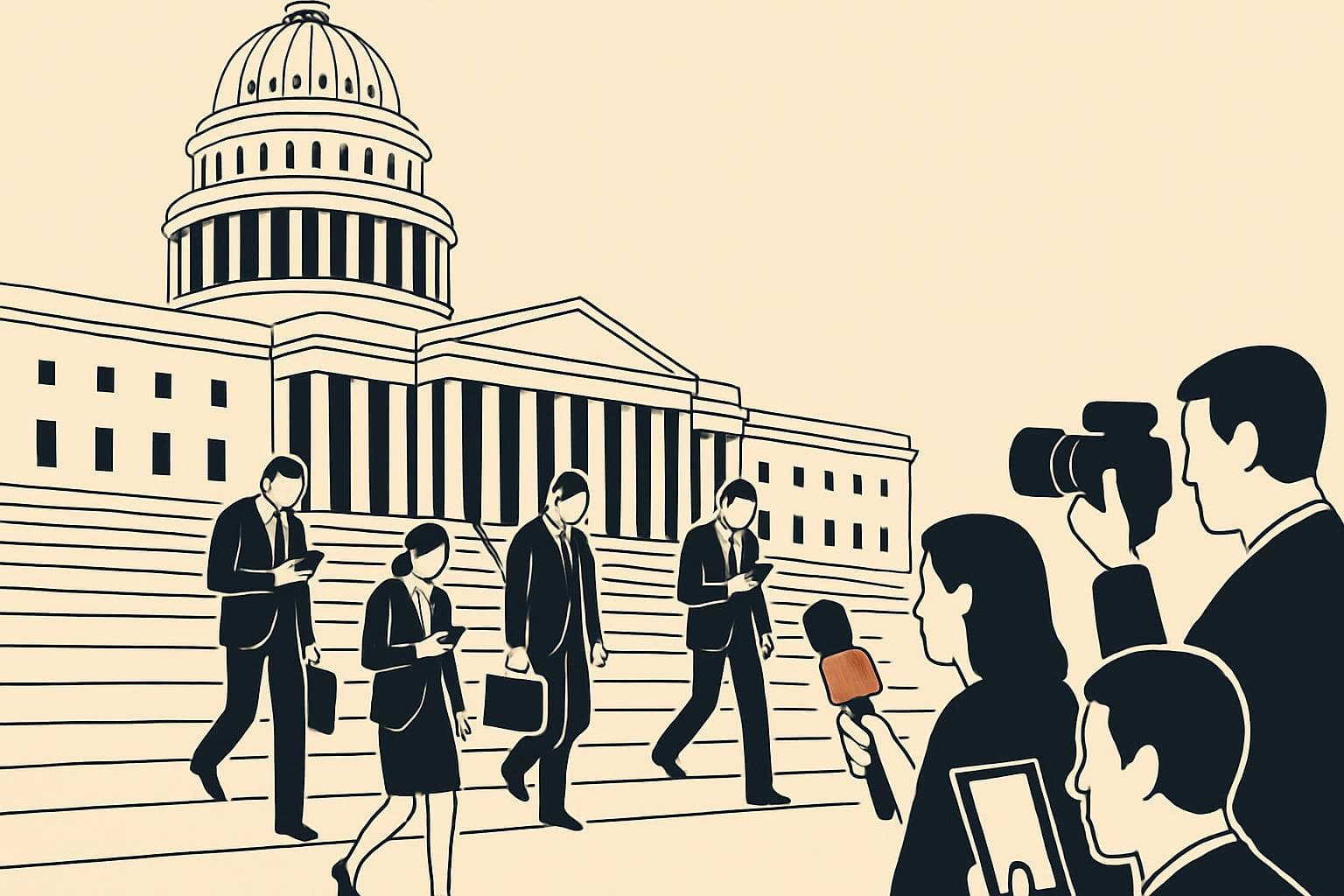
OpenAI has begun early discussions about the United States government taking a 5 percent ownership stake in the company that developed ChatGPT. According to the Financial Times, which cited sources familiar with the talks, Sam Altman, OpenAI’s chief executive, has argued that such a stake could allow the public to directly share in the expected economic gains from artificial intelligence.
What the proposal entails
The proposal under discussion would transfer a 5 percent ownership interest in OpenAI to the US government. The FT, citing two people with knowledge of the talks, reported that Altman envisions a broader agreement in which other major US AI developers — for example Anthropic and the publicly traded Google and Meta — would also provide similar 5 percent stakes to the government.
Why the idea has surfaced
Hundreds of billions of dollars are already flowing into AI development, and the technology is expected to produce companies worth trillions of dollars. That potential economic upside, together with concerns about AI displacing jobs, has intensified political and social debate about ensuring broader societal benefits rather than concentrating returns among investors. Sam Altman raised the idea with the Trump administration as early as 2025, arguing that a government ownership stake could be the most effective way to ensure society as a whole benefits from AI profits.
Political context and uncertainties
Donald Trump has recently signaled openness to the idea that the US government acquire ownership stakes in leading AI firms, and he has previously discussed the possibility of creating a sovereign wealth fund to buy such stakes and direct returns for the benefit of American citizens. However, it remains unclear how a government acquisition would be structured legally or financially in the AI sector. While the administration has taken stakes in strategic companies before — for example in Intel — there is no established model for similar arrangements with AI companies.
Questions about feasibility
The FT report notes it is not known whether other leading AI companies would be willing to transfer a 5 percent stake to the US government. Additional unresolved issues include how such ownership would affect corporate governance, competitiveness, and market dynamics for the companies involved.
Why this matters
If implemented, the proposal could create a precedent for how society shares in the returns from a major technological shift. Yet substantial legal, financial and practical details remain unspecified, and the talks are still at an early stage.
This article does not constitute investment advice.