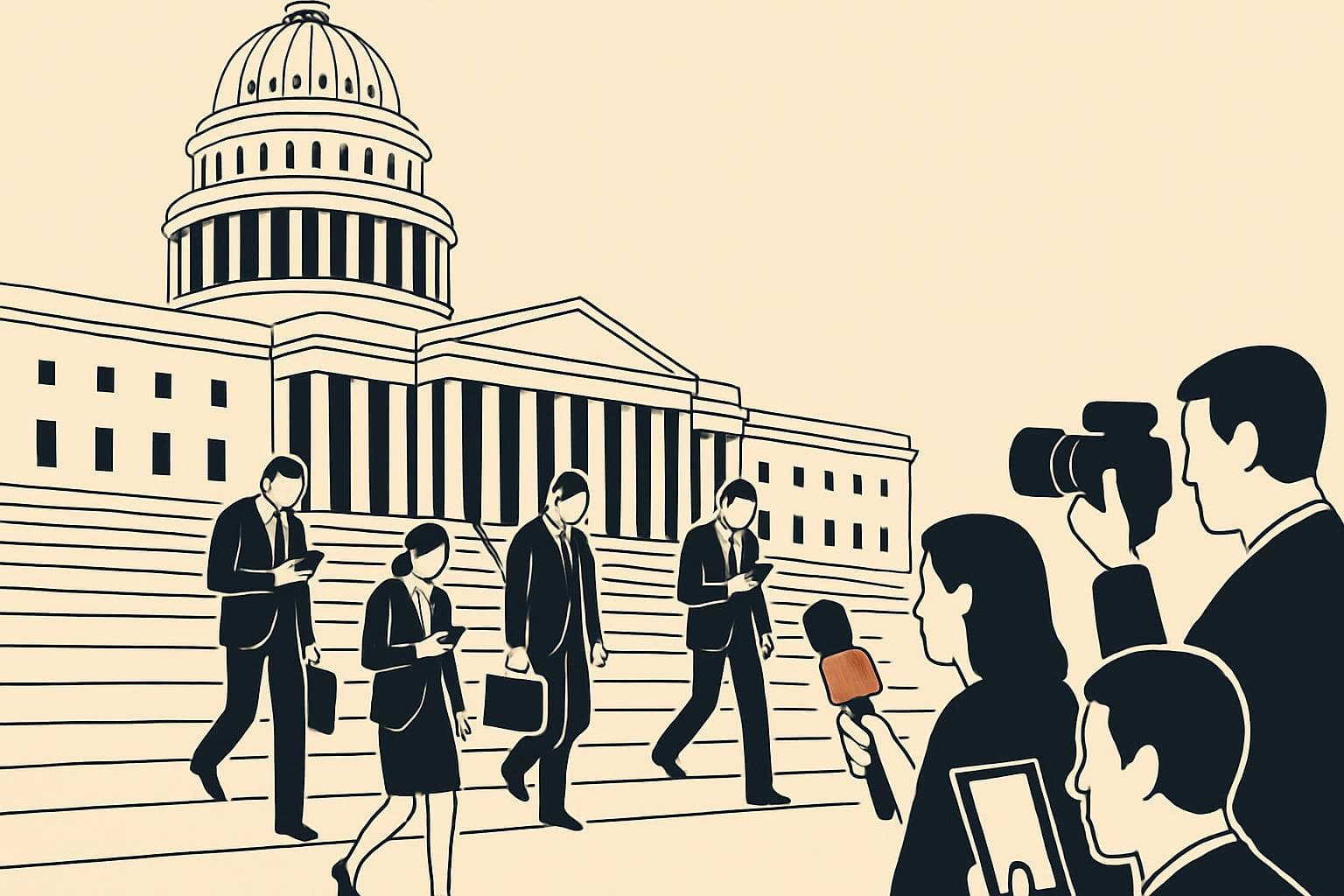
OpenAI is reportedly weighing a proposal to grant the United States government a 5% equity stake. The move is presented as a potential way to improve relations with the Trump administration and to head off public backlash against the AI industry.
The debate over redistributing AI windfalls
How to redistribute gains from AI is a contested issue across the political spectrum. Left-wing Senator Bernie Sanders recently called for a partial nationalization of the AI industry, proposing that dividends from AI firms be paid to the public.
The White House has also considered taking stakes in companies, representing another form of government involvement in the sector.
Alternative proposals from tech leaders
Tech executives have floated less extreme alternatives:
- Anthropic CEO Dario Amodei has proposed financing a universal basic income through taxes on AI companies.
- OpenAI CEO Sam Altman has previously suggested public equity as an option; however, his proposals do not include relinquishing board positions or the 50% share that Bernie Sanders has advocated.
Why this matters
The issue matters because AI’s rapid economic impact and large profit potential raise questions about fair and politically acceptable ways to manage resulting revenues. Options such as government equity stakes or taxes and public dividends carry different political and economic consequences and could affect corporate governance, investor behavior, and public acceptance.
(The reporting was by Tom Chivers.)