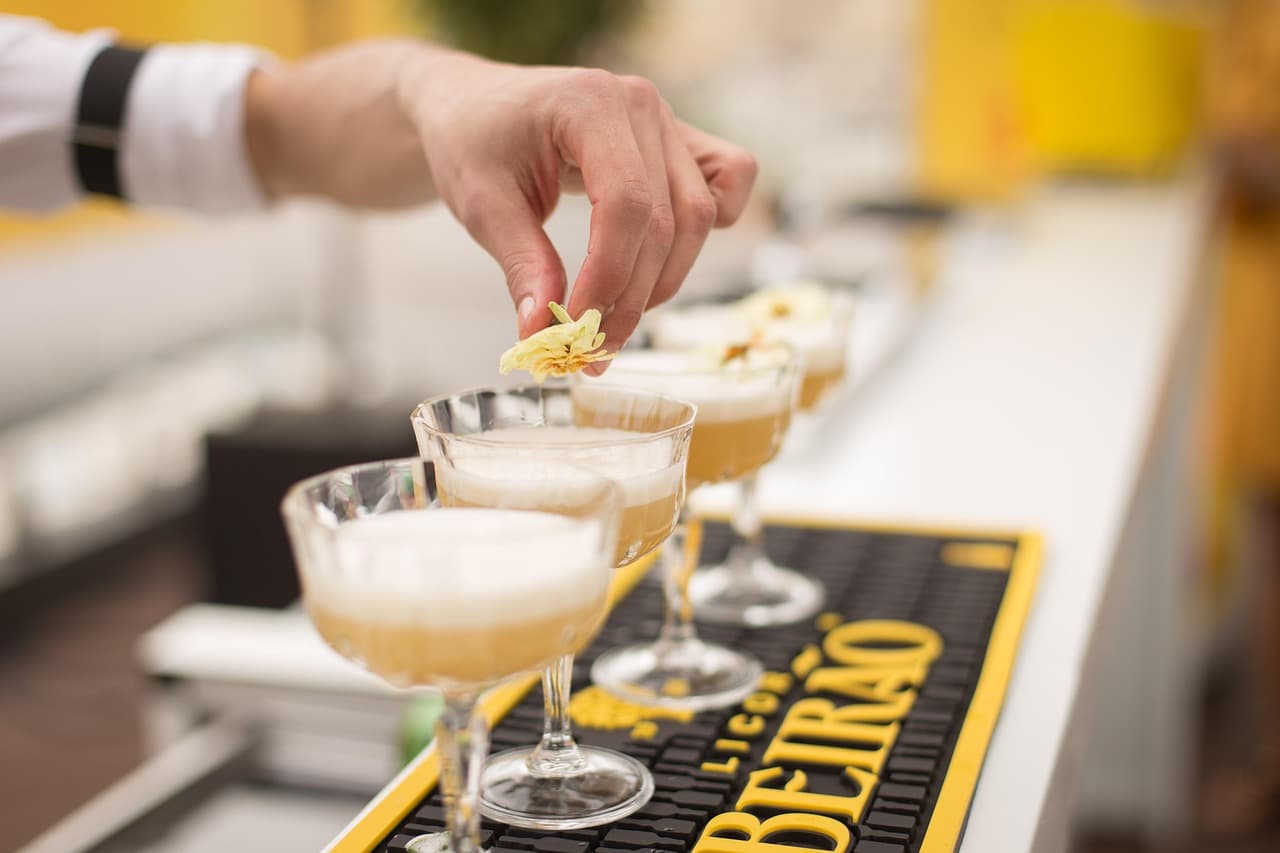
AGI Bar operates in Beijing's Zhongguancun tech district and was founded by Song De, an indie AI developer in his thirties. The bar's signature item is a $1.50 glass of foam called "AGI." Over the venue's Wi‑Fi, visitors receive free, unlimited DeepSeek tokens; the computing capacity backing those tokens is provided by two Nvidia DGX Spark machines displayed at the bar.
Automation and expansion
Song has automated the bar with an AI agent and says he plans to introduce humanoid robot bartenders in the future. The concept has already expanded beyond Beijing: Song opened a branch in Shanghai.
Deliberate losses to acquire users
The bar is openly running at a loss. According to Song, the establishment gives away ten times as many drinks as it actually sells. In addition to free drinks and unlimited DeepSeek tokens via Wi‑Fi, AGI Bar hosts developer seminars and events to attract people who want a place to code and collaborate.
This approach is a conscious cash‑burn strategy: rather than maximizing immediate revenue, the goal is to build a user base, routines, and dependency on the venue. The model mirrors a playbook long associated with large AI companies—spending to secure users and lock in behavior—but scaled down to a small, physical business model.
Why this matters
The case demonstrates that strategies once limited to well‑funded tech giants can be adapted by small, local ventures. A physical location offering free compute access and developer amenities can attract a technical community and foster local ecosystems around AI tools. Song's implementation shows the same assumptions—invest now to create later dependency—hold even when the unit of engagement is a $1.50 foam drink.
Key elements so far include: automation via an AI agent, two Nvidia DGX Spark systems on display, unlimited DeepSeek tokens distributed over public Wi‑Fi, developer events, and a new branch in Shanghai.
Conclusion
AGI Bar illustrates how the tech industry's preferred growth tactic—accepting losses to build a dependent user base—has become small enough to fit into a bar. The model's expansion suggests that similar tactics may appear in other local venues seeking to become hubs for developers and AI users.