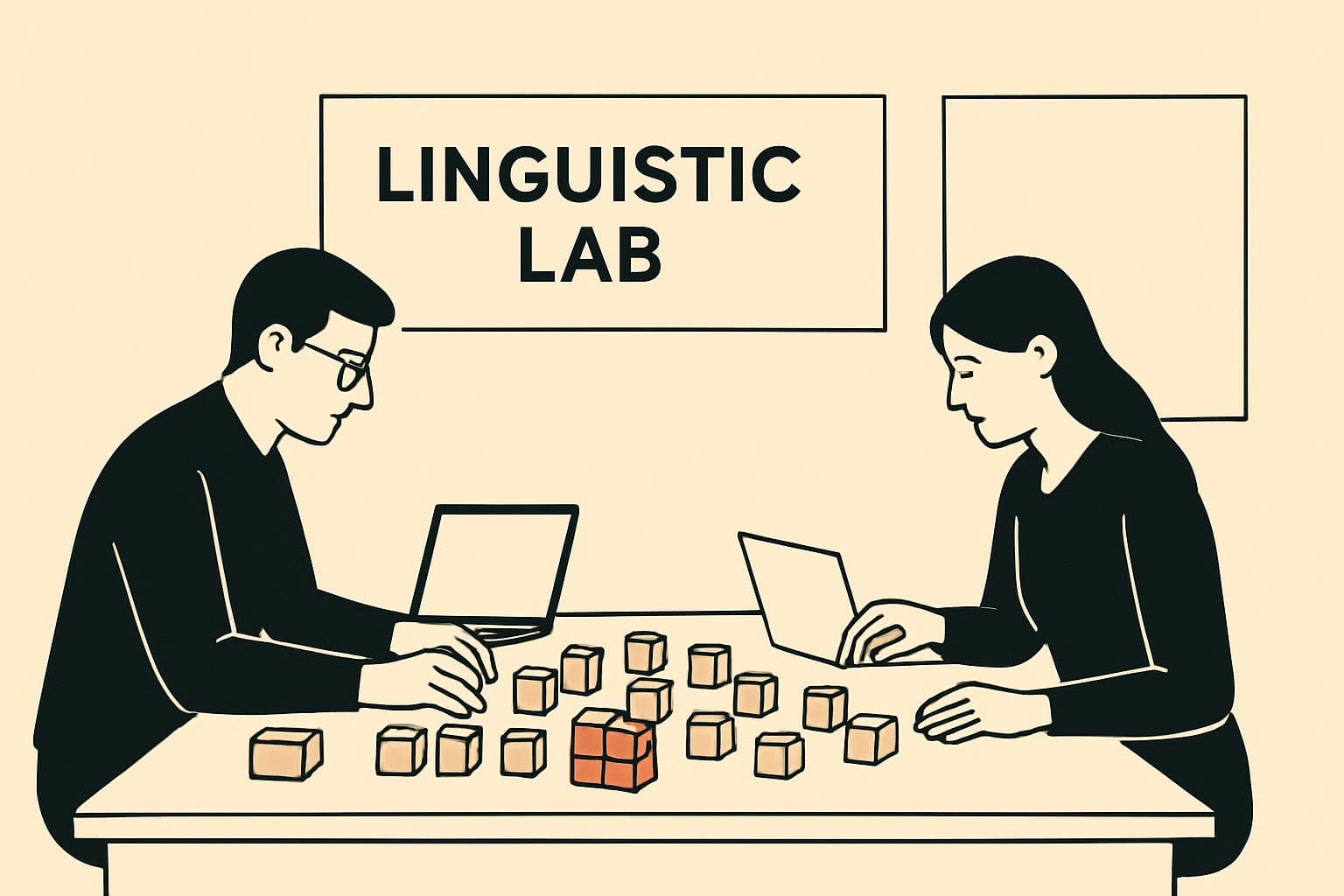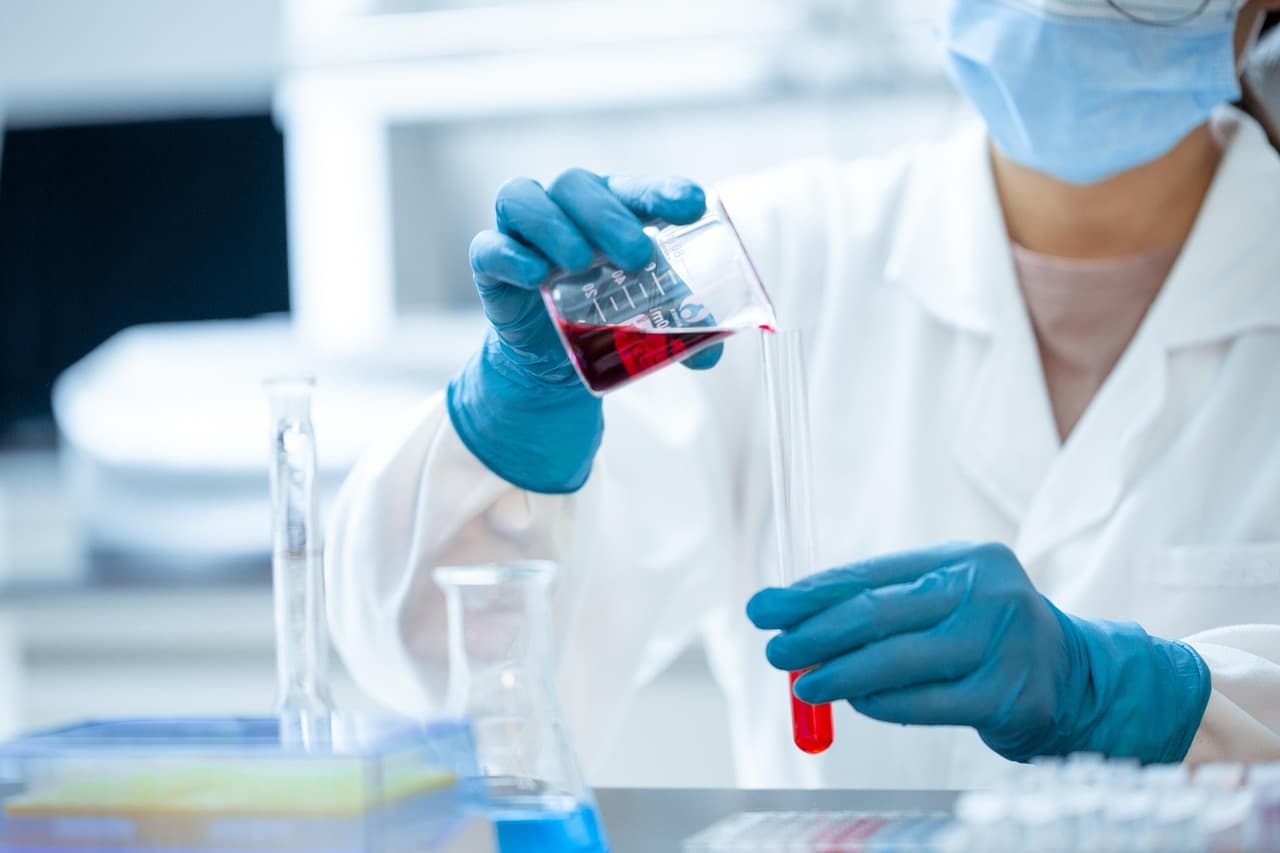
C5R Corp's SciUniverse is a benchmarking suite designed to evaluate how well AI systems can operate in partially automated scientific laboratories. The project tests how models perform when given access to automated equipment for tasks such as molecule synthesis, X-ray measurements, or pellet pressing.
What SciUniverse includes
The benchmark comprises 92 tasks organized into 17 task families that cover a broad range of laboratory workflows. The tasks address:
- basic sample preparation,
- instrument control,
- protocol adaptation,
- learning across experiments,
- facility management,
- and interpretation of real measurements.
Domains covered include chemistry (for example, assigning structures from NMR data), biology (for example, expressing sfGFP in a cell-free system), and materials science (for example, pressing BaTiO3 pellets).
Model performance and costs
According to SciUniverse, Claude Fable 5.1 (xhigh) leads with a 45.3% pass rate and an average cost-per-task of $40.61. GPT-5 Astra (xhigh) follows with a 32.5% pass rate and $52.37 per task, and Claude Opus 5 (xhigh) registers a 30.5% pass rate and $46.31 per task.
These results indicate both progress and limitations: leading models succeed on many tasks but are still far from fully reliable, error-free automated scientific operation, and the monetary costs per task are nontrivial.
Why this matters
Research like SciUniverse helps quantify how well advancing AI capabilities can translate into practical, laboratory-level impact. Just as 2026 has provided several "warning shots" about AI systems' growing abilities to perform automated AI R&D, these benchmark results serve as early indicators of how quickly AI systems are improving at performing increasingly automated scientific work.
The benchmark's detailed breakdown of lab workflows and its quantitative comparisons across models are useful for researchers and infrastructure developers who are planning or evaluating more automated laboratory systems.
Conclusion
SciUniverse shows that state-of-the-art AI models are already capable of carrying out many tasks in automated or partially automated labs, but full automation will require further model improvements and careful cost–benefit considerations. Continued benchmarking and model development will be necessary to move toward more reliable and efficient automated scientific systems.