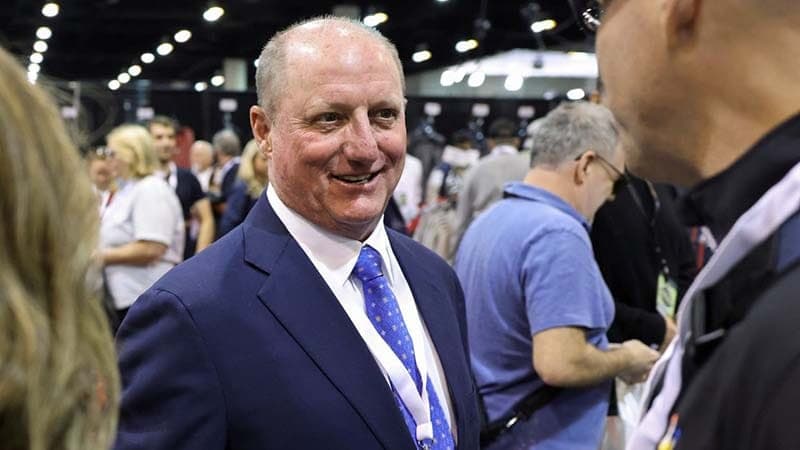
Greg Abel, who became CEO of Berkshire Hathaway in January, authorized $16.8 billion in equity commitments over two days. Of that amount, $10 billion was invested into Alphabet (Google’s parent company) via a private placement. That purchase is part of Alphabet’s broader $80 billion capital raise intended to fund artificial-intelligence development.
Why it matters
- Berkshire Hathaway’s traditional approach emphasized patience: holding cash and generally avoiding heavy tech exposure. Warren Buffett has at times acknowledged mistakes related to Google investments.
- Abel’s move is his first major outward swing as CEO and signals that even traditionally conservative capital allocators are being drawn into AI-related investments.
- At the same time, Alphabet continues to generate substantial free cash flow yet still opted to raise $80 billion to underwrite AI capex. The dynamic shows AI spending is large enough to both pull disciplined capital off the sidelines and require outside financing even from the richest tech firms.
Concrete effects and positioning
- Berkshire began buying Alphabet shares last year under Warren Buffett and held $16.6 billion of the stock as of March 31. This new $10 billion tranche increases that holding and pushes Alphabet into Berkshire’s top-five equity positions.
Takeaway
Greg Abel’s early major investment decision channels significant capital into a tech company as part of AI financing. The deal underscores that AI’s funding needs are reshaping traditional investment behavior and corporate financing: major disciplined investors are deploying cash while major tech companies are tapping external capital to scale AI projects.