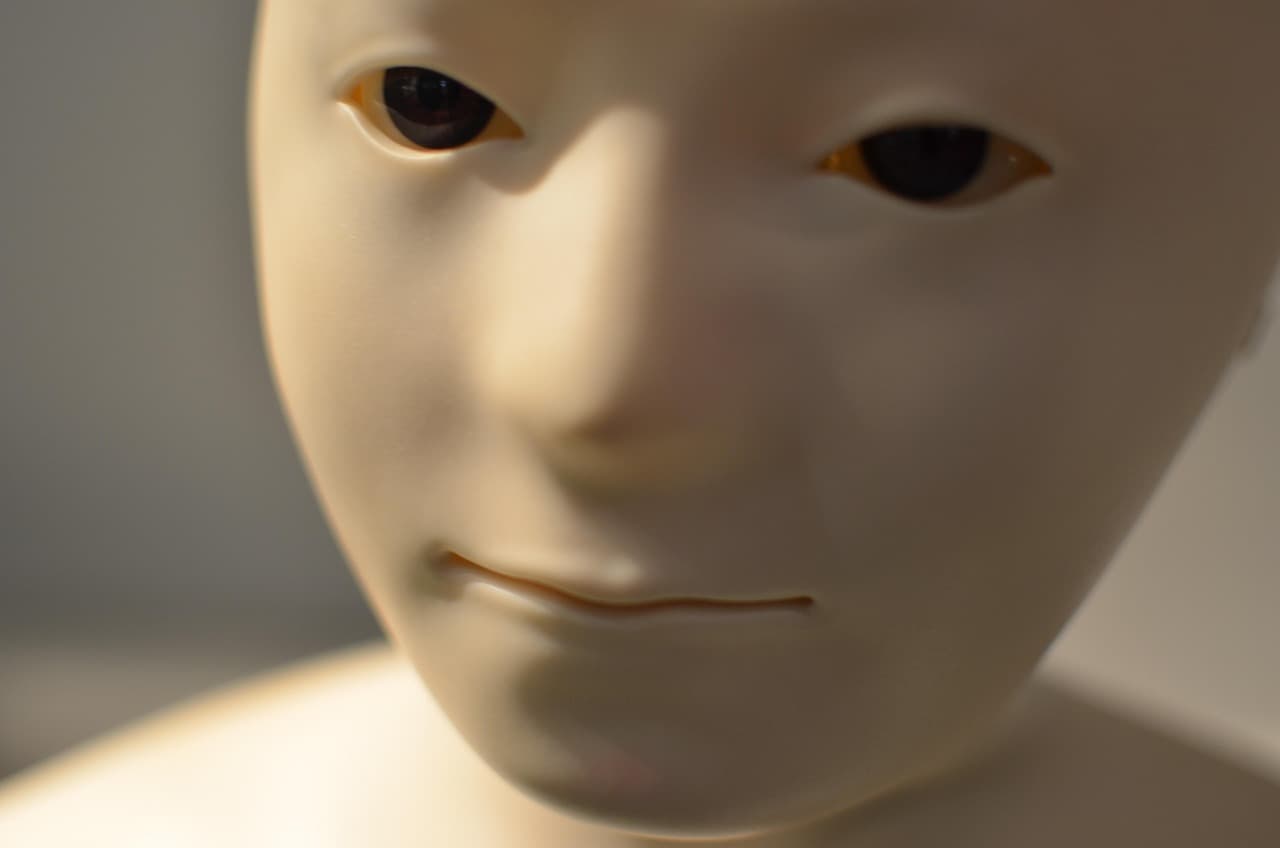
Bosch executives say the spread of humanoid robotics will raise demand for the company's components and solutions, presenting a multibillion-dollar market opportunity. At the 2026 Bosch Connected World exhibition in Berlin, Stefan Hartung, chairman of the Bosch Group management board, argued that AI systems today learn primarily from text-based internet data, but will soon increasingly learn from the physical world — as humans do.
Tanja Rückert, member of the management board responsible for digitalisation, stressed that Bosch does not aim to be a manufacturer of humanoid robots. Instead, she described the company as positioning itself as a leading supplier and partner of the "brain and nervous system" of modern automation and robotics. Rückert said Bosch considers itself "the bridge between the physical world and AI," a role supported by its advancing sensor technologies.
Core products and technologies
Bosch highlighted its ctrlX AUTOMATION platform, which enables intelligent and flexible robot control. The company is also focusing on micro-electromechanical systems (MEMS) sensors that give robots their sensing capabilities. These sensors are essential for robots to handle objects with the required finesse and to respond sensitively to physical touch — for example, by adjusting grip force for a heavy object or a delicate stemmed glass.
Stefan Hartung used an illustrative comparison: humans have about four million touch receptors. Equipping robots with the same number of sensors would mean the world’s current annual sensor production could supply only roughly 12,500 robots. He used this example to underline the scale of the automation and robotics opportunity and the challenge of ramping sensor production.
Hartung cited figures from Yole Group showing the MEMS-sensor market is expected to grow at an average annual rate of 4 percent and exceed US$19.2 billion by 2030.
Strategic moves and international focus
At the Berlin event organisers recalled the creation of Robert Bosch Robotics GmbH, a specialised unit focusing on developing and selling new robotic solutions. Conversations at the fair also touched on Bosch’s operations in China, where the company is increasingly concentrating on physical AI development and on helping bring robotics solutions to market.
In addition to sensors and control platforms, Bosch offers complex modules and subsystems that provide robots with the necessary performance, speed and precision.
Two-tiered use of AI at Bosch
Tanja Rückert explained that Bosch applies AI on two levels. First, cloud-based AI models are brought directly into physical products to enable automated operation. Second, AI is used within manufacturing processes — for production optimisation, predictive maintenance and optical defect detection. These systems are underpinned by Bosch’s data repository, which covers more than 230 of the company’s production sites.
Bosch also reported the results of its global AI survey: across seven countries and more than 11,000 respondents, a majority view artificial intelligence as one of the most influential and beneficial technologies for the coming years. Seventy percent of respondents consider AI indispensable for the future.
Why it matters
Bosch believes that humanoid robotics and physical AI represent not only technical advances but a substantial market opportunity for suppliers. With control platforms, MEMS sensors and subsystem offerings in its portfolio, the company aims to secure a strategic position within the robotics ecosystem and to transfer automation expertise across industries, from vehicles to factories and homes.
Taken together, the statements in Berlin portray Bosch as a company building a bridge between virtual AI models and physical machines — preparing for a future where more robots that sense and learn in the real world will create increased demand for Bosch components and software.