Bryce Vincent Gowryluk, a 16-year-old Canadian, was rescued by helicopter from a narrow rock ledge on Crown Mountain after he ended up on technical, unmarked terrain rather than the planned route. For part of his route planning he used digital maps, hiking apps and Anthropic’s Claude chatbot.
How the hike unfolded
Gowryluk set out on what he expected to be an eight-hour, difficult mountain hike in the hills near Vancouver. He began from the summit area of Grouse Mountain (around 1,250 metres) and was aiming for Crown Mountain’s 1,504-metre peak. Although he hikes regularly, trains at an indoor climbing gym and had previously reached Crown Mountain’s summit, he did not know this specific route.
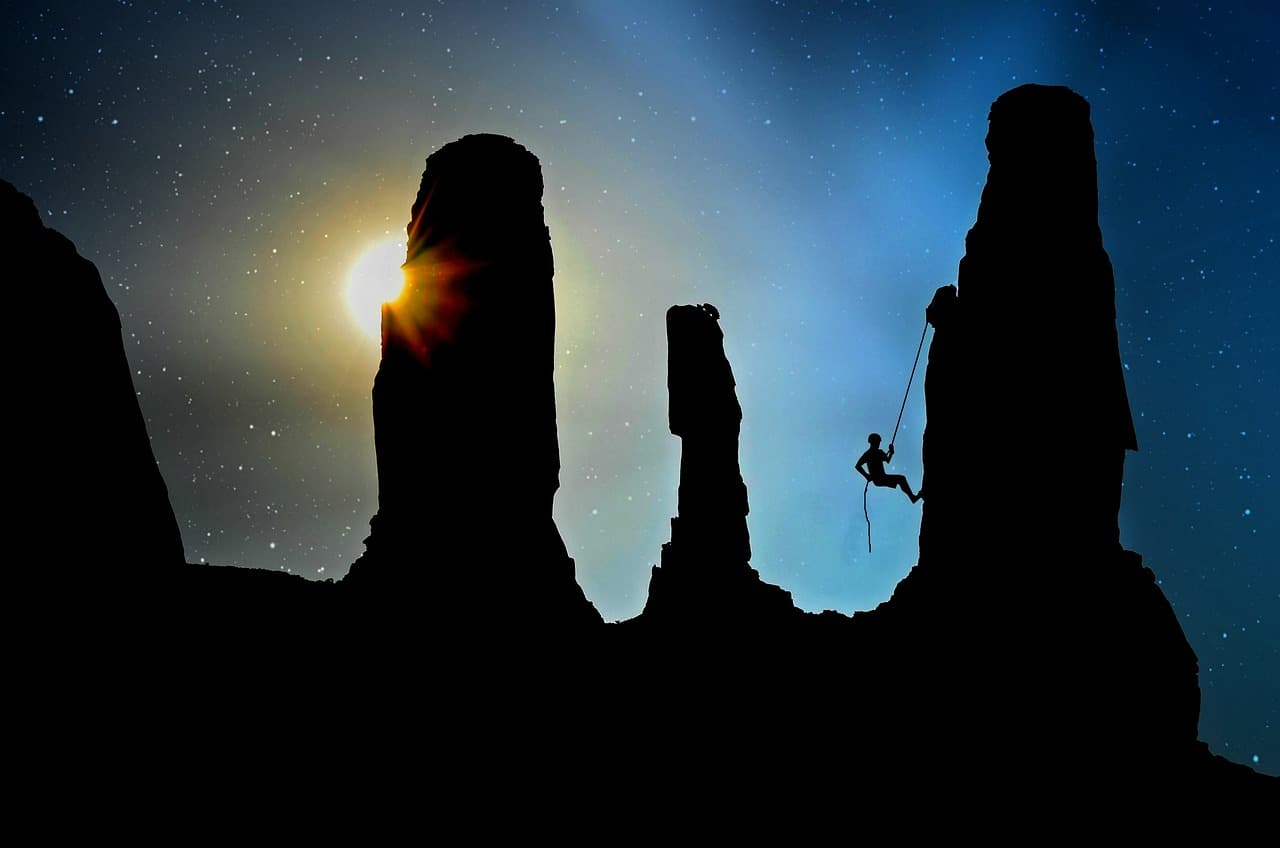
During planning he consulted multiple digital tools, including Claude, and on the ground encountered steep, rocky sections. With no marked trail, he believed he was heading toward the Crown Couloir — an unmarked, steep route that gains roughly 400–500 metres of elevation toward the summit and sits on the boundary between hiking and technical scrambling. In reality he had wandered onto the Widowmaker Arete, a steep, exposed rock formation that typically requires ropes and climbing gear.
Rescue and condition
Gowryluk had a harness, helmet and climbing shoes, but Paul Markey, the rescue leader at North Shore Rescue, said that gear was not sufficient for the technical climbing situation he found himself in. The terrain grew progressively more difficult until he was stranded on a roughly one-and-a-half-metre-wide ledge with a steep drop behind him and an almost vertical rock wall ahead.
Realizing he could not safely continue or retreat, he called his mother and then police. North Shore Rescue remotely located him by phone and dispatched a helicopter. Because of the cliff proximity the helicopter could not land directly; two rescuers rappelled to the rock above the ledge, one descended on a rope to reach Bryce and guided him to a safer spot from which the helicopter could extract him. He was rescued unharmed. While awaiting the rescue, two climbers who heard his calls provided a survival blanket and food; Bryce gave them a headlamp in return.
Warnings and aftermath
After the rescue Paul Markey warned against relying solely on artificial intelligence for route planning and advised against solo climbing. He said AI recommendations should be treated with appropriate terrain knowledge and judgement.
Bryce later said he does not blame Claude and considers the incident his own mistake. He does not plan to give up climbing — one of his goals is to become the youngest Canadian to summit Mount Everest — but he said he will no longer use AI to plan hiking routes, though he will keep using AI for learning, organization and business tasks.
Broader context: AI in real-world decision-making
The New York Times coverage emphasizes that the chatbot’s role was real but not exclusive: other factors — solo travel, lack of local knowledge, misjudging the terrain and not identifying a turn-around point — were equally important. In recent years there have been multiple incidents in which AI system outputs became risk factors in real decisions, including hiking, mental-health crises and medical or legal situations.
The broader lesson is not that AI is inherently dangerous, but that confident machine answers can be harmful when users treat them as authoritative action guides without professional oversight, terrain experience or sober second assessment. This rescue is a reminder that digital planning tools and chatbots can be useful aids, but they do not replace local knowledge, proper equipment and cautious decision-making in hazardous environments.