Christopher Nolan, the Oscar-winning director whose new film The Odyssey is currently performing strongly at the box office, shared his thoughts on artificial intelligence (AI) in a recent interview. Responding to Hugo Travers (who publishes on YouTube as HugoDécrypte), Nolan said he finds the widespread skepticism toward AI, especially among young people, to be “pretty encouraging.”
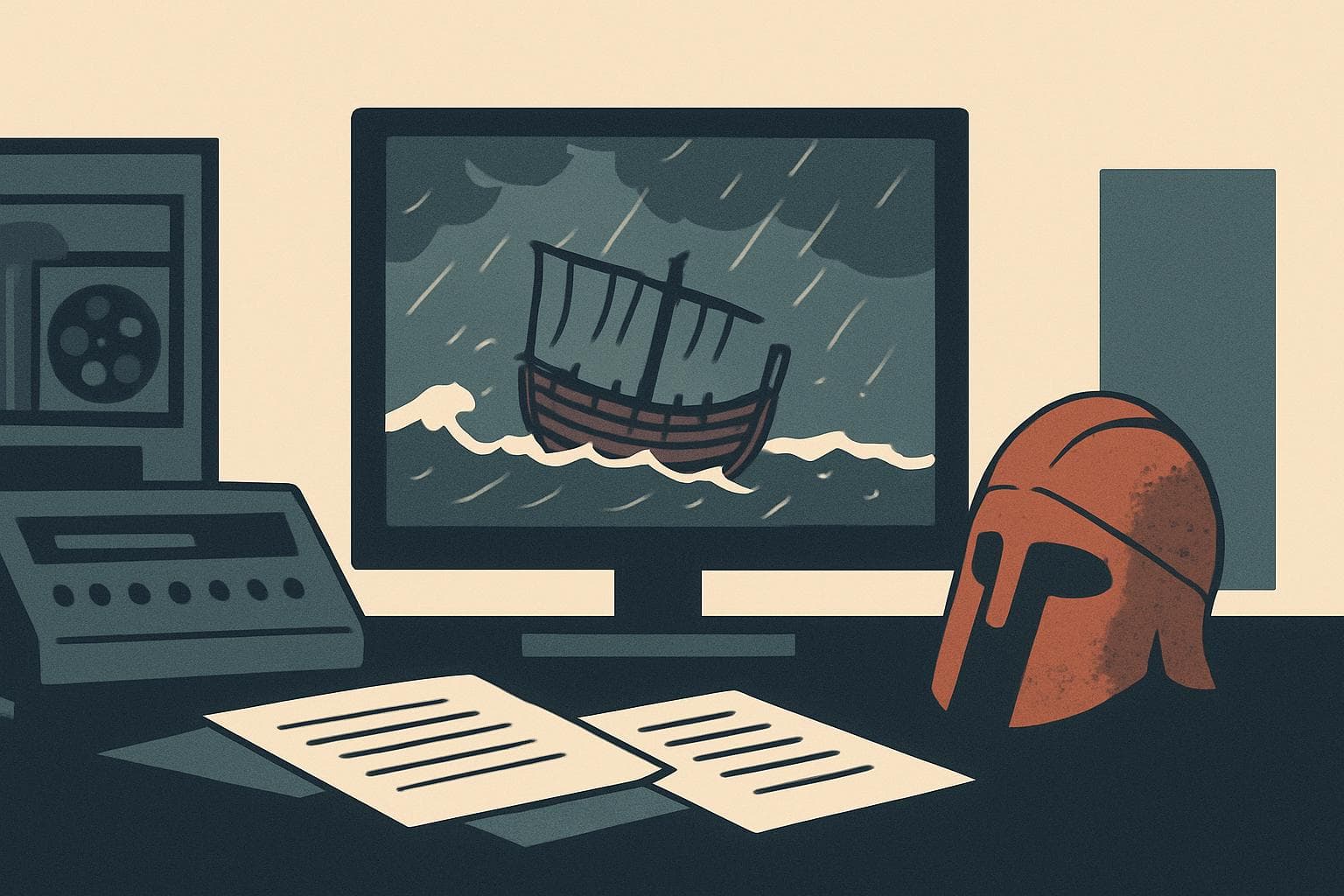
Travers referenced the legendary Trojan horse motif that figures prominently in Nolan’s film — suggesting that, like the horse which concealed Greek invaders, AI might be welcomed into daily life only to reveal a darker purpose. Nolan laughed and replied, “I think AI is a Trojan horse that everybody knows the Greeks are inside.” He later described the technology as “a transparent horse, it’s made of glass.”
Nolan noted he has never seen a technology advance so rapidly while being so thoroughly rejected by the public. “Everybody’s suspicion of it is so extreme, particularly young people. The reaction to AI videos online and people my children’s age immediately calling it ‘AI slop’ and coining that term and just putting it in a box,” he said.
He called that skepticism healthy: technology can provide great gifts, but it must be viewed critically, as must the motives of those offering it. “That’s when we’ll get the best out of a new technology, rather than just blind faith that everything’s going to be great,” Nolan said.
Nolan did not elaborate on specific threats he sees from AI. However, the technology has become an increasing concern in Hollywood and was a significant issue during the writers’ and actors’ strikes of 2023. The Directors Guild of America — where Nolan serves as president — also secured some protections regarding generative AI in its most recent contract.
The director has long been wary of some modern technologies (for example, smartphones), and his commitment to film can make him appear both a Luddite and an innovator: The Odyssey is the first feature film shot entirely on IMAX film using IMAX cameras.
When asked by The New York Times whether he considers himself a technophobe, Nolan said he sees himself as a “techno-skeptic,” arguing that film better represents how the eye sees the world than any digital imaging system he has encountered. “I embrace new technology all the time, but it tends to be sold to people at the expense of systems that might still be valid and viable,” he said. “That’s what I saw in my industry — throwing the baby out with the bath water. We almost lost film!”
Separately, the film attracted controversy when SpaceX CEO Elon Musk angrily posted about its nonwhite and transgender cast members.
Why this matters
Nolan’s remarks highlight how public distrust — particularly among younger audiences — is shaping the conversation around rapidly advancing AI technologies. The debates and protections emerging in Hollywood, along with broader public skepticism, signal that questions of regulation, ethics, and the intentions of technology providers will be central to how AI is adopted going forward.