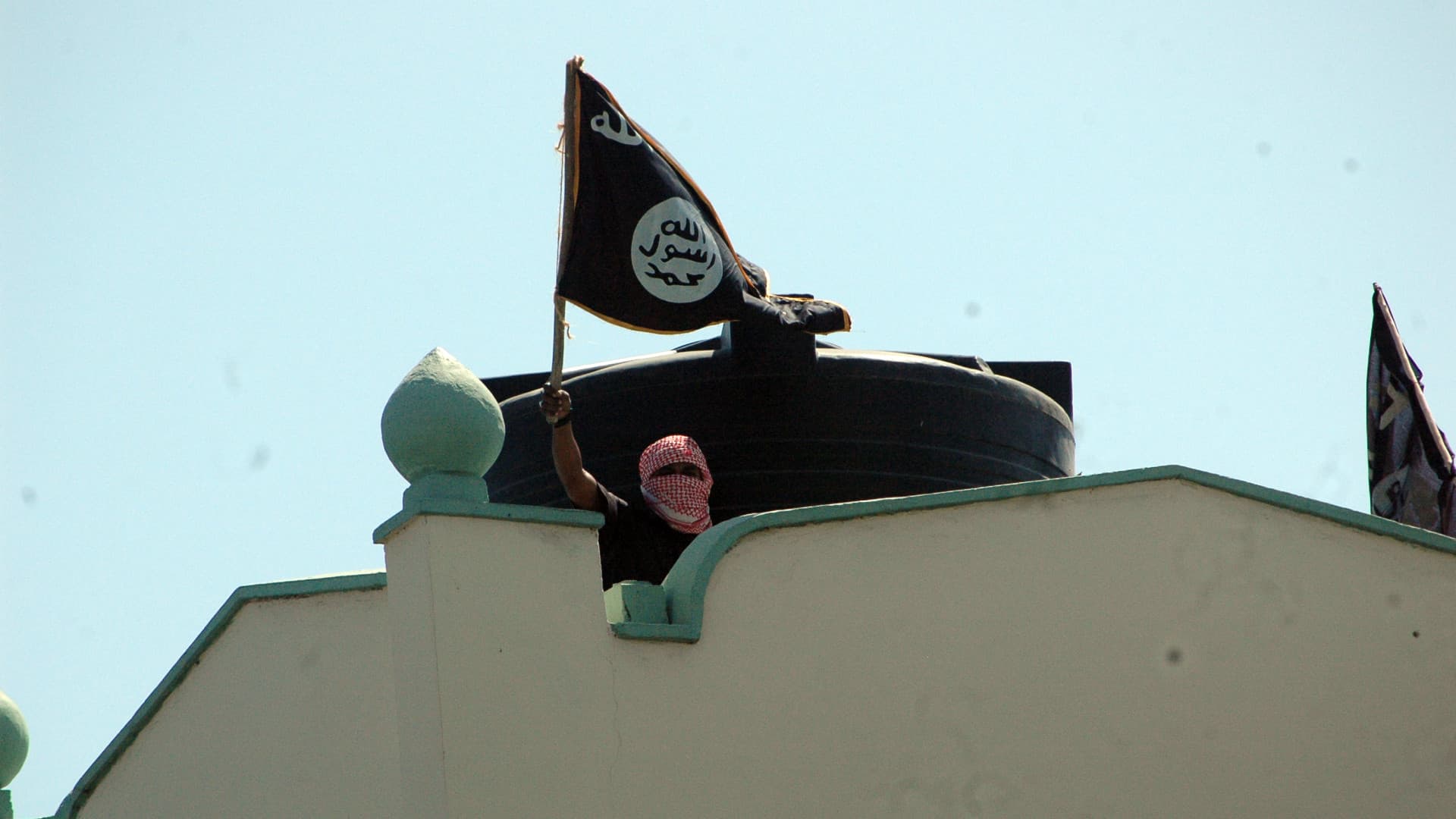
The Center for Strategic and International Studies (CSIS), in its "2026 Global Terrorism Threat Assessment," warns that jihadist activity is expanding across Africa from Somalia to the Sahel, and that steps taken by the United States to reduce its presence may be contributing to the deterioration. The report calls terrorism the continent's "greatest source of uncertainty."
Which groups are growing and how?
The assessment highlights that branches of al-Qaida and the Islamic State are among the groups gaining strength. Unlike many Middle Eastern terrorist organizations, most African terrorist groups are, the report says, on the rise and operate across larger areas in the region, allowing them to increase revenue-generating activities.
As a concerning development, CSIS notes that radical groups are increasingly adopting modern warfare tools; the report specifically mentions the appearance of drones and use of artificial intelligence. This technological uptake poses novel challenges for regional states and international partners and calls for updated responses, including procurement of emerging weapons systems.
The complexity of the technological race
CSIS points out that the intensifying technological competition makes it unclear how authorities can effectively counter these radical groups. The study also warns that trainers arriving to the region are teaching modern combat techniques, further elevating the threat.
Scale and consequences of the U.S. withdrawal
The CSIS analysis states that the United States has reduced its military presence in Africa by roughly 75 percent in recent periods. That decision has drawn criticism from several leaders. General Dagvin Anderson, head of AFRICOM, said the drawdown created an "intelligence black hole" on the continent and warned that sharply reduced budgets jeopardize the ability to respond adequately to regional crises.
Although U.S. President Donald Trump has recently given more attention to the Sahel, CSIS concludes that the overall picture is bleak: the superpower's withdrawal has materially contributed to the expansion of Islamist terrorist influence.
Why this matters
The report argues that the spread and technological evolution of jihadist groups are not only regional security problems but continental risks. Reduced military presence and the spread of modern tools demand new types of responses from African states and international partners to limit further destabilization and the growing influence of terrorists.
Key points
- CSIS's "2026 Global Terrorism Threat Assessment" finds jihadism strengthening from Somalia to the Sahel.
- African affiliates of al-Qaida and the Islamic State are expanding their influence.
- Radical groups are adopting modern tools such as drones and artificial intelligence.
- The United States has reduced its military presence in Africa by about 75 percent, creating an "intelligence black hole," according to AFRICOM commander Dagvin Anderson.