On Feb 26, 2026 Dario Amodei, a leader at Anthropic, published a public statement saying the company will not remove two specific safeguards that the Department of War (as named in the statement) has requested.
What Anthropic said
Anthropic explained why it considers it a moral and security responsibility to refuse certain uses of its AI. The company said its Claude model is widely deployed across the Department of War and other national security agencies — including in classified government networks, at National Laboratories, and in mission-critical roles such as intelligence analysis, modeling and simulation, operational planning, and cyber operations. Anthropic asserts it was among the first frontier AI firms to deploy models in US classified networks and to provide custom models for national security customers.
The statement also recounts steps Anthropic says it has taken to protect US advantage in AI, even when costly: foregoing several hundred million dollars in revenue to block Claude access by firms linked to the Chinese Communist Party (some of which the Department of War has designated as Chinese Military Companies), stopping CCP‑sponsored cyberattacks that tried to abuse Claude, and advocating for stronger export controls on chips.
The two refused use cases
Anthropic named two applications it will not agree to in contracts with the Department of War:
-
Mass domestic surveillance: Anthropic supports lawful foreign intelligence and counterintelligence missions, but it says using AI systems for mass domestic surveillance conflicts with democratic values. The company warns that current law has not kept pace with AI’s growing capabilities, and that powerful AI can assemble dispersed, individually innocuous data into a comprehensive, automated picture of a person’s life at scale.
-
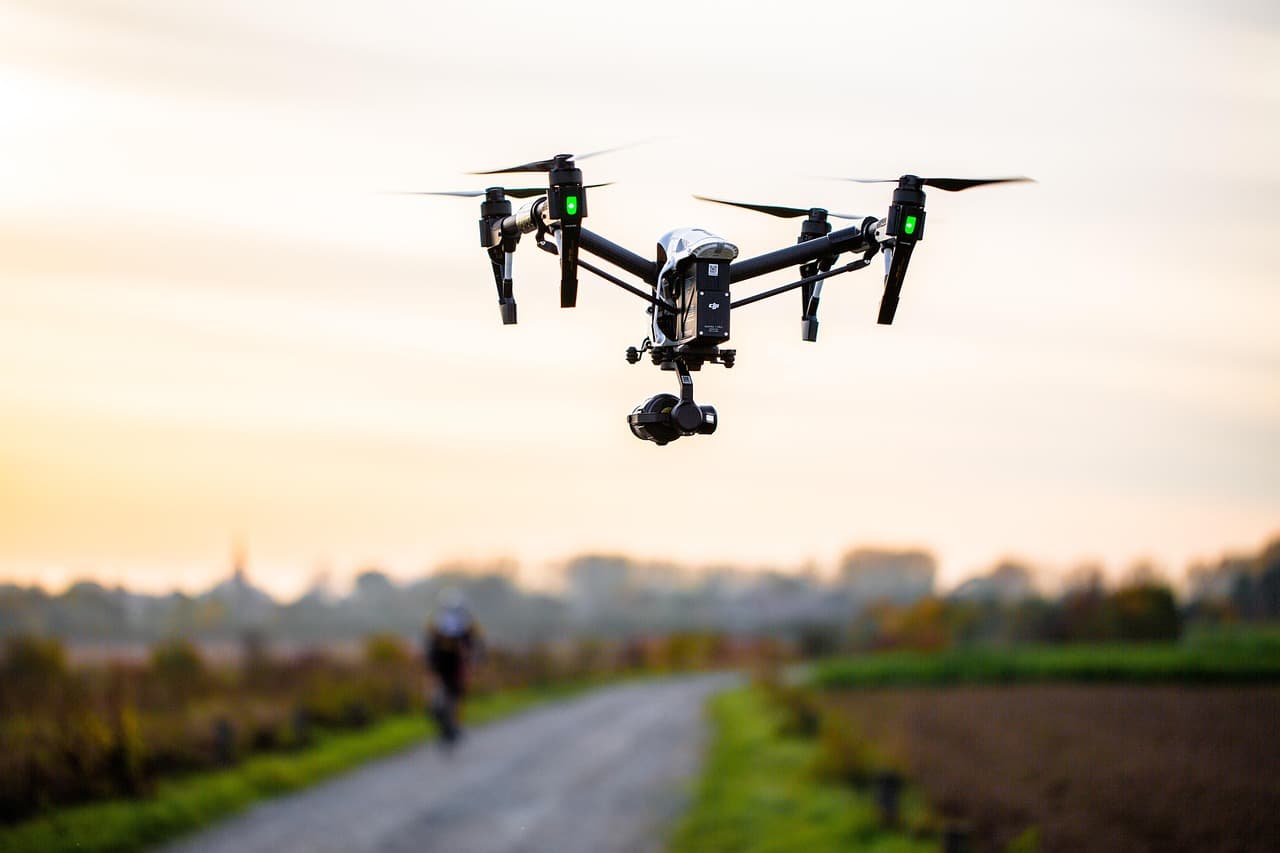
Fully autonomous weapons: Anthropic distinguishes partly autonomous weapons — which it acknowledges are important today, including in Ukraine — from fully autonomous systems that would select and engage targets without human involvement. While such systems might be militarily important in the future, Anthropic argues that present frontier AI is not yet reliable enough to power fully autonomous weapons safely. The company says it will not knowingly supply a product that endangers US warfighters or civilians, and it notes that the necessary oversight and guardrails for such systems do not exist today.
Anthropic says it offered to work directly with the Department of War on research and development to improve the reliability of such systems, but that the department did not accept this offer.
The Department of War’s stance and threats reported by Anthropic
According to Anthropic, the Department of War has required that it only contract with AI companies that accept an "any lawful use" clause and eliminate the safeguards Anthropic seeks to keep. Anthropic reports that the department threatened to remove its systems from government use if Anthropic maintained those safeguards; it also says the department threatened to label Anthropic a "supply chain risk" — a designation previously reserved for US adversaries and not applied to an American company — and to use the Defense Production Act to force removal of the safeguards.
The company notes these actions are internally inconsistent: on one hand treating Anthropic as a security risk, and on the other treating Claude as essential to national security.
Next steps
Anthropic’s position remains firm: it will not comply with the department’s request to remove the two named safeguards. At the same time the company says it prefers to continue supporting the Department of War and US forces with those safeguards in place. If the department chooses to offboard Anthropic, the company pledges to enable a smooth transition to another provider to avoid disruption to military planning, operations, or other critical missions. Anthropic also says its models will be available on the broad terms it has proposed for as long as required.
The statement closes by reiterating that Anthropic is ready to continue work in support of US national security, while expressing concern about the suitability of current frontier AI for fully autonomous weapons and mass domestic surveillance.
Why this matters
The dispute highlights growing tensions between private AI companies and defense authorities over acceptable uses of AI, the balance between national-security needs and civil liberties, and the government’s tools — such as the Defense Production Act — that could be used to influence American technology firms.
(The statement: Dario Amodei, Anthropic; published Feb 26, 2026.)