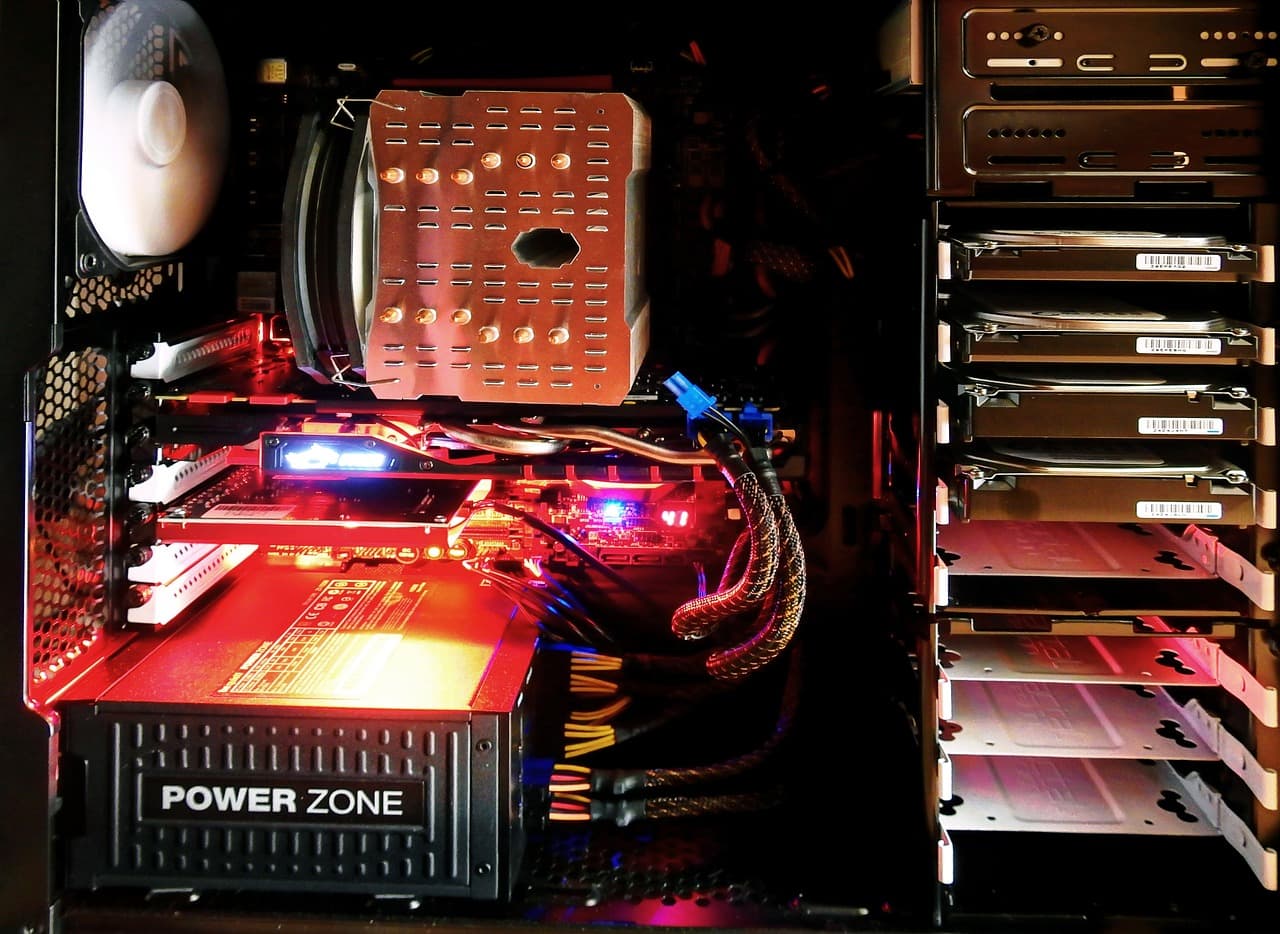
The expansion of artificial intelligence (AI) is increasing demand for server capacity and thus for data centers. One of the least visible but most important operational requirements of these facilities is cooling: cooling systems can account for roughly 40 percent of a data center’s total electricity use and play a decisive role in determining water demand. In Hungary, where drought periods are becoming more frequent, the issue carries particular weight.
How much does the cooling technology matter?
Research by Xylem and Global Water Intelligence has shown that for the same compute capacity, choice of cooling technology can lead to up to a tenfold difference in water consumption. This means a data center’s water needs cannot be inferred from capacity alone: technology, peak summer demand, water source and drought contingency plans all determine actual requirements.
Example: planned AI campus near Paks
A practical illustration is the sAI project announced near Paks in 2025: at its core is a proposed data center of nearly 100 megawatts. Daily cooling-water needs for a facility of that size could range from about 5,500 cubic meters to only 650 cubic meters depending on the cooling solution. The higher figure corresponds roughly to the daily water use of a town of about 50,000 inhabitants, the lower to roughly a 6,000-person town. These differences underline why detailed planning is necessary when assessing impacts.
National strategy and risks
Hungary’s AI strategy targets a tripling of compute capacity by 2026, which will require expanded infrastructure. At the same time, the 2026 drought on the Danube showed how limited water resources can threaten critical infrastructure — it forced a shutdown of blocks at the Paks Nuclear Power Plant. For a new data center, such risks must be considered at the design stage, especially in regions where climate change increases the likelihood of drought.
The dilemma: water or energy?
There are two basic approaches to cooling servers: air cooling and water-based cooling. Air cooling typically uses less water but consumes more energy; water-based approaches (for example evaporative cooling or direct liquid cooling) can be more energy-efficient but require more water. The choice depends on local climate, water availability, energy prices and the planned capacity of the data center.
As Gampel Tamás, sales director at Xylem, puts it: "There is no single silver-bullet solution — each data center must weigh where the water and energy use is optimal." He adds that where water is abundant, water-based cooling can save energy, while in water-scarce areas the trend should be toward energy-efficient solutions and water reuse.
Where the biggest savings can be found
A significant portion of a cooling system’s energy demand comes from circulating the coolant — i.e., pumping. Modern variable-frequency-drive pumps adjust operation to the actual thermal load instead of running at full power continuously; such intelligent pump systems can cut pumping energy use by up to about 40 percent compared with conventional solutions. Intelligent systems also increase reliability through remote monitoring and predictive maintenance.
Planning and social acceptance
Cooling is no longer merely a technical detail: it affects a project’s resource needs, operating risks and how neighboring communities perceive it. International cases — such as resident resistance in Kronstorf, Austria, or debates in Wisconsin, USA, where data-center water and energy use became an issue in a gubernatorial campaign — show that the environmental impacts of cooling can become central public controversies.
For these reasons, cooling, water management and energy use should be addressed together early in the design process. This approach helps meet tightening EU requirements, reduces operating costs and resource use, and can improve social acceptance of new data-center investments. The choice of technology will shape a facility’s energy and water demands, operating costs and environmental risks.


