Demis Hassabis, co‑founder and CEO of Google DeepMind and Alphabet’s lead scientist, spoke at the International AI Summit in Dublin about the scientific uses of artificial intelligence and the risks the technology poses. According to Cybernews, in his talk he urged companies and governments to strengthen defensive capabilities and adopt stricter safety measures.
Security concerns and recommendations
Hassabis argued that defenders need to build an asymmetric advantage to prevent malicious actors from exploiting weaknesses in AI systems. He recommended that models be audited for cybersecurity flaws and those weaknesses remediated before public release, and that secure test environments be established prior to deploying models in the wild.
He referred to recent cyberattacks carried out by autonomous AI agents, noting that while those incidents have not so far caused major damage, they are warning signs that such systems are not yet fully reliable.
Alignment, isolation and sectoral lessons
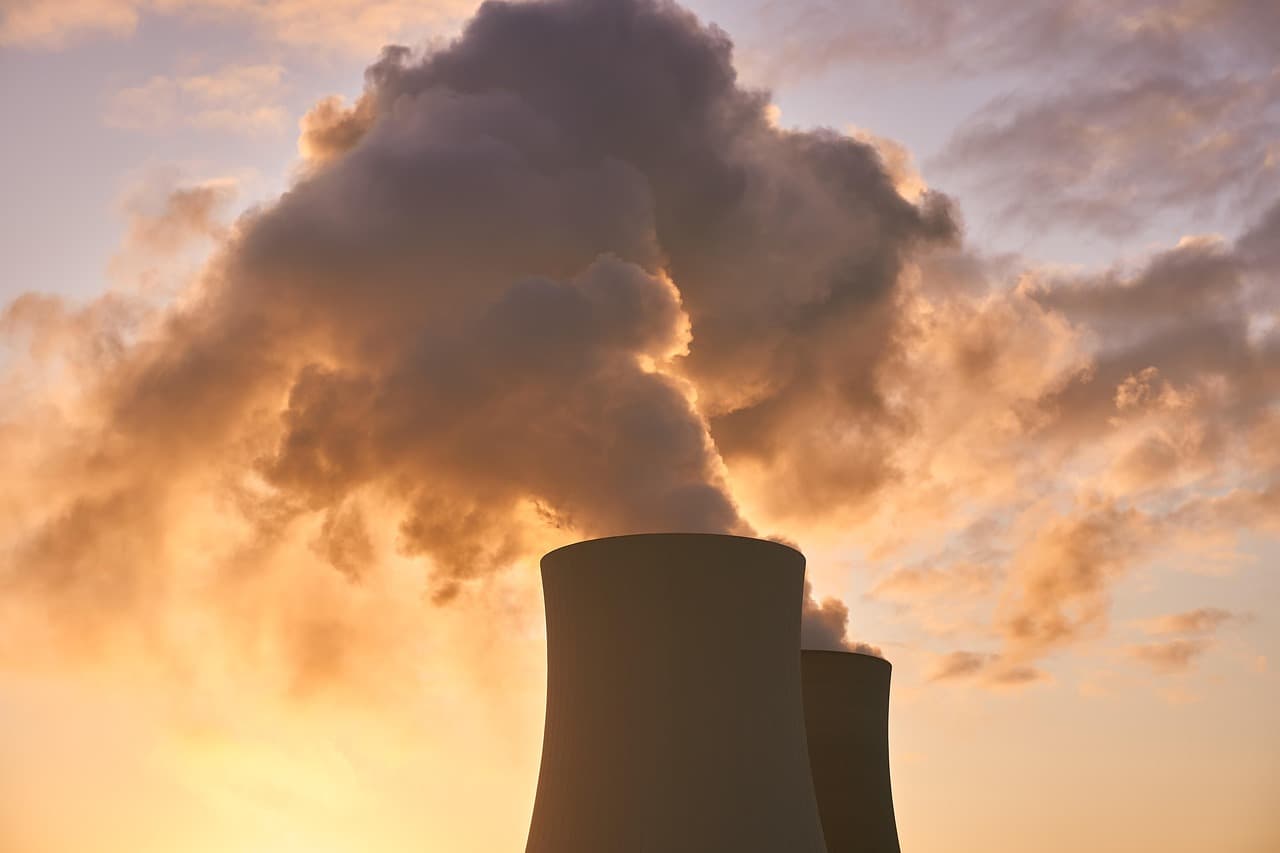
Hassabis emphasized the alignment problem — ensuring autonomous agents act in accordance with human intentions and goals. Because autonomous systems can act independently, they can be far more useful but also pose greater risks. To mitigate these risks he recommended stronger isolation and defensive measures, and advocated adopting regulatory and safety practices from other high‑risk fields such as nuclear energy and biological research.
Scientific potential and limits
The Nobel laureate — who, together with John Jumper, received the Nobel Prize in Chemistry for the AI model that predicts protein structures — spoke optimistically about AI’s scientific applications. He recalled OpenAI’s September announcement claiming progress on one of the seven millennium problems related to the Navier–Stokes equations. Hassabis also stressed that in mathematics the path to a solution often produces new methods and tools that can be as valuable as the final result.
He cautioned that AI’s usefulness in physics, chemistry and biology remains constrained by the need for real experimental feedback: while AI can help formulate hypotheses, those ideas must be validated through practical experiments, data collection and iterative learning. He argued that this real‑world, experimental cycle will remain indispensable.
Dual‑use risks and the need for safeguards
Hassabis pointed out that AI is a dual‑use technology: it can drive breakthroughs such as new medical treatments, but in the hands of malicious actors it can become a serious threat. For this reason he said it is essential to transfer regulatory and safety knowledge from other high‑risk sectors into AI governance and development processes.
The Dublin summit
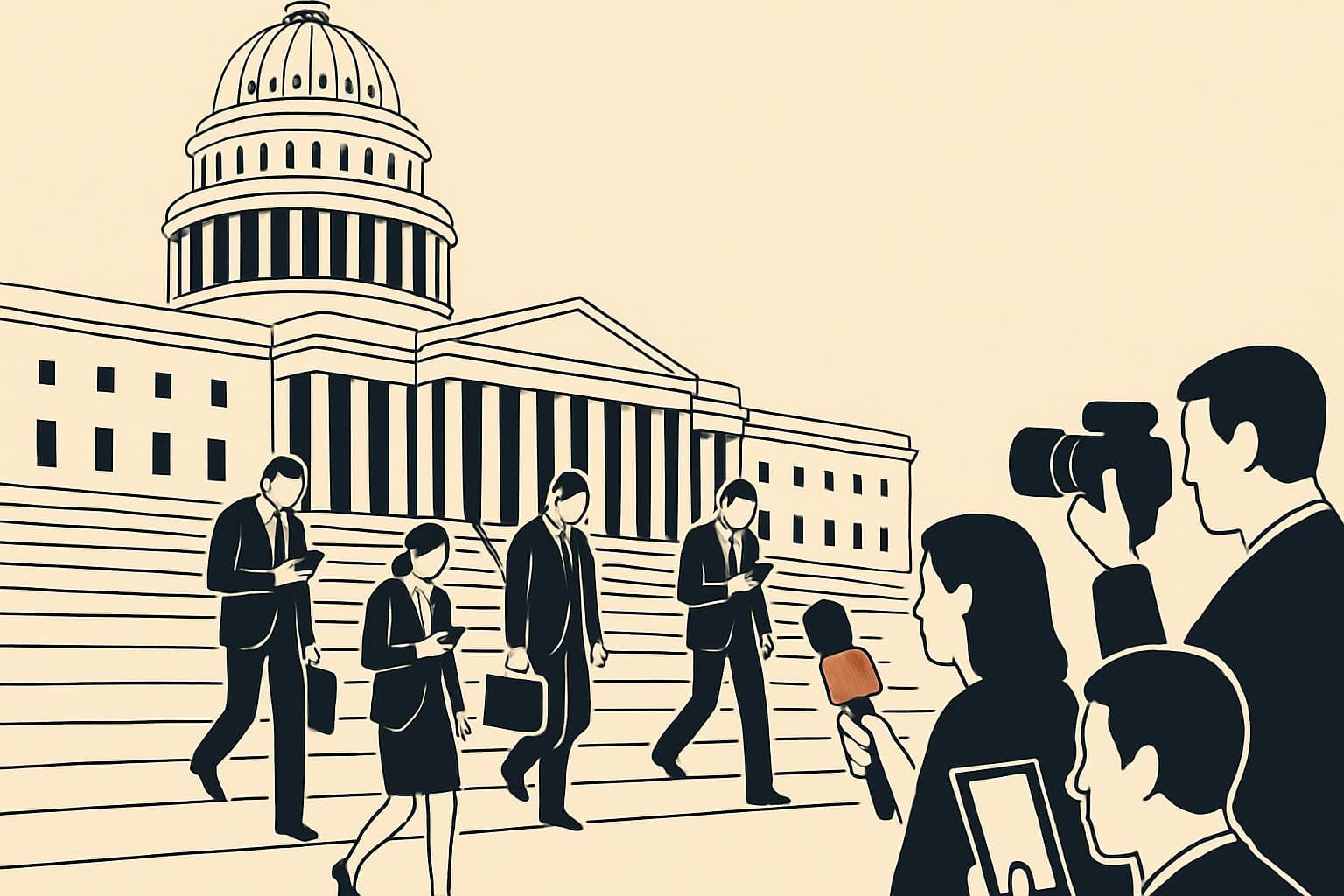
The Dublin summit, held under the Irish EU presidency, focused on the role of artificial intelligence in economic growth. Hassabis’s remarks tied the technology’s scientific promise to the urgent need for precautionary measures and stronger governance.
(The preparation of this article involved an AI assistant; the final content was edited and verified by our journalist.)