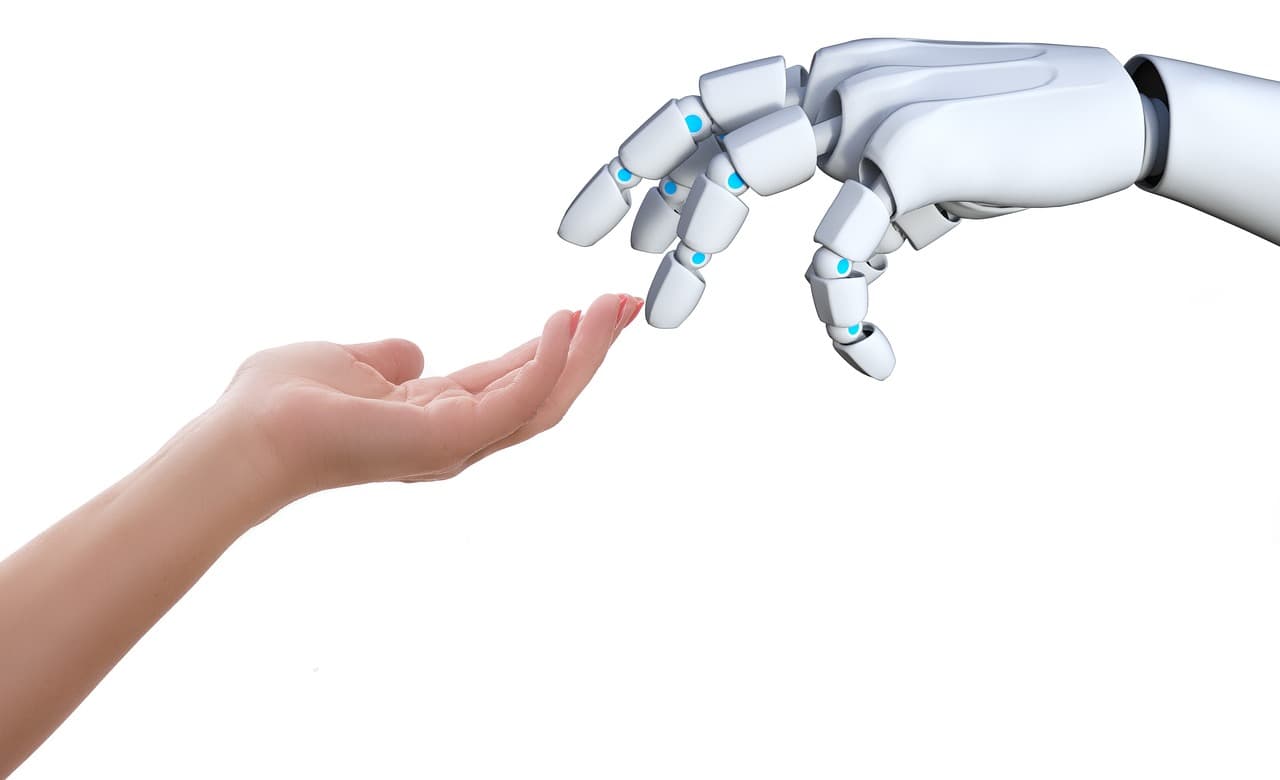
A Deutsche Bank, cited by MarketWatch, distinguishes between artificial general intelligence (AGI) and the universal “superintelligence” referenced by U.S. President Donald Trump. In the bank’s framing, AGI describes systems that match or exceed human performance on particular cognitive tasks, whereas the “superintelligence” Trump mentions would outperform humans across all intellectual domains.
A key requirement for achieving that universal superintelligence would be recursive self‑improvement — a process in which an AI system continuously and autonomously improves its own capabilities. Adrian Cox, thematic strategist at Deutsche Bank, and Azeem Azhar, founder of Exponential View, argue that fundamental limits on the speed and operation of AI systems make such unrestricted recursive self‑improvement unlikely.
Despite this, Deutsche Bank’s base scenario sees material productivity gains from AI adoption. The bank notes, however, that the very large, front‑loaded investments required to build AI infrastructure are currently damping measured productivity growth.
Analysts also point out that hyperscalers — the large technology firms spending heavily on AI — are significantly boosting revenues and profits for semiconductor manufacturers and other firms in the AI supply chain. According to the bank, these companies currently account for roughly one‑third to one‑half of U.S. economic growth.
The report highlights a related wealth effect: the ratio of U.S. equity wealth to income has risen from about 1.8 to nearly 2.5 over the past three years, a development that supports consumer spending.
Jim Reid, global head of macro and thematic research at Deutsche Bank, told a London event that since the Industrial Revolution each new technology has been accompanied by fear of job losses. Historical experience, he said, shows that productivity gains from new technologies ultimately generate sufficient demand, even though they change the composition of jobs.
Reid cited Henry Ford’s 1913 introduction of the moving assembly line as an example: automation initially provoked resistance but eventually made car production much cheaper, increased demand, and produced more jobs overall than it eliminated. He added that people currently lack imagination about what future jobs will look like, but he expects that productivity gains will be absorbed and new types of employment will emerge.
In sum, Deutsche Bank concludes that while unrestricted, all‑domain superintelligence driven by recursive self‑improvement is unlikely because of practical speed limits, AI is already set to have substantial economic effects, boosting productivity, shifting investment patterns, and affecting equity‑based household wealth.