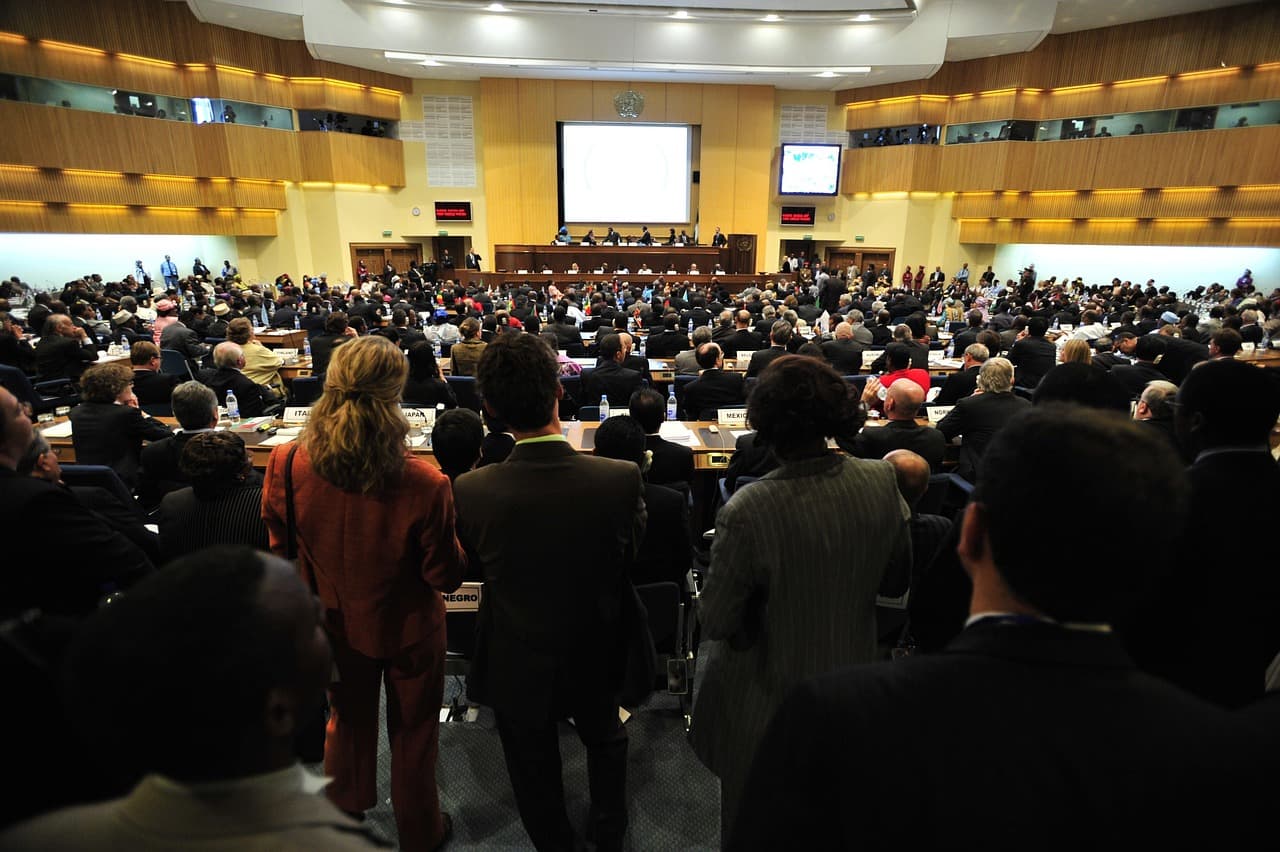
Donald Trump announced in remarks at the United Nations General Assembly that he will henceforth refer to "artificial intelligence" as "superintelligence." He said the United States will begin using the abbreviation SI instead of AI in government documents.
What he said and why
Trump argued that the term "artificial" implies something that is not real intelligence, and that "superintelligence" is a preferable label. He did not specify when the new terminology would be formally adopted in laws or official government paperwork.
Scientific and expert concerns
USA Today reported that experts see a problem with this proposal because "superintelligence" already has an established meaning in scientific discussions: it typically denotes a form of artificial intelligence that surpasses human cognitive abilities across most or all known domains. Using the term in a different, broader way could cause conceptual confusion.
Political and communicative context
The report notes a possible political motive behind the renaming. Public attitudes toward AI have grown more negative or fearful, and some industry leaders have recently warned that AI could pose serious dangers. A USA Today–quoted expert suggested that renaming might be intended to reframe the technology to reduce public resistance and thereby accelerate development and investment.
Summary
Trump has publicly proposed calling "artificial intelligence" "superintelligence" and replacing AI with SI in U.S. government documents, but the timeline for any official change is unclear. Experts caution that the term "superintelligence" already carries a specific scientific meaning, so adopting it for general use could generate confusion.