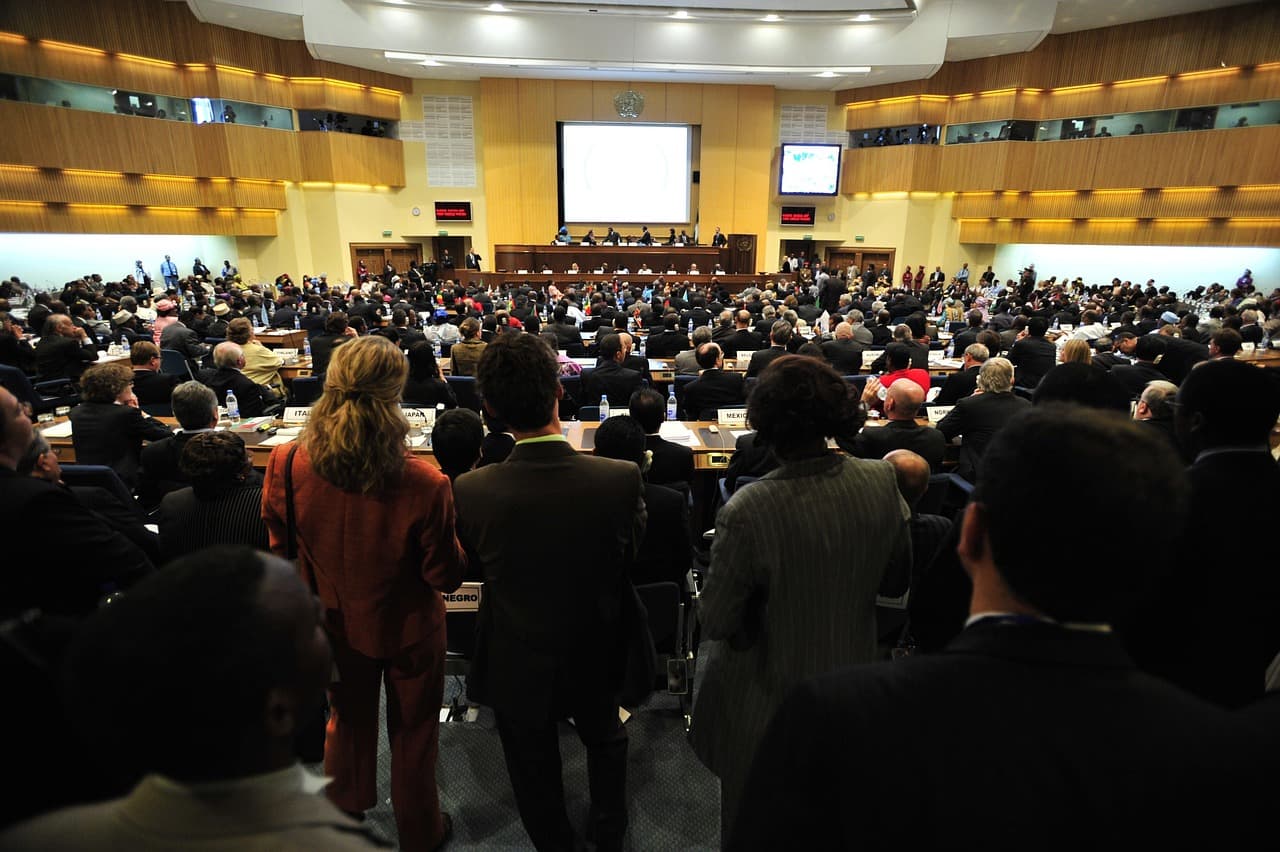
European Union leaders convened in Dublin for the first summit devoted solely to artificial intelligence, aiming to discuss how the bloc can better compete with the United States and China in AI development and regulation. The event was intended to focus attention on EU strategies for research, market competitiveness and governance of AI technologies.
However, the summit was expected to be overshadowed by political disputes. Analysts warned that discussions would likely be dominated by debates over financial support for Ukraine, disagreements about who speaks for the bloc on the international stage, and horse-trading over the EU-wide budget.
Analysts point to structural shortcomings and fragmented efforts
Observers also noted that the EU’s past efforts on AI have been scattered and have fallen short of their stated objectives. As one leading analyst put it, Europe is “a large economy but clearly far behind the US and China,” and therefore “has no seat at the table.”
That assessment highlights two core challenges: gaps in technological capacity and investment compared with rival powers, and the difficulty of forming coordinated, EU-wide strategies and resources that would enable the bloc to be truly competitive.
Why the Dublin summit matters
The meeting was significant because it signalled a clear intent within the EU to prioritise AI across regulation, research-and-development, and market policy. At the same time, political tensions and budgetary bargaining risked preventing the summit from producing concrete, long-term commitments.
In sum, the Dublin summit represented a potential step forward for EU AI policy, but analysts’ scepticism suggests its success will depend on whether member states can address internal structural weaknesses and political divisions.
Prashant Rao