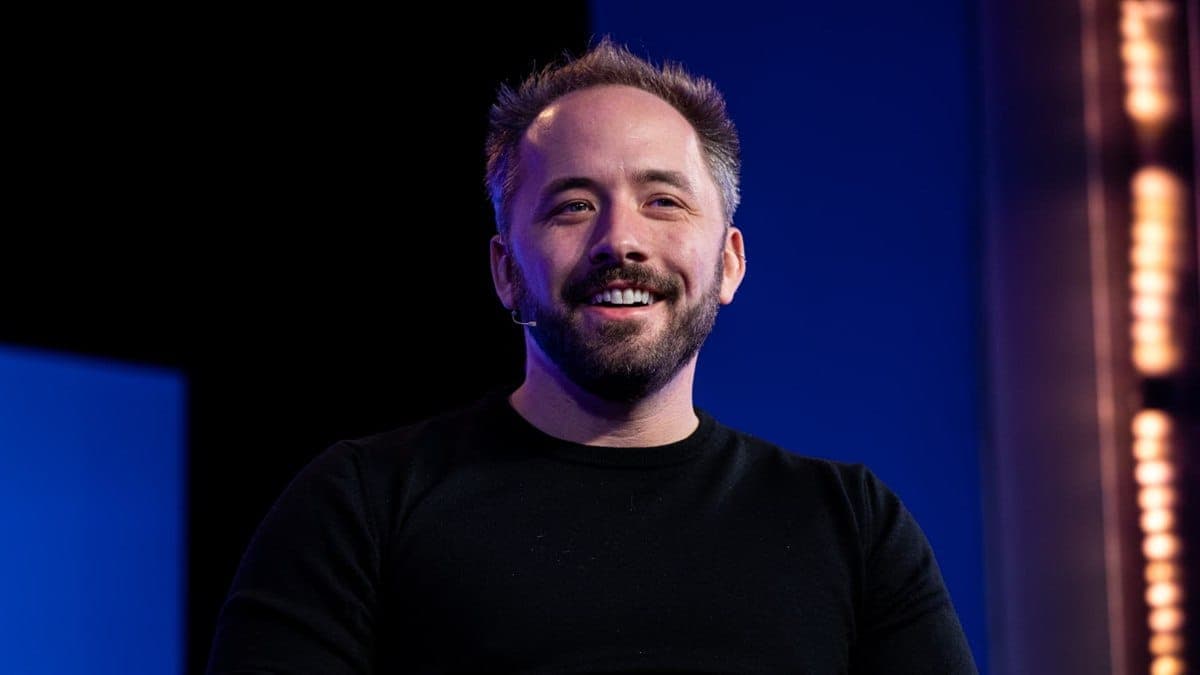
Drew Houston announced he will step down as CEO of Dropbox after 19 years in the role. Product chief Ashraf Alkarmi will succeed him as CEO. In an interview with CNBC, Houston said he does not see a “SaaS apocalypse” and claimed he has never encountered a customer canceling Dropbox because of ChatGPT. At the same time, he revealed that his next chapter will involve building a product in artificial intelligence, but not within Dropbox.
Financial and user context
Dropbox’s current market value is roughly $6 billion — about half of its peak around the 2018 IPO and below its 2014 private valuation of $10 billion. The company’s revenue has been essentially flat for about two years. Dropbox still serves around 18 million paying users, leaving the incoming CEO with a substantial base to manage and a product roadmap that will need direction for the next phase.
What the departure signals
For the past eighteen months, incumbent SaaS vendors have argued that AI is a tailwind rather than a threat. Market prices tell a different story: companies such as Asana, Monday.com, and HubSpot have all fallen more than 60 percent over the past year. Houston’s exit puts a human face on those market moves — the subscription-software category that defined much of the past decade is being re-priced more like legacy infrastructure, and founders are increasingly voting with their feet.
Whoever takes over Dropbox inherits 18 million paying customers and a product roadmap the company’s founder has just decided is not where he will build the next decade of his work. That choice is itself an indicator of how some founders are reallocating effort toward new AI opportunities outside the businesses they created.
Brief takeaway
Houston told reporters that AI isn’t killing SaaS, yet he is leaving to build AI elsewhere. The contrast between his public reassurances and his personal move highlights the divergence between executives’ messages and their actual decisions.