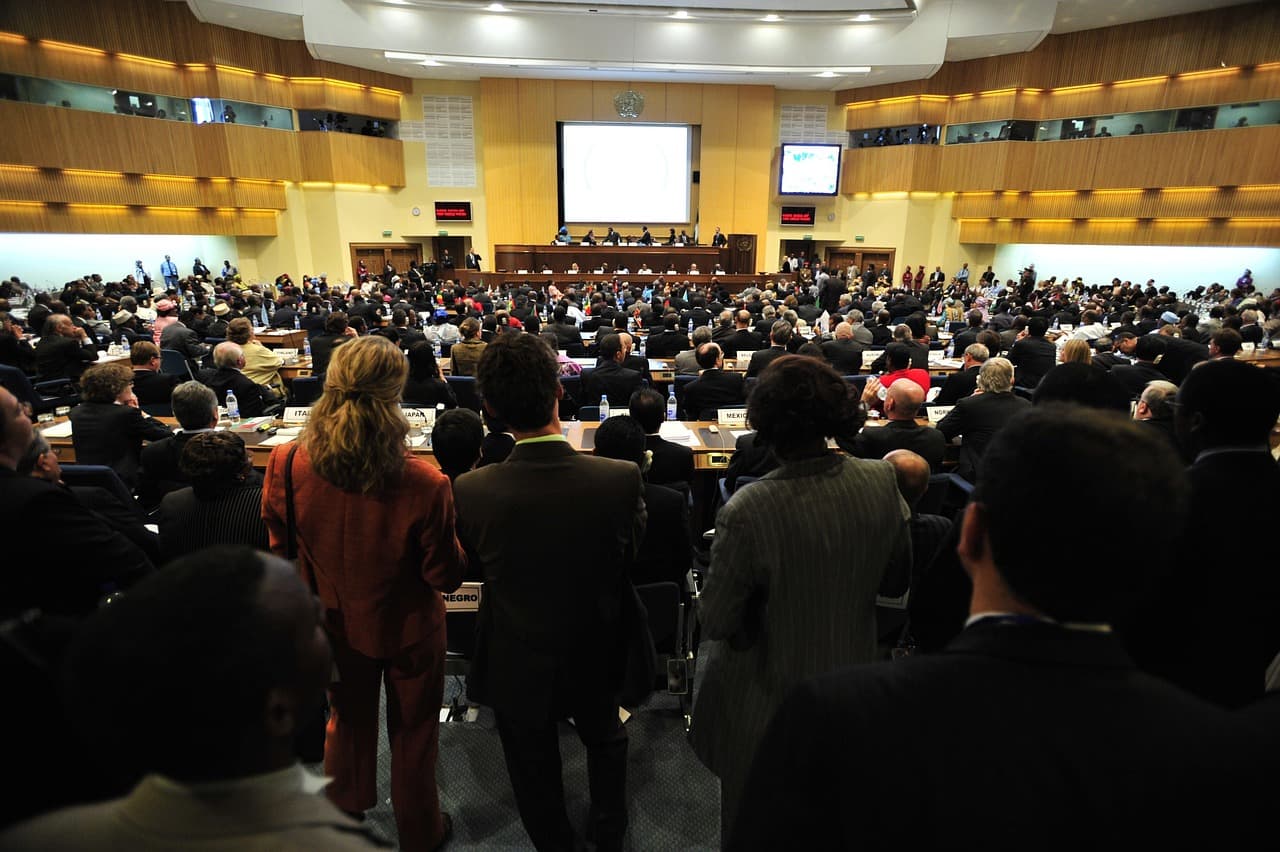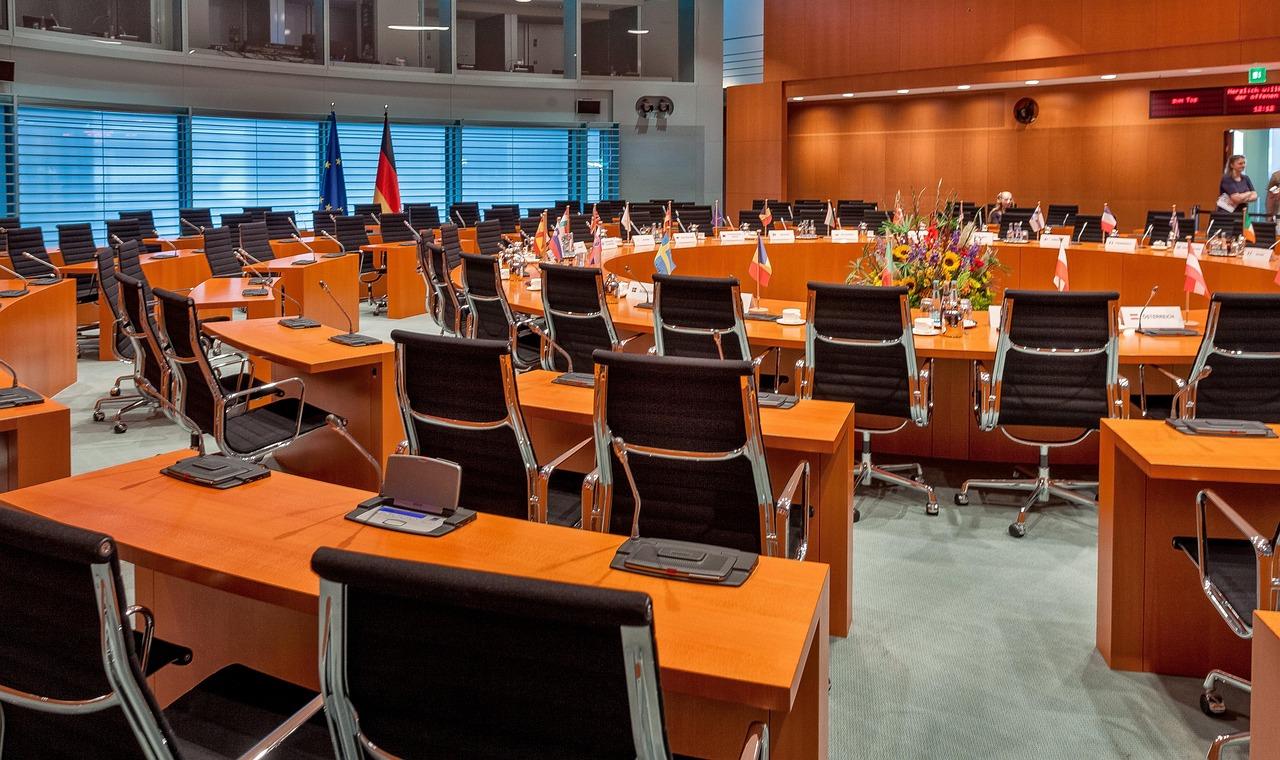
EU heads of state and government meet in Dublin on Friday, officially to hold the bloc’s first summit devoted specifically to artificial intelligence (AI). However, familiar dynamics from past European Council meetings suggest other political crises may dominate discussions. Five issues in particular are likely to shape the summit’s outcome.
1. Artificial intelligence: should Europe fund cutting‑edge models?
António Costa, President of the European Council, has placed technological sovereignty at the centre of the AI debate and urged leaders to consider how Europe can become an independent, leading actor across the full AI value chain. Discussions will cover computing capacity, cloud infrastructure, chip production and AI models.
The central dilemma is whether Europe should develop its own most advanced AI models that can compete with US and Chinese systems, or focus on building applications on top of those systems. Finnish Prime Minister Petteri Orpo and Estonian Prime Minister Kristen Michal argue Europe can compete in top technologies and should not be content with merely applying existing models. The main practical obstacle is financing: leaders will discuss how to fund the computing capacity needed to turn European research into commercially viable products.
Arthur Mensch, CEO of the French AI company Mistral, will speak at the meeting; he has previously criticized proposals that Europe should forgo developing the most advanced AI models. The EU maintains that the AI Act already provides an adequate regulatory framework — the crucial question is whether leaders will back the development of top‑tier European AI models with financial resources.
2. Ukraine peace talks: who will speak for the EU?
One of the summit’s most sensitive debates may be over who should represent the European Union in future Ukrainian peace negotiations. There is no consensus among European officials. US special envoy Steve Witkoff said after a meeting with Russian President Vladimir Putin in Moscow on Thursday that Europeans will be invited to the next round of talks — a long‑standing EU demand.
Ukrainian President Volodymyr Zelensky urged earlier in the week that Europe should appoint a single representative, preferably by the end of the month. António Costa also seeks greater clarity and wants the 27 member states to present a united message. High Representative for Foreign Affairs and Security Policy Kaja Kallas says EU treaties indicate that she and Costa should represent the Union.
France and Germany differ: Emmanuel Macron says Europe should first agree its own proposals and security policy positions, while Friedrich Merz supports the E3 format (Germany, France, United Kingdom) as an established collaboration that can continue. The outstanding question is whether the EU will agree a single representative or continue with multiple, parallel diplomatic channels.
3. Ukraine financing: about €70 billion shortfall
Leaders are expected to address Ukraine’s financial needs: the article reports a shortfall of roughly €70 billion in Kyiv’s budget for next year. Friedrich Merz linked Ukraine funding to negotiations over the EU’s next long‑term budget (2028–2034) in a letter to António Costa, prompting resistance from governments wary of additional financial commitments.
Merz stressed that Germany, as the EU’s largest net contributor, cannot accept that some member states shift the costs of supporting Ukraine and European security onto others. The financing debate is intertwined with questions about Europe’s leverage in any future peace deal: some lawmakers have proposed transferring frozen Russian assets into an EU‑controlled structure, arguing those resources should not be part of an agreement reached without EU participation.
The issue is expected to return at the November 26–27 EU summit; Dublin may be used to narrow positions ahead of those decisions.
4. EU budget (2028–2034): behind‑the‑scenes deals likely, breakthrough unlikely
Although the EU budget for 2028–2034 is not formally on Friday’s Dublin agenda, leaders are likely to discuss it in breaks and bilateral talks. A new negotiating document outlining potential compromises is expected around November 21, ahead of the next European Council.
Dublin is not expected to deliver a breakthrough. Friedrich Merz has already indicated he will hold bilateral meetings, including with Emmanuel Macron. The key question is whether the largest contributors and the governments threatening to block a deal will narrow their differences.
5. European Central Bank: competition for top posts has begun
The summit is also expected to touch on who will succeed Christine Lagarde as President of the European Central Bank (ECB). Emmanuel Macron and Friedrich Merz have already discussed candidates in Dublin and may continue negotiations on Friday. Names most frequently mentioned include Pablo Hernández de Cos, former governor of the Bank of Spain, and Klaas Knot, former head of De Nederlandsche Bank.
The ECB presidency is part of a wider personnel shuffle: Isabel Schnabel (Germany) and Philip R. Lane (Ireland) will also leave the ECB’s Executive Board in 2027. According to two officials briefed on talks, both Paris and Berlin want the post of chief economist at the ECB; one possible deal would see Germany support Hernández de Cos for the presidency in exchange for that key economic role. Spanish Prime Minister Pedro Sánchez and Dutch Prime Minister Rob Jetten back their national candidates but will not attend the Dublin meeting due to domestic commitments. A final agreement could be reached at the November 26–27 summit; Dublin’s role may be to kick‑start the reciprocal support talks ahead of that decision.
Conclusion
Although the Dublin summit is billed as a strategic discussion on AI, five politically charged issues — Europe’s AI strategy and its funding, who represents the EU in Ukraine peace negotiations, how to fill an estimated €70 billion gap in Ukraine’s budget, the 2028–2034 EU budget talks, and the contest over senior ECB posts — threaten to dominate. The outcome will determine how united and decisive the EU appears ahead of the end‑of‑November decisions.