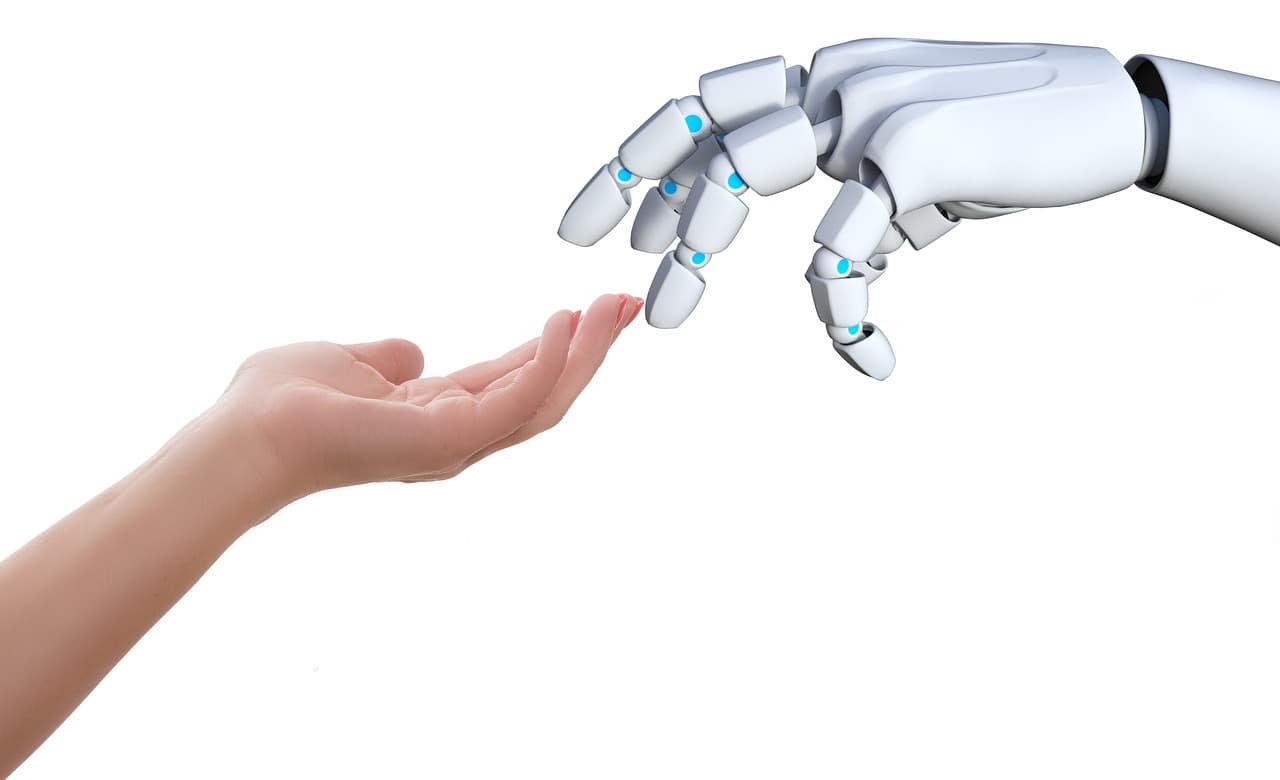
The spread of artificial intelligence is set to transform the global economy on a scale comparable to the Industrial Revolution, but at a much faster pace. Early industrialisation provoked social resistance—illustrated by the 1811 Luddite movement—but ultimately changed production and work organization fundamentally. Today similar anxieties are emerging: where steam engines automated physical labour in the past, AI is now automating parts of intellectual and creative work.
The current limits of AI: physical resources
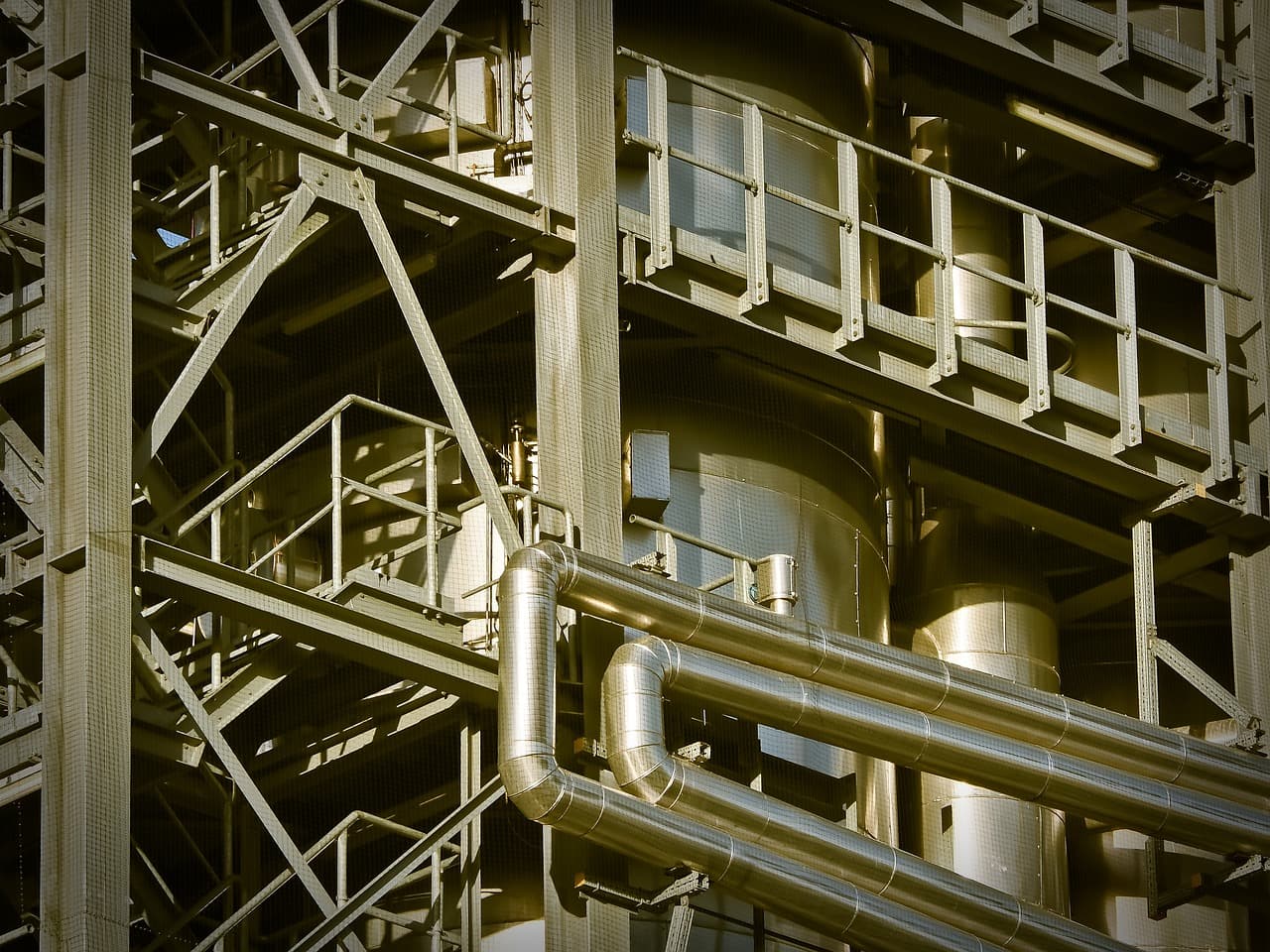
The main constraints on AI deployment today are less about algorithms and more about physical resources: electricity, water and resilient infrastructure.
-
Energy: electricity is the fuel of the AI era. Even as AI systems become more efficient, lower unit costs and expanding commercial use mean overall energy demand rises. Deployment speed also differs: an individual data centre can be built in roughly 18 months, while expanding transmission infrastructure can take as long as ten years.
-
Water: less frequently discussed but equally critical, water can become a hard limit for AI infrastructure. Many new data centres require substantial cooling and operational water supplies, so a site’s viability depends not only on power availability but also on local water capacity. Countries with favorable water endowments and efficient water management may gain a comparative advantage.
-
Infrastructure and resilience: in the AI era advantage will accrue not necessarily to those who deploy models fastest but to those who build adequate, resilient and efficient underlying infrastructure. Shortfalls in power, water or network capacity can lead to overloads, service disruptions and trust crises.
Projected economic and social effects by 2050
The article projects that by 2050 AI and digitalisation will reshape productivity and the nature of resource constraints. Key anticipated changes include:
- Productivity leap: AI could help enable the wider adoption of a four-day workweek.
- Economic structure: around 40% of occupations may be affected by AI, though in many cases the technology will augment rather than fully replace human labour.
- Geopolitics and AI sovereignty: infrastructure and technological autonomy will move to the centre of geopolitical competition.
If infrastructure, regulation and workforce adaptation lag behind technological progress, social resistance, network overloads and loss of trust could follow. Conversely, coordinated advancement of these elements could unlock substantial welfare and creative potential from AI.
Corporate approaches and local actors
The piece references Kyndryl’s offerings: the Kyndryl Agentic Service Management approach and the Kyndryl Agentic AI Framework are presented as tools to help companies move pilot AI projects into stable, scalable operations. The article names Tóth András, Country Managing Director, Kyndryl Hungary.
Why this matters
Over the coming decades the AI transition will be as much about securing energy, water and infrastructure as it is about algorithms. States and firms that invest early in resilient supply and governance frameworks will be better positioned to reap economic and geopolitical benefits.