The European Union and Canada will announce an expanded strategic partnership at a summit in Montreal at the end of October, covering topics from removing digital trade barriers and joint support for Ukraine to coordinated responses to wildfires and other shared priorities.
A draft joint declaration obtained by Politico and circulated among EU ambassadors ahead of the meeting lays out plans for closer, more integrated ties. The document highlights the parties’ privileged market access, shared values and complementary economic strengths. The summit is due to begin on October 29, according to the preparatory materials.
The rapprochement is explicitly framed as a response to trade pressure from the United States under President Donald Trump: both Brussels and Ottawa want to strengthen strategic ties to offset Washington’s measures. Ursula von der Leyen, President of the European Commission, raised the possibility in a Strasbourg speech that Canada could join the EU as an associate partner; the draft says that Washington immediately warned of tariff increases in reaction.
Critical raw materials, supply chains and energy cooperation
The draft says the partners will accelerate investments in critical raw materials, bolster supply chains and use strategic stockpiling to reduce the effects of market volatility and geopolitical tensions.
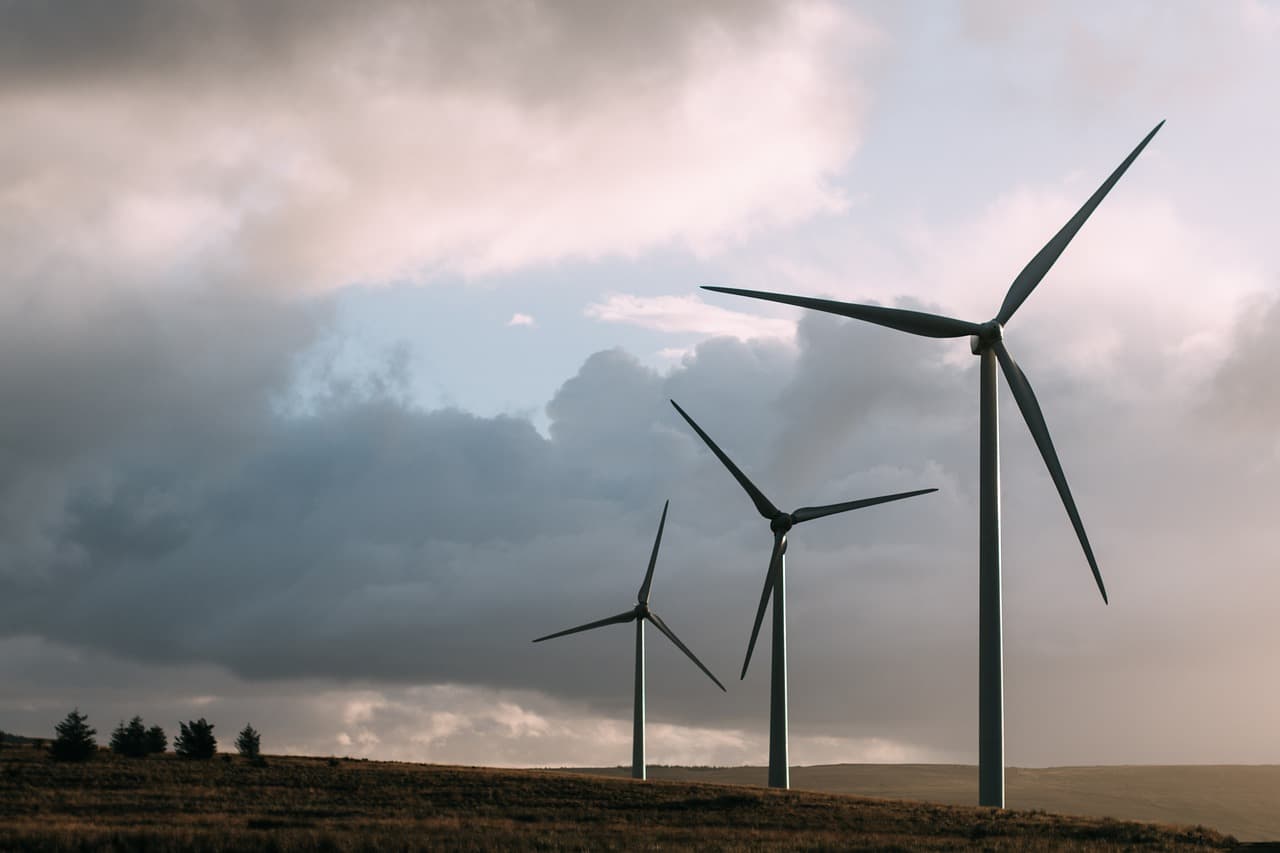
Energy cooperation is broad, ranging from liquefied natural gas (LNG) to hydro, solar and wind power, as well as nuclear energy. The declaration emphasizes developing low‑carbon, reliable energy sources that are in strong demand across much of the world.
Defence, firefighting capacity and technology collaboration
One concrete announcement planned for the summit is a joint purchase of 50 De Havilland firefighting aircraft, which the partners aim to put into service by 2030 to combat European and Canadian wildfires.
In her September 15 state‑of‑the‑union address, Ursula von der Leyen outlined pillars of the cooperation: creating a technology alliance, integrating defence industrial bases, turning the Arctic into a joint flagship project, and stepping up cooperation on artificial intelligence, quantum technologies, cybersecurity and economic security.
Why this matters
The agreement marks a re‑positioning of transatlantic relations: a closer EU–Canada partnership is intended both as a response to trade tensions and as a way to increase strategic autonomy on technology, energy and defence issues. Joint procurements, strengthened supply‑chain resilience and energy diversification are concrete measures likely to affect European energy supplies and international trade flows in the short and medium term.
The draft declaration circulated among EU ambassadors will be formalized at the Montreal summit. Note: this article was prepared with the assistance of an AI tool; the final text was edited and verified by our journalist.