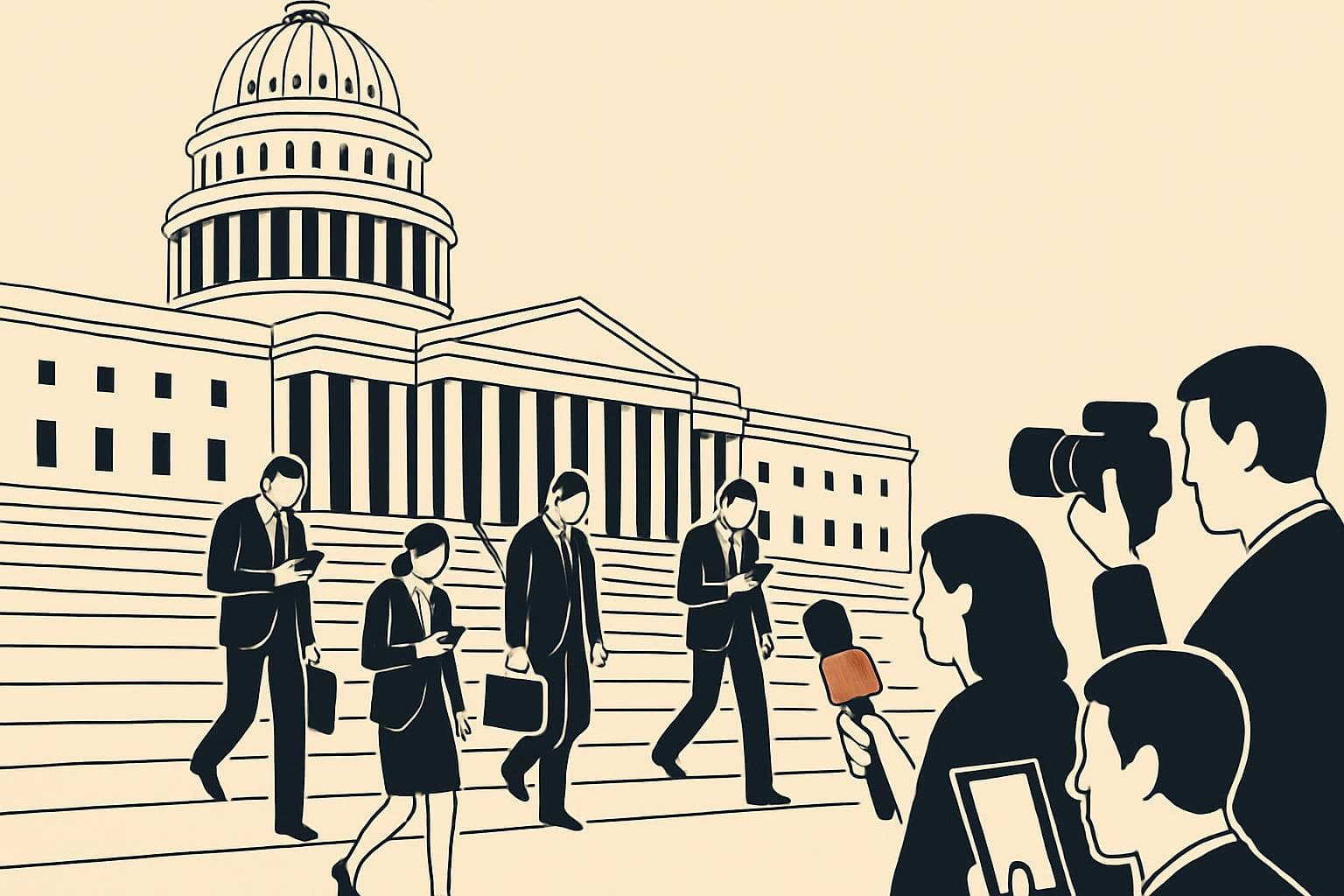
EU lawmakers have reached a provisional agreement under the so‑called “Omnibus VII” legislative package, which aims to simplify the bloc’s digital regulatory framework and make the practical application of harmonised artificial intelligence (AI) rules smoother.
Marilena Raouna, Cyprus’s Deputy Minister for European Affairs, said the agreement will provide substantial support for European companies adapting to the legal framework.
Deadlines and technical standards
A key element of the changes is postponing the application of rules for high‑risk AI systems to allow time for preparation of necessary technical standards and supporting tools. The revised deadlines are:
- 2 December 2027: application of rules for AI systems used in high‑risk areas such as biometric systems, critical infrastructure, education, employment, law enforcement and border management.
- 2 August 2028: entry into force of requirements for AI systems that function as safety components and fall under sectoral EU legislation.
At the same time, the watermarking obligations for AI‑generated content have been adjusted: companies must comply with these requirements by 2 December 2026, an earlier timetable than the European Commission’s original proposal.
Ban on generating intimate or sexual content without consent, including 'nudifier' apps
One of the strictest innovations in the agreement is an EU ban on AI systems that create intimate or sexual content of identifiable persons without their consent, as well as on systems that generate material depicting sexual abuse of children.
The ban explicitly covers so‑called “nudifier” applications—AI tools capable of producing fake nude images of real people.
The regulation prohibits:
- placing such systems on the EU market;
- marketing them without appropriate security measures;
- and using them to produce prohibited content.
The restriction applies to images, video and audio. Companies will need to meet the new requirements by 2 December 2026.
Personal data and correcting algorithmic bias
The agreement also permits processing personal data where strictly necessary to detect and correct algorithmic biases, provided appropriate safeguards are in place.
Next steps and background
The provisional deal still requires formal approval from the European Parliament and the Council of the European Union.
EU leaders had already pushed for regulatory simplification in autumn 2024, notably to bolster European competitiveness. Since 2025, the European Commission has tabled several “Omnibus” packages aimed at lowering administrative burdens and supporting European businesses during the digital transition.
The project was implemented with partial EU co‑funding under the European Parliament’s communication support programme; the European Parliament did not participate in the project’s preparation and disclaims responsibility for information or positions published under the project.
Why this matters
The agreement seeks to curb technological harms—such as deepfake and “nudifier” applications that can damage individuals’ dignity—while giving companies and authorities more time to prepare technical standards for high‑risk AI deployments. Final details and formal adoption, however, remain pending.