A federal judge in Tulsa, Oklahoma has ruled that a sheriff’s deputy violated a woman’s Fourth Amendment rights by querying the Flock Safety license-plate database for her vehicle without obtaining a warrant.
According to reporting by 404 Media, the ruling does not create a binding precedent, but it is among the first instances in which a federal judge has declared a Flock search unconstitutional.
Case facts
Judge Sara Hill determined that the deputy should have secured a warrant before searching the Flock database because he had "no apparent reason" for the search "other than the fact that [the woman’s vehicle] had a California license plate." The deputy then used the travel history from Flock as part of the justification to search the woman’s car, where he allegedly found 91 pounds of methamphetamine.
Judge Hill wrote that all evidence obtained after the Flock search "must be suppressed as the fruit of a poisonous tree."
Broader constitutional concerns
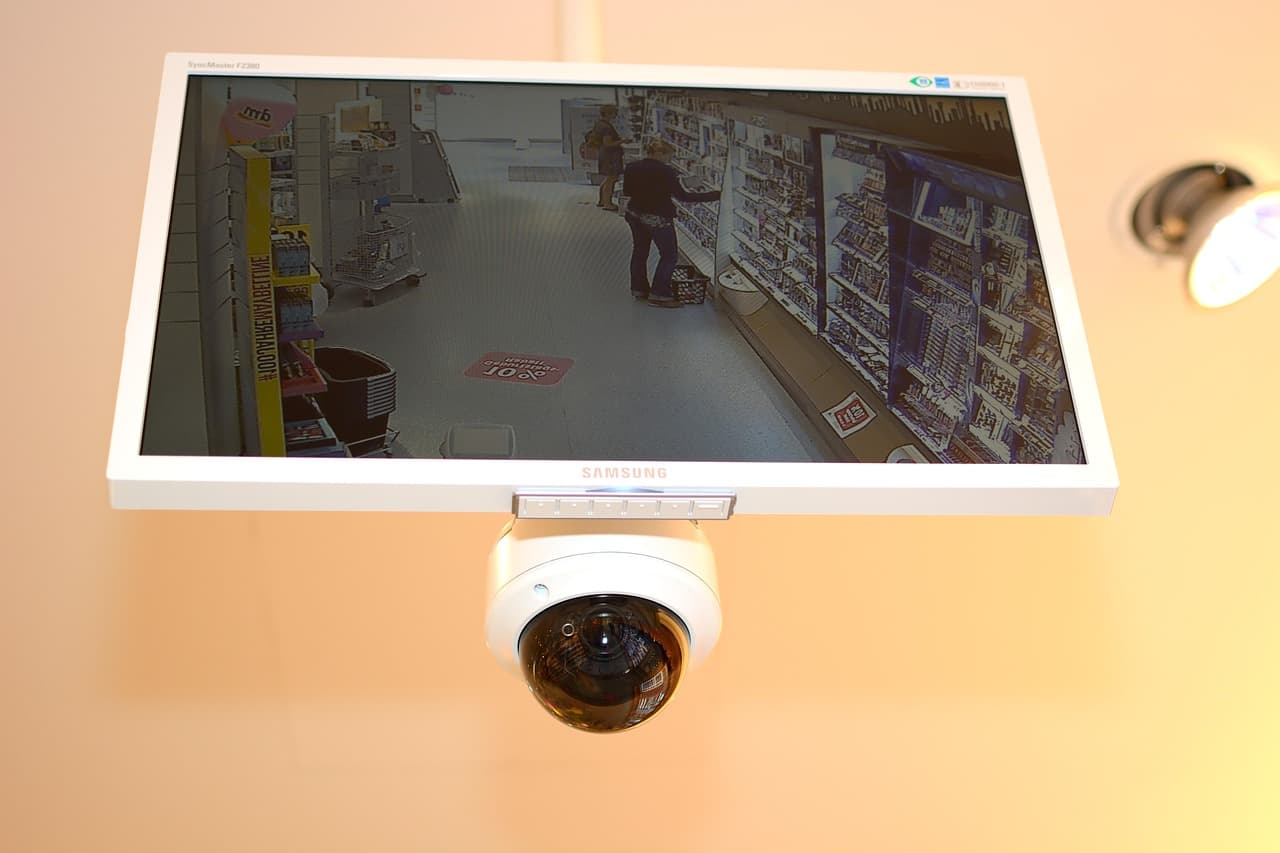
Hill also criticized warrantless, bulk searches of the Flock database, noting that tracking people’s locations — even in public spaces — becomes constitutionally problematic when law enforcement can indiscriminately and passively catalog an individual’s whereabouts over an extended period and then use that information for any purpose at will.
"This is a type of indiscriminate mass surveillance," Hill wrote. "It is not targeted on a single individual, as in Carpenter v. United States. It is a tool that collects information about all vehicles that pass by any network-connected camera at all times, and it serves up the information to law enforcement on demand."
Political and industry fallout
The decision comes amid growing scrutiny of Flock Safety and similar automated license-plate reader technologies. Several local and state governments, including Florida and Texas, have said they will stop using the technology. On Friday, Senator Bernie Sanders introduced the Block Flock Act, which would bar federal agencies from using automated license-plate readers such as Flock.
Flock CEO Garrett Langley — who is scheduled for an on-stage interview at TechCrunch Disrupt — has advocated for a "compromise" between privacy and safety and apologized to women who have been stalked by law enforcement officers using the Flock system. Facing contract cancellations and criticism, Flock has reportedly offered voluntary employee buyouts as a means to reduce its workforce.
Conclusion
The federal judge’s ruling highlights tensions between law enforcement tools and privacy protections. While automated license-plate readers can be an effective investigative resource, Hill’s decision emphasizes that, without judicial oversight, such systems risk becoming mechanisms of mass, non‑targeted surveillance and that evidence derived from warrantless use may be subject to suppression.
(This article summarizes reporting from 404 Media and publicly available information.)