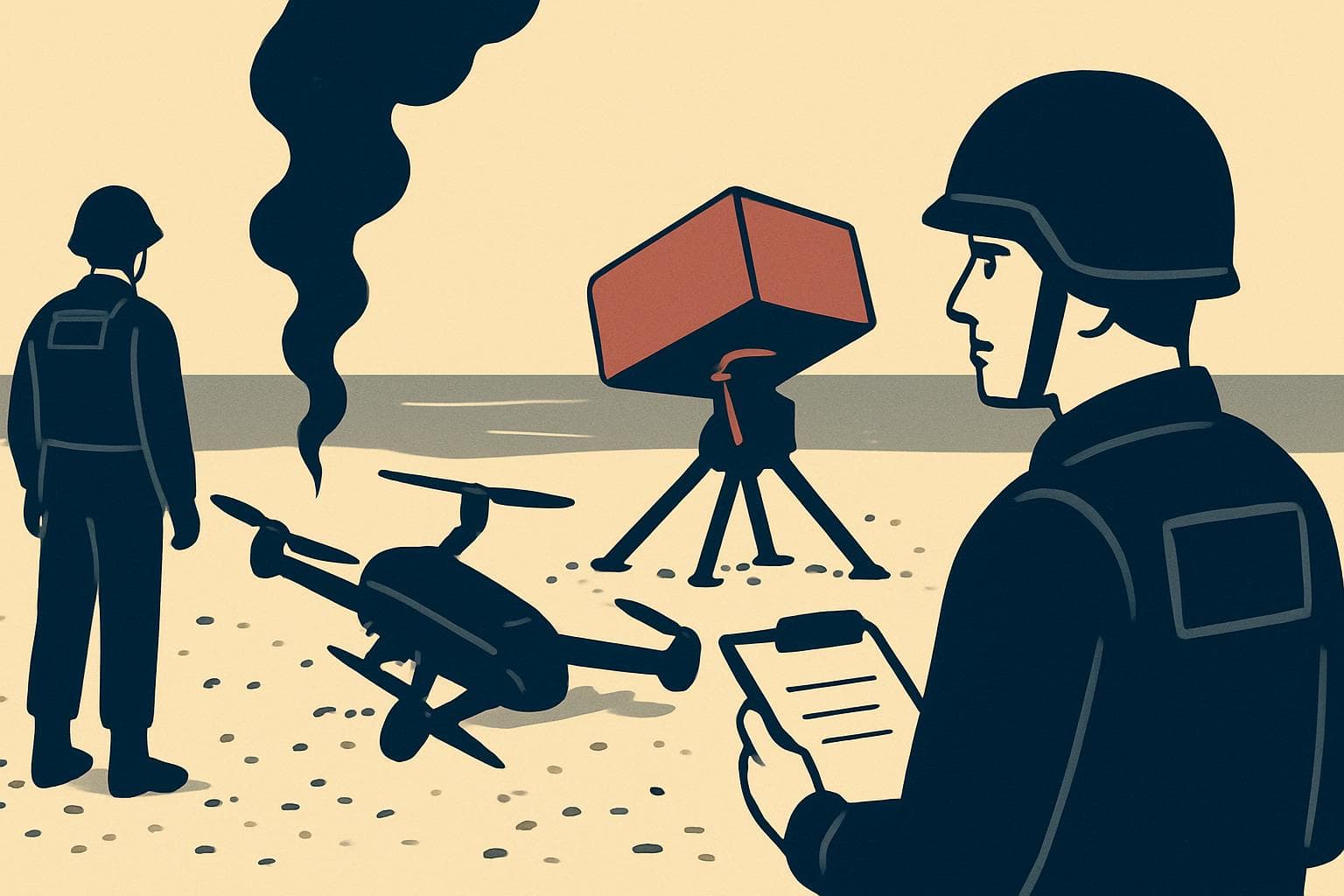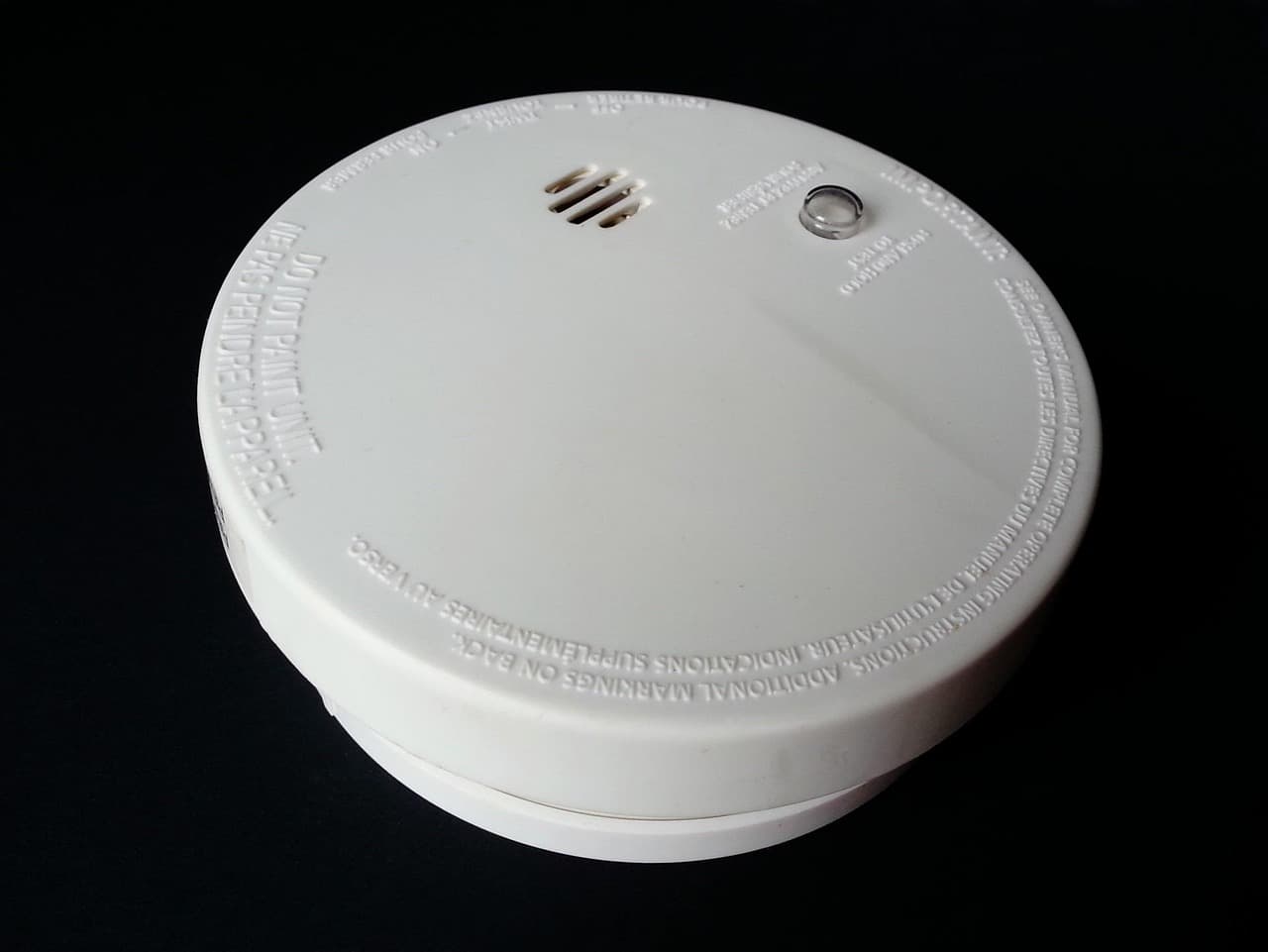
Belarusian developers showcased an acoustic drone detection system called Scanner 2.1 at a defence exhibition, a move the outlet Defense Express linked to lessons learned from the conflict in Ukraine.
According to the presentation, Scanner 2.1 is intended to complement radio-frequency and electromagnetic sensors by detecting drones via their acoustic signatures. The manufacturer’s director, Vitalij Batrak, stressed that the system can spot drones operating in radio-silent modes. That capability is meant to address cases where low or no RF emissions would render conventional detectors less effective.
Performance and capabilities
- Detection range for internal-combustion-engine drones: approximately 2,000 metres
- Detection range for smaller FPV drones: around 350 metres
- The system was specifically said to be able to detect Ukrainian "Vampire" (Russian name Baba Yaga) drones
- Reported outputs include estimated speed and trajectory of detected drones
Physical characteristics and operation
- Weight: 1.2 kg
- Diameter: 23 cm
- Deployment time: under 2 minutes
- Declared autonomous operating time: up to 12 hours
The manufacturer also states Scanner 2.1 uses artificial intelligence to separate relevant acoustic drone signals from extraneous environmental noise, enabling automated detection in noisy settings. That combination of acoustic sensing and AI is intended to provide rapid, portable detection—particularly useful against platforms that emit little or no radio frequency signature.
Context and implications
Acoustic sensors have already been used in Ukraine, where such tools have been applied not only to drones but also for detection tasks related to some cruise missiles. The Belarusian demonstration suggests Minsk — one of Vladimir Putin’s closest allies — is seeking to expand its reconnaissance capabilities by adopting field-proven approaches observed in the Ukrainian theatre.
The public demonstration does not in itself confirm mass production or operational deployment; the specifications and claims summarized here come from the manufacturer’s presentation and media reporting. Nonetheless, the Scanner 2.1 indicates active work within the Belarusian defence industry on acoustic and AI-assisted sensing systems.