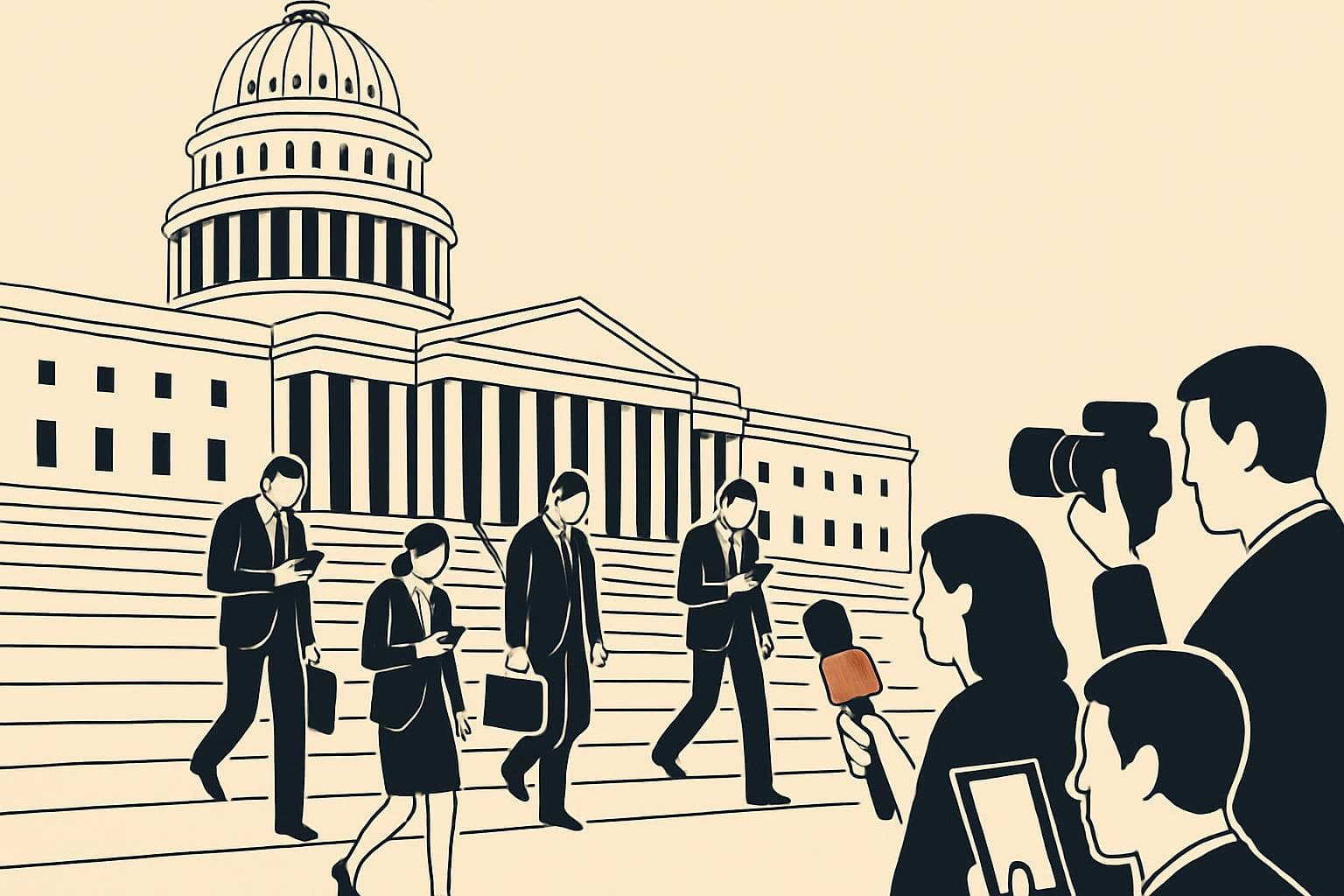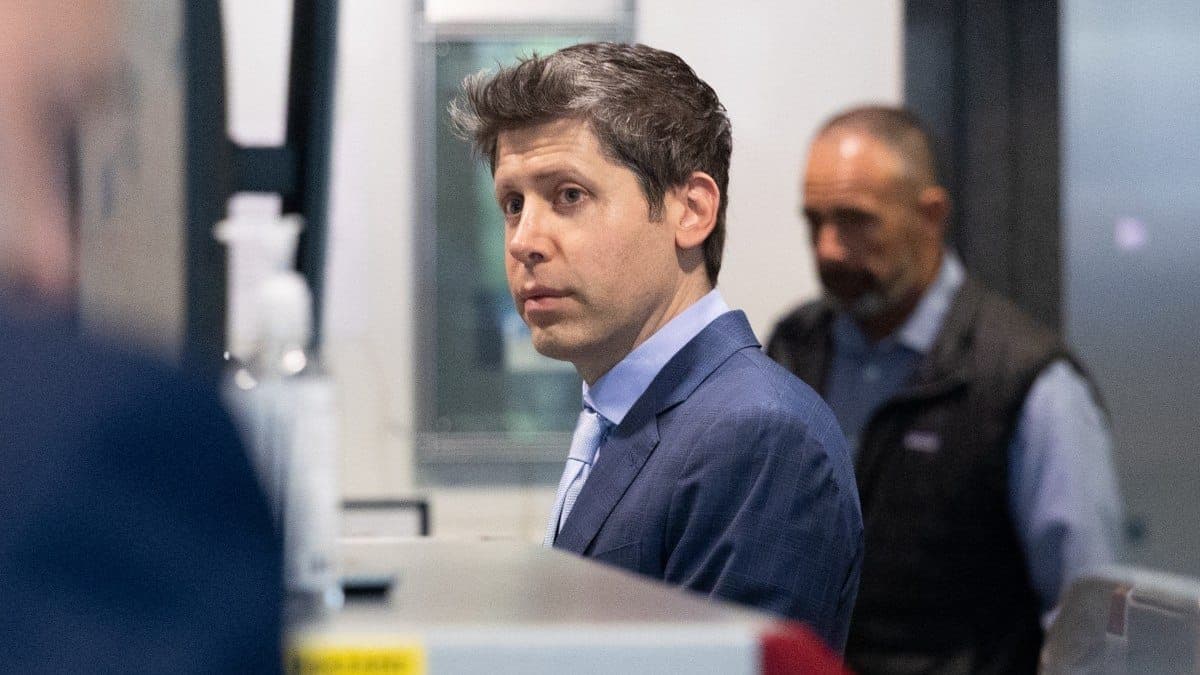
Florida has filed the first state lawsuit against OpenAI and has named the company's CEO, Sam Altman, as an individual defendant. The complaint alleges that OpenAI misrepresented the safety of ChatGPT and links the product to several harms, including a 2025 Florida State University shooting, guidance that encouraged self-harm, and addictive use among minors.
What the complaint claims
According to the filing, Attorney General James Uthmeier said Altman was "very central" to pushing the features that the suit identifies as most harmful. The state is seeking billions of dollars in damages and is asking the court to issue orders governing how ChatGPT handles young users.
Why this matters
The lawsuit challenges a long-standing industry position that platforms are neutral conduits and that responsibility for misuse lies primarily with users. By naming Sam Altman personally, Florida is testing whether company leaders can be held individually accountable for product design decisions that regulators say led to harm. If courts accept that framing, it could weaken the defense that companies merely build tools and are not personally liable for what their models say or do.
Possible implications
If the lawsuit advances, it could set a precedent making it easier to pursue company executives personally over harms tied to AI products. The immediate legal consequences will depend on how the case proceeds and on judicial rulings; at present, the state has clearly stated it seeks substantial monetary damages and court-ordered rules on how AI systems should treat minors.
Observers will watch the case closely for its potential impact on AI regulation and corporate liability, as it raises central questions about how traditional legal distinctions between founders' gains and corporate responsibility apply in a context where automated systems can directly affect users' safety and behavior.