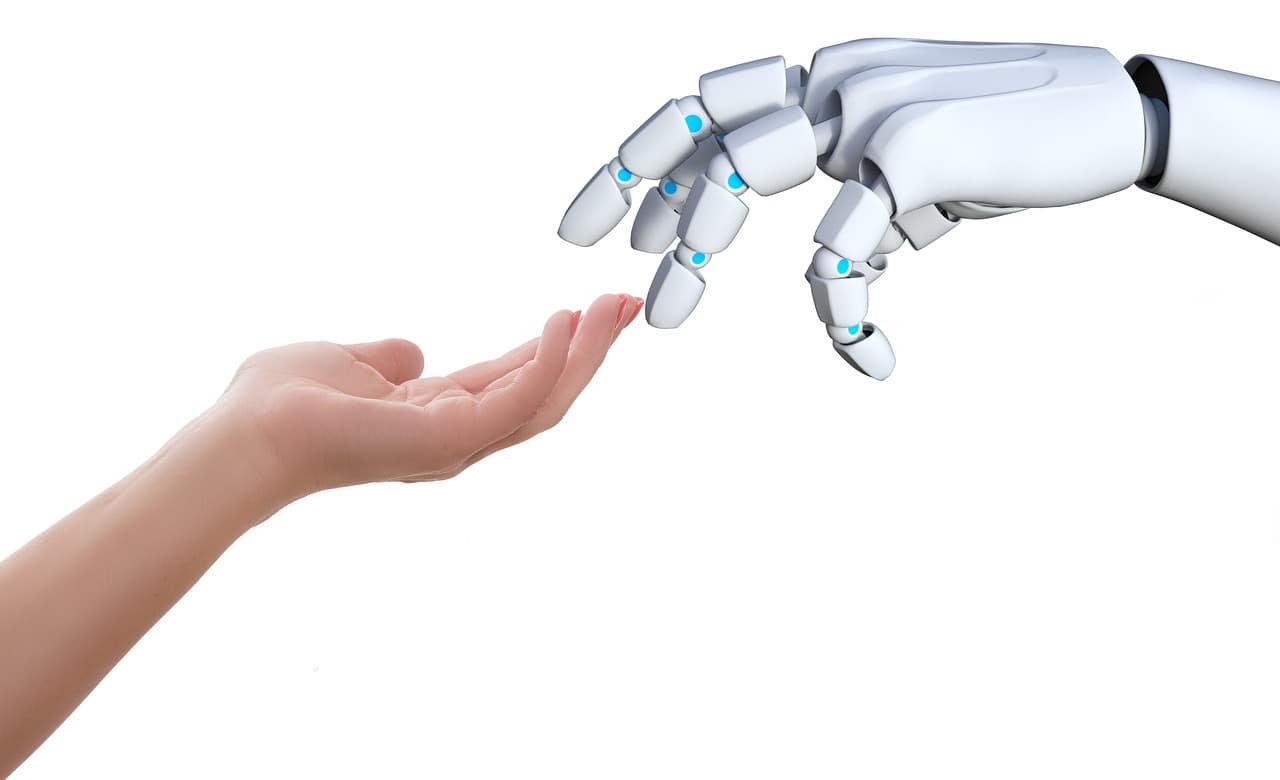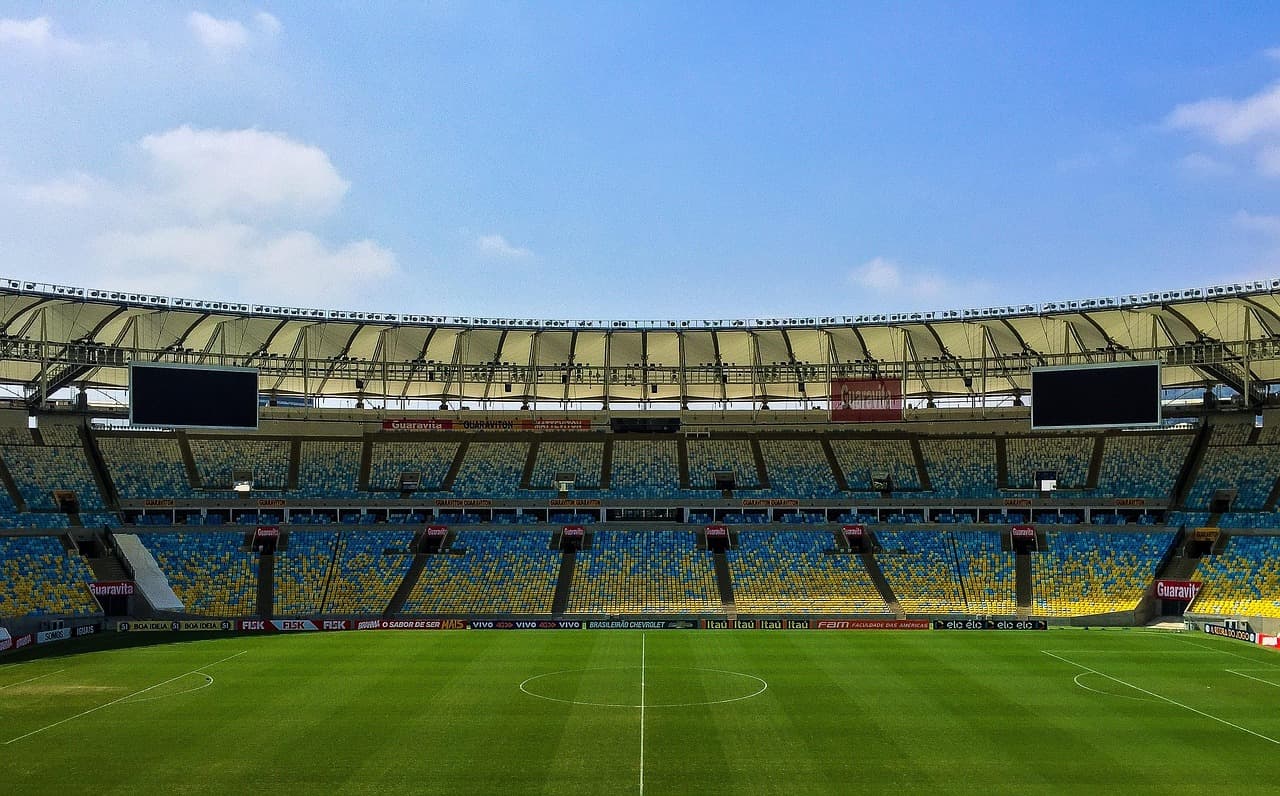
In March, Google signed an agreement with the Argentine Football Association making Gemini the main global sponsor of the defending champions at this World Cup. Under the deal, the Gemini logo will appear on Argentina’s training kit, and players and coaching staff will use the system to analyze plays, scout opponents, and process statistics.
Additional deals and product integration
Google also closed agreements with Brazil and France. The company is reshaping Search to act as a real-time companion for fans: during matches it will answer queries and generate memes and songs on the fly.
Why this matters: the World Cup as a tech showcase
Historically, the World Cup has been a proving ground for new technologies — color television, GPS-based tracking, and the Video Assistant Referee (VAR) all reached mainstream use on this stage. Google aims to position AI and the Gemini brand similarly at the center of the event. The main difference now is exposure: earlier innovations often operated behind the scenes, whereas Gemini’s brand will be visible on players’ kits and directly invoked by fans.
Risks under live, real-time scrutiny
Real-time, public use creates greater visibility. A single incorrect lineup or a hallucinated statistic can become a widely seen AI error at one of the world’s most-watched events. Although Google’s deals with the last three champions (Argentina, Brazil, France) reduce the chance of being absent from the podium, those partnerships do not insulate the model from making mistakes.
Brief takeaway
Where VAR had a narrow task — to adjudicate offsides — Gemini must withstand billions of fans fact-checking it in real time. That exposure effectively turns the World Cup into a large-scale stress test for the AI, a test Google has chosen to take by paying for sponsorship.