Last November Valve unexpectedly expanded its hardware lineup beyond the Steam Deck with several new products: a redesigned Steam Controller, a wireless VR headset called Steam Frame, and a hybrid mini‑PC console named Steam Machine. The Steam Machine attracted the most attention, in part because Valve had attempted a Steam Machine concept before and failed.
Over the past decade market conditions shifted: compact gaming PCs became more popular, the current console generation is aging, and some users have been seeking a living‑room device that can play their Steam library. Those trends initially seemed to create a favorable environment for Valve’s second attempt at a minipc‑console hybrid.
Pricing and options
Valve published retail prices in a Monday update. The Steam Machine is available in two storage configurations — 512 GB and 2 TB — each purchasable with or without the Steam Controller. The 512 GB model is priced at €1,039 (about 366,000 HUF), the 2 TB model at €1,359 (roughly 479,000 HUF). The controller adds €69 (around 24,000 HUF) to either configuration, so a unit with a controller and significant storage can easily top 500,000 forints.
Valve had previously said it aimed for an affordable machine that could compete with similarly performing home‑built PCs. Industry analysts at the time offered a wide range of price expectations — some suggested around $400 would be ideal, others predicted base models in the $700–$1,000 range. Valve executives also emphasized they would not sell the hardware at a planned loss as some console makers do.
What changed — the “RAMageddon”
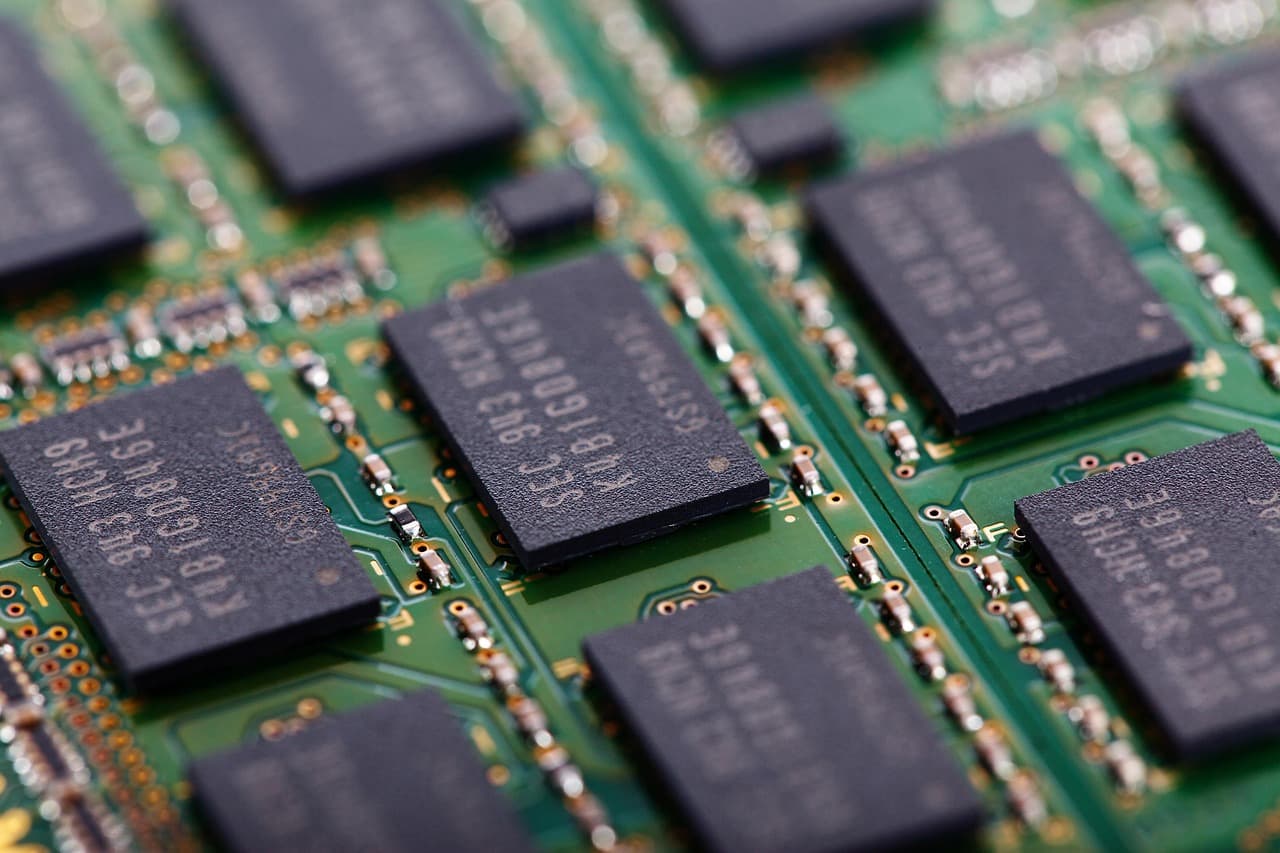
A key reason the Steam Machine ended up so expensive is that component prices, especially memory, jumped sharply in recent months. According to the reporting, a 2×16 GB DDR5 kit now costs more than three times what it did a year ago. The driving force is demand from artificial intelligence workloads: training and running large language models requires vast amounts of RAM and other hardware in data centers, and the AI sector is willing to pay higher prices than the consumer market.
A similar dynamic affects GPUs: major manufacturers, particularly Nvidia, are shifting capacity toward AI accelerators, reducing the supply focus on gamer‑oriented cards. For the Steam Machine the GPU is supplied by AMD rather than Nvidia, so that change did not directly determine its graphics component, but the broader memory and storage price rises were unavoidable cost drivers.
Performance and competitiveness
Tests indicate the Steam Machine delivers entry‑level mini‑PC performance. Gamers Nexus found it comparable to systems equipped with one or two‑generation‑older GPUs; Linus Tech Tips reported the Steam Machine performs worse than both the PS5 Pro and the original PS5. That means for pure gaming purposes many current PlayStation models offer a better price‑to‑performance ratio, and they include a controller and at least 1 TB storage out of the box.
The Steam Machine runs a Linux‑based OS, which also limits compatibility with some online titles that require Windows‑tied anti‑cheat software.
Market reaction and Valve’s explanation
Some reviewers say the Steam Machine is realistically priced given today’s market: custom software, a bespoke chassis and specially matched components add cost. Others pointed out that you can build a better‑performing desktop PC for similar or lower money, even if it won’t be as small or quiet.
Valve’s staff told Gamers Nexus and PC Gamer that on the memory market the company is a small buyer without long‑term supply contracts: suppliers tell Valve monthly how much memory they can buy at what price, and deals are effectively take‑it‑or‑leave‑it. That procurement reality forced hard choices during development.
What Valve gave users in return
Alongside the Steam Machine launch Valve announced that SteamOS can now be installed by anyone on a PC with an AMD GPU. That lets users deploy Valve’s software stack on their own hardware, an option likely to appeal to gamers frustrated with Windows. It also offers a partial alternative for those deterred by the Steam Machine’s current price.
In sum, the Steam Machine’s launch highlights how rising component costs driven by AI demand have pushed a carefully engineered, compact PC into a price bracket where consoles and conventional desktops become more attractive options for most buyers.